Cryptorhopalum apicale
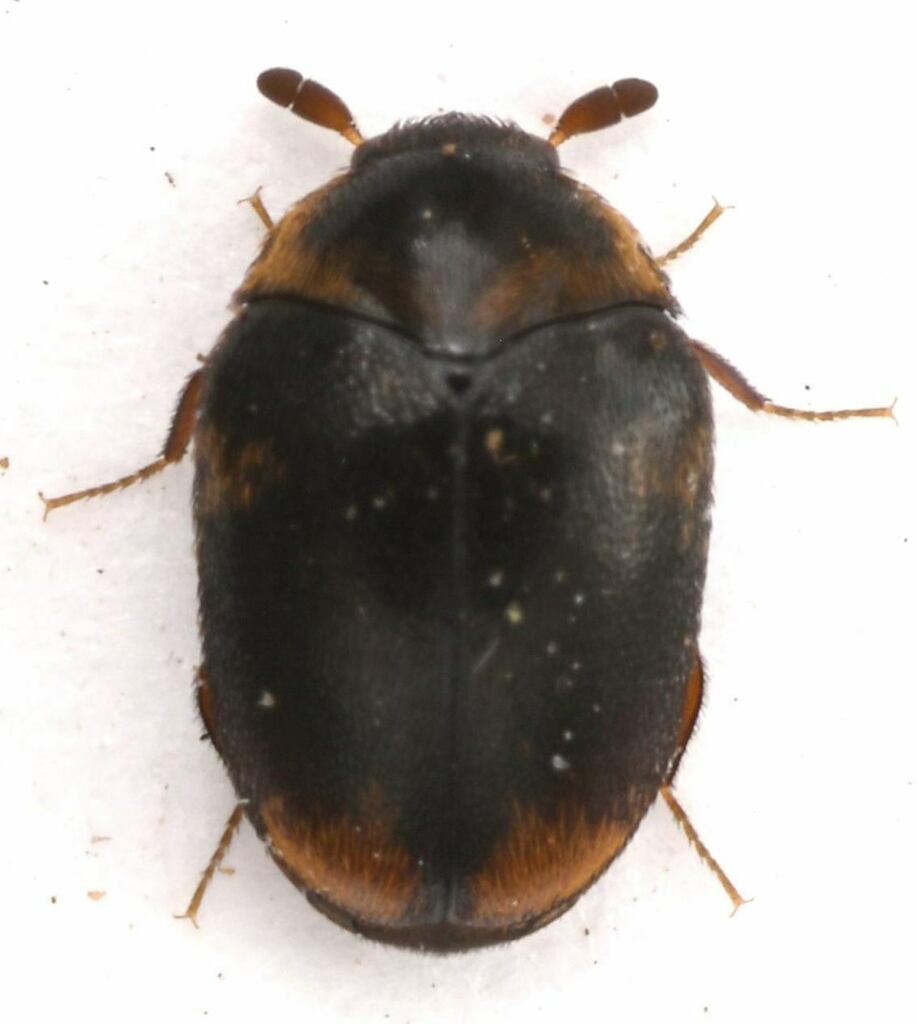
no rights reserved · CC0
Family: Dermestidae · Class: Insecta · Order: Coleoptera
Cryptorhopalum apicale is a California animal in the Dermestidae family.
Cryptorhopalum apicale is a small beetle in the family Dermestidae, commonly known as carpet beetles or skin beetles. Members of this family typically measure 1-12 mm in length and are characterized by their oval-shaped bodies and clubbed antennae. The genus Cryptorhopalum contains several species that are often associated with stored products and natural organic materials. The distribution and range of C. apicale in California remains poorly documented in the scientific literature. According to NatureServe records, this species has been catalogued in their database, though specific locality data and range maps are not readily available in published sources. The species appears in U.S. Fish and Wildlife Service taxonomic databases, indicating its presence within areas of federal interest, though no specific conservation status has been assigned. Habitat requirements for C. apicale have not been well documented in available scientific literature. Most dermestid beetles occupy diverse environments ranging from natural settings where they feed on dead organic matter to human-associated environments where they consume stored products, fabrics, and museum specimens. Some species in the genus are found in bird nests, mammal dens, or other locations with accumulated organic debris. Without specific ecological studies, the precise habitat preferences of C. apicale remain unclear. The life cycle and behavioral ecology of C. apicale follows the general dermestid pattern of complete metamorphosis, progressing through egg, larval, pupal, and adult stages. Dermestid larvae are typically more destructive than adults, feeding on keratin-rich materials including hair, feathers, dried insects, and various organic matter. Adults may feed on pollen and nectar when available, though many species have reduced feeding behavior in the adult stage. Seasonal activity patterns and specific host associations for C. apicale have not been documented in accessible literature. No federal or state conservation status has been assigned to C. apicale as of December 2025. The species does not appear on endangered species lists or conservation priority rankings. Like many small invertebrates, population trends and conservation needs are largely unknown due to limited research attention. The primary threats to dermestid beetles generally include habitat destruction and pesticide applications, though species-specific threat assessments for C. apicale are not available. Scientific documentation for this species remains extremely limited despite thorough literature searches. The information presented here synthesizes available data from NatureServe Explorer and federal taxonomic databases. Detailed ecological studies, distribution surveys, and biological assessments are needed to better understand this species' role in California ecosystems. We welcome contributions of verified scientific data, photographs, or field observations to enhance this species account.
Classification
Class: Insecta · Order: Coleoptera · Family: Dermestidae
Frequently asked questions
How is Cryptorhopalum apicale classified?
Cryptorhopalum apicale belongs to class Insecta, order Coleoptera, family Dermestidae.
What family does Cryptorhopalum apicale belong to?
Cryptorhopalum apicale is in the Dermestidae family.
What is Cryptorhopalum apicale?
Cryptorhopalum apicale is a small beetle in the family Dermestidae, commonly known as carpet beetles or skin beetles.
Is Cryptorhopalum apicale found in California?
Yes. Cryptorhopalum apicale is recorded in California in The California Species Project's catalogue.
Related species
Other California species in the same genus, family, or bioregion.
Data from The California Species Project — 14,000+ California species with verified data from CNPS, CDFW, USFWS, and more.