Cucullia antipoda
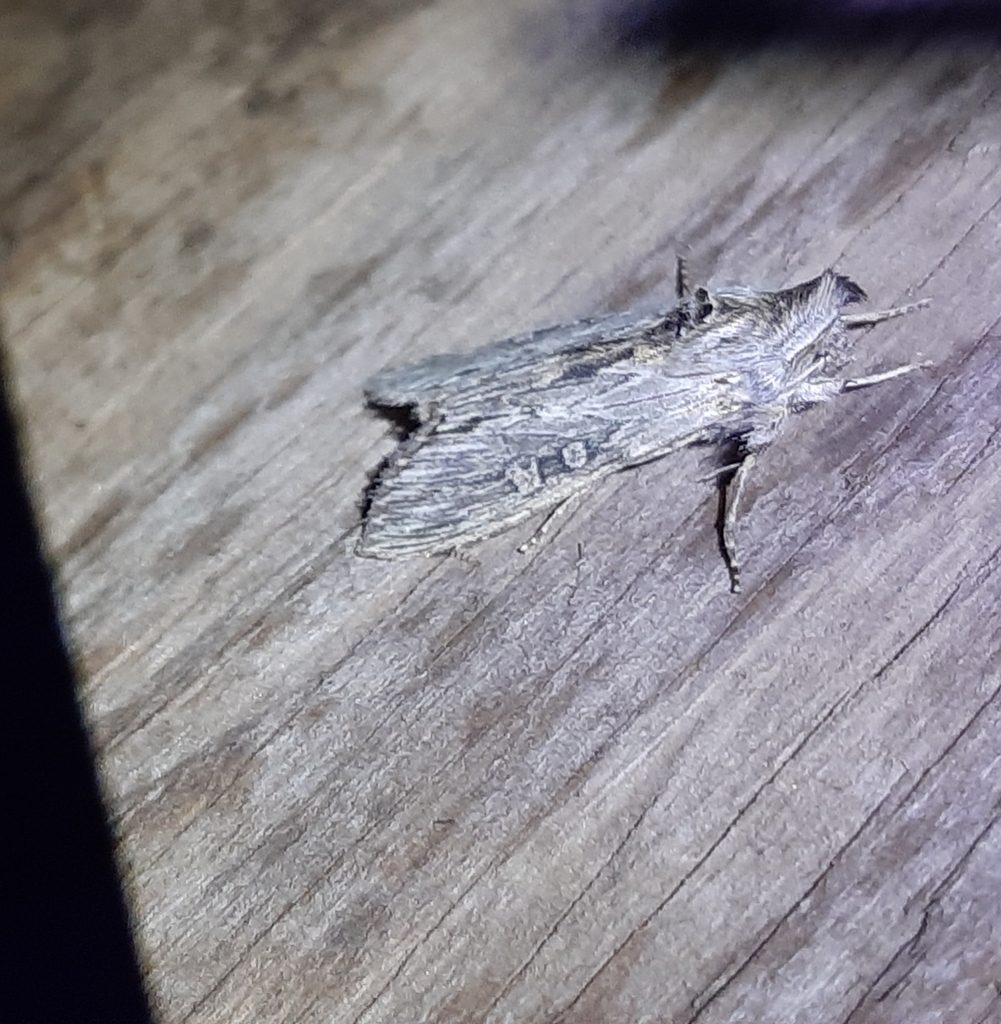
no rights reserved · CC0
Family: Noctuidae · Class: Insecta · Order: Lepidoptera
Cucullia antipoda is a California animal in the Noctuidae family.
Cucullia antipoda is a moth species in the family Noctuidae, subfamily Cuculliinae. This species belongs to the genus Cucullia, commonly known as hooded owlet moths or shark moths, characterized by their distinctive streamlined forewings and cryptic coloration patterns. Adult moths typically display mottled gray and brown forewings with subtle striping patterns that provide effective camouflage against tree bark and other natural surfaces during daytime rest periods. The range and distribution of Cucullia antipoda appear to be limited, though specific locality data for this species remains poorly documented in available literature. The species name 'antipoda' suggests potential biogeographical connections or distinctions, though detailed range information requires further taxonomic verification. Like other members of the genus Cucullia, this species likely occurs in western North America, potentially including California, based on the taxonomic patterns of related species in the group. Habitat preferences for Cucullia antipoda likely follow patterns typical of the genus, with adults frequenting areas supporting their larval host plants. Cucullia species generally inhabit diverse environments ranging from coastal scrublands to montane forests, depending on host plant availability. The larvae typically feed on specific plant families, most commonly Asteraceae (sunflower family), though some species utilize Scrophulariaceae or other plant families. Adult moths are primarily nocturnal and attracted to artificial lights, making them occasionally encountered during nighttime surveys. The life cycle follows the typical lepidopteran pattern, with adults emerging to mate and lay eggs on or near host plants. Larvae develop through several instars, often displaying cryptic coloration that matches their feeding substrates. Many Cucullia species are univoltine, producing one generation per year, with timing synchronized to host plant phenology. Adult flight periods vary by species and location but commonly occur during spring or early summer months when host plants are actively growing. Conservation status information for Cucullia antipoda is currently unavailable, reflecting the limited research attention given to many moth species. The species lacks federal or state listing status, which is common for most invertebrate taxa due to insufficient population and ecological data. Like many moths, this species may face threats from habitat modification, light pollution affecting nocturnal behavior, and climate change impacts on host plant distributions. The taxonomic validity and current status of Cucullia antipoda require verification through systematic lepidopteran surveys and taxonomic review, as species boundaries and distributions within this genus remain incompletely understood. Further research is needed to establish definitive identification characters, host plant relationships, and conservation needs for this species.
Classification
Class: Insecta · Order: Lepidoptera · Family: Noctuidae
Frequently asked questions
How is Cucullia antipoda classified?
Cucullia antipoda belongs to class Insecta, order Lepidoptera, family Noctuidae.
What family does Cucullia antipoda belong to?
Cucullia antipoda is in the Noctuidae family.
What is Cucullia antipoda?
Cucullia antipoda is a moth species in the family Noctuidae, subfamily Cuculliinae.
Is Cucullia antipoda found in California?
Yes. Cucullia antipoda is recorded in California in The California Species Project's catalogue.
Related species
Other California species in the same genus, family, or bioregion.
Data from The California Species Project — 14,000+ California species with verified data from CNPS, CDFW, USFWS, and more.