Cucullia dorsalis
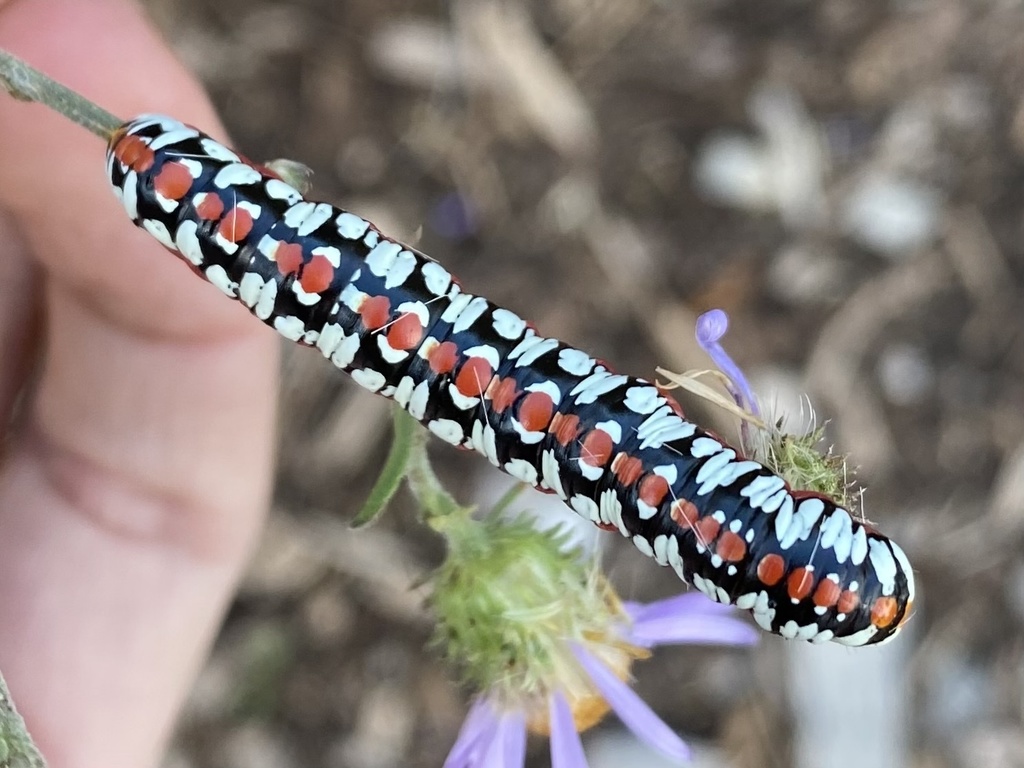
(c) Elliott Gordon, some rights reserved (CC BY) · licence
Family: Noctuidae · Class: Insecta · Order: Lepidoptera
Cucullia dorsalis is a California animal in the Noctuidae family.
Cucullia dorsalis is a noctuid moth in the subfamily Cuculliinae, belonging to a genus of medium-sized moths commonly known as hooded owlet moths. Like other members of the genus Cucullia, this species likely exhibits cryptic coloration patterns that provide camouflage during daytime resting periods. Adult moths typically display mottled brown and gray wing patterns that blend with tree bark and woody substrates. Based on available records, Cucullia dorsalis occurs in California, with documented observations from San Luis Obispo County. A specimen was recorded at Montana de Oro State Park in Los Osos at 310 feet elevation in July 2012 (News of the Lepidopterists' Society 2013). The species' broader distribution within California and potential occurrence in adjacent states requires further documentation through systematic surveys. The species appears to inhabit coastal and near-coastal environments, as evidenced by its collection at Montana de Oro State Park. This location suggests an association with coastal scrub, grassland, or oak woodland habitats typical of the central California coast. The elevation record of 310 feet indicates the species occurs in low-elevation coastal zones, though its full elevational range remains undocumented. Specific microhabitat preferences and vegetation associations have not been well studied. Adult flight activity occurs during summer months, with the July collection date suggesting peak activity in mid-summer. Like other Cucullia species, adults are likely nocturnal and attracted to artificial lights, as indicated by the collection method using mercury vapor light. Host plant relationships have not been documented for this species, though related Cucullia moths often utilize herbaceous plants including members of the Asteraceae family. Larval development patterns, overwintering stages, and seasonal phenology require further investigation. Cucullia dorsalis lacks formal conservation status designations at federal or state levels. The species does not appear on current U.S. Fish and Wildlife Service species lists or California Department of Fish and Wildlife tracking databases as of December 2025. Limited collection records suggest either restricted distribution, low population densities, or insufficient survey effort in potential habitats. The paucity of recent observations may reflect genuine rarity or the cryptic nature of the species making detection difficult during standard moth surveys. Primary conservation concerns likely include habitat loss and degradation in coastal California, where development pressure and altered fire regimes have modified native plant communities. Climate change may pose additional threats through shifting temperature and precipitation patterns affecting both adult activity periods and host plant phenology. The species would benefit from targeted surveys in suitable coastal habitats to better define its current distribution and population status. Scientific documentation for this species remains extremely limited. The information presented here synthesizes available records from lepidopterological literature and community observations. Additional research is needed to characterize the species' full geographic range, habitat requirements, life history, and conservation needs. We welcome contributions of verified scientific data, photographs, or field observations to enhance this species account.
Classification
Class: Insecta · Order: Lepidoptera · Family: Noctuidae
Frequently asked questions
How is Cucullia dorsalis classified?
Cucullia dorsalis belongs to class Insecta, order Lepidoptera, family Noctuidae.
What family does Cucullia dorsalis belong to?
Cucullia dorsalis is in the Noctuidae family.
What is Cucullia dorsalis?
Cucullia dorsalis is a noctuid moth in the subfamily Cuculliinae, belonging to a genus of medium-sized moths commonly known as hooded owlet moths.
Is Cucullia dorsalis found in California?
Yes. Cucullia dorsalis is recorded in California in The California Species Project's catalogue.
Related species
Other California species in the same genus, family, or bioregion.
Data from The California Species Project — 14,000+ California species with verified data from CNPS, CDFW, USFWS, and more.