Cucullia speyeri
Speyer's Hooded Owlet
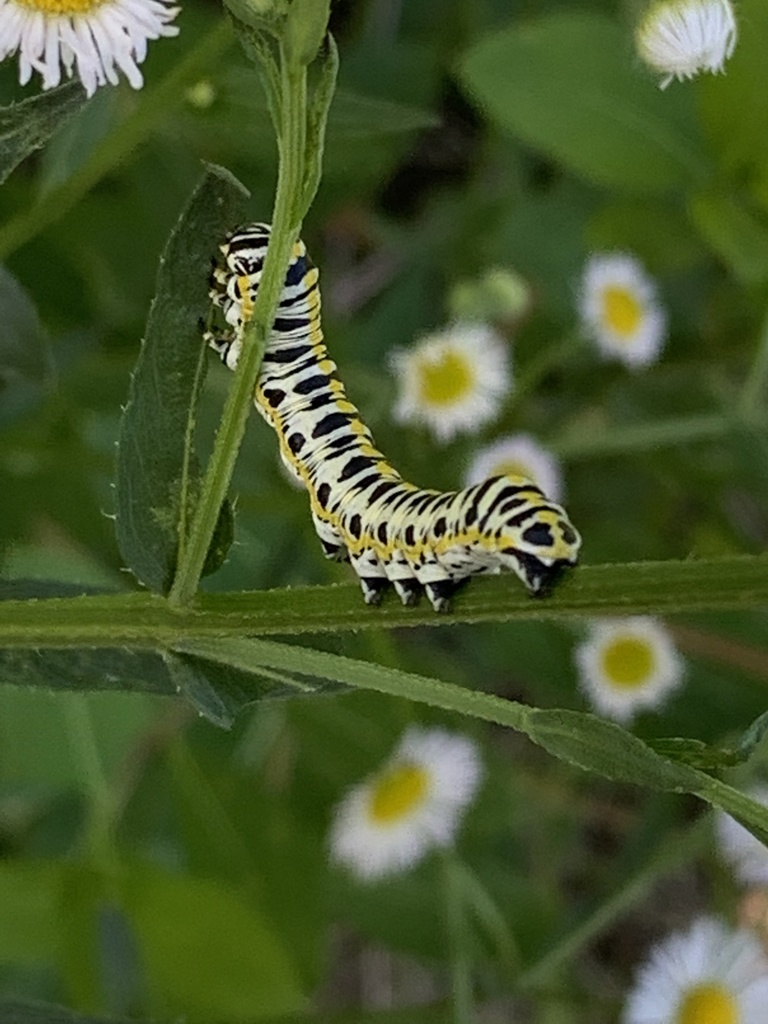
(c) inbetweenbays, some rights reserved (CC BY) · licence
Family: Noctuidae · Class: Insecta · Order: Lepidoptera
Cucullia speyeri (Speyer's Hooded Owlet) is a California animal in the Noctuidae family.
Cucullia speyeri, commonly known as Speyer's Hooded Owlet, is a moth in the family Noctuidae. This species belongs to the genus Cucullia, a group known for taxonomic challenges and identification difficulties among collectors and researchers (News of the Lepidopterists' Society 2017). The physical characteristics of C. speyeri have not been well documented in the available scientific literature, reflecting the limited study of many members of this genus. The range and distribution of Speyer's Hooded Owlet in California remain poorly documented. Collection records from Colorado indicate the species occurs in sagebrush communities along creek systems, specifically recorded from Sangre de Cristo Creek in an Ericameria/sagebrush/Salix community at 26 August 2012 (News of the Lepidopterists' Society 2013). This suggests the species may favor riparian areas within sagebrush habitat, though California-specific distribution data are lacking. Habitat preferences for C. speyeri appear to include sagebrush ecosystems with associated riparian vegetation. The Colorado record from a mixed Ericameria/sagebrush/Salix community suggests the species utilizes areas where shrubland meets riparian zones. Many Cucullia species have specialized soil requirements for pupation, which may influence habitat selection (News of the Lepidopterists' Society 2017). Elevation preferences and specific microhabitat requirements in California have not been documented. Ecological information for Speyer's Hooded Owlet is extremely limited. Like other members of the genus Cucullia, the species is likely nocturnal and attracted to ultraviolet light sources, as evidenced by collection methods in survey records. Larval host plants have not been identified, though many Cucullia species feed on herbaceous plants including composites and other flowering plants. Seasonal activity patterns, reproductive timing, and life cycle details remain undocumented for this species. No formal conservation status has been assigned to Cucullia speyeri at federal or state levels. The species' apparent rarity in collections may reflect either genuine scarcity or the taxonomic difficulties that characterize the genus Cucullia. Many Cucullia species present identification challenges that result in under-documentation, creating a "needle in a haystack" problem for collectors and researchers (News of the Lepidopterists' Society 2017). Without adequate survey data or population assessments, the conservation needs of this species cannot be properly evaluated. Detailed ecological studies of Cucullia speyeri are lacking, and much of the basic biology remains unknown. The limited collection records and taxonomic challenges within the genus highlight the need for additional research to understand this species' distribution, habitat requirements, and conservation status in California. Further field surveys and taxonomic work would help clarify the species' status and ecological role within California's sagebrush and riparian ecosystems.
Classification
Class: Insecta · Order: Lepidoptera · Family: Noctuidae
Frequently asked questions
How is Cucullia speyeri classified?
Cucullia speyeri belongs to class Insecta, order Lepidoptera, family Noctuidae.
What family does Cucullia speyeri belong to?
Cucullia speyeri is in the Noctuidae family.
What is Cucullia speyeri?
Cucullia speyeri, commonly known as Speyer's Hooded Owlet, is a moth in the family Noctuidae.
Is Cucullia speyeri found in California?
Yes. Cucullia speyeri is recorded in California in The California Species Project's catalogue.
Related species
Other California species in the same genus, family, or bioregion.
Data from The California Species Project — 14,000+ California species with verified data from CNPS, CDFW, USFWS, and more.