Cultellunguis americanus
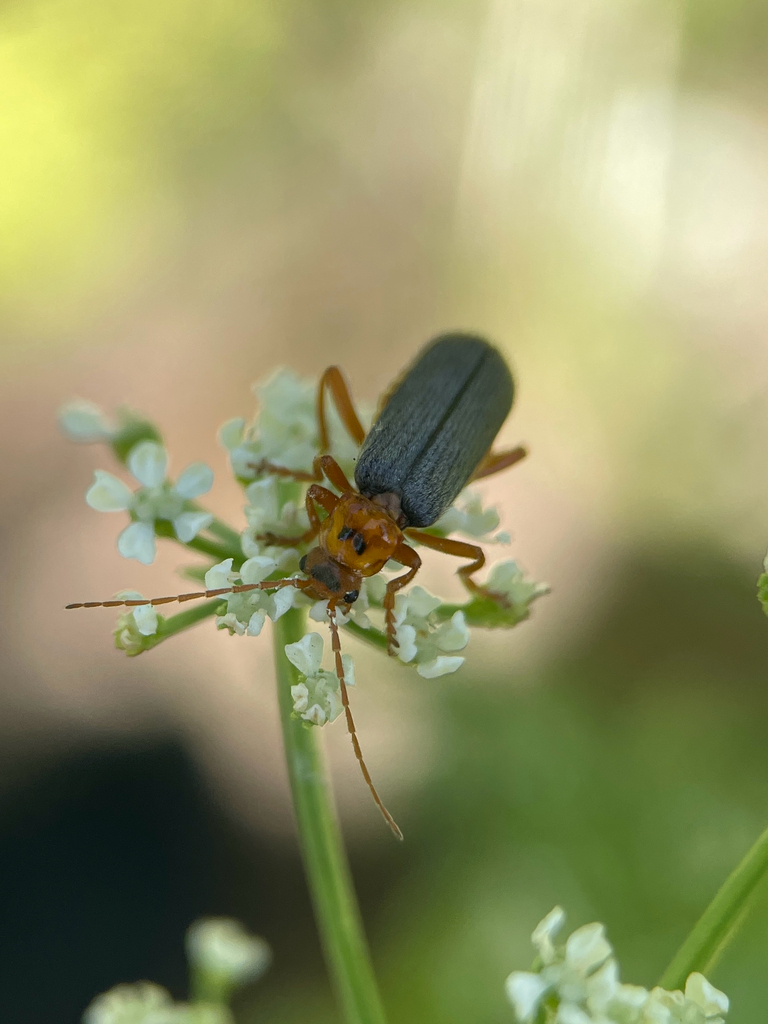
no rights reserved · CC0
Family: Cantharidae · Class: Insecta · Order: Coleoptera
Cultellunguis americanus is a California animal in the Cantharidae family.
Cultellunguis americanus is a beetle in the family Cantharidae, commonly known as soldier beetles or leatherwings. This species represents one of the lesser-documented members of North American Cantharidae, with limited published research on its morphology and ecological requirements. Physical characteristics of C. americanus have not been comprehensively documented in the scientific literature. Like other cantharid beetles, it likely possesses the characteristic soft, flexible elytra that give the family its common name of leatherwings. Cantharidae typically range from 1 to 15 millimeters in length, with elongated bodies and relatively long antennae, though specific measurements for C. americanus are not available in current literature. The species' distribution appears to be primarily within the eastern United States, though precise range boundaries remain poorly documented. According to Virginia's Species of Greatest Conservation Need assessment, C. americanus occurs within Virginia, suggesting a broader Mid-Atlantic or southeastern distribution pattern typical of many cantharid species (Virginia Department of Wildlife Resources). The species' presence on Virginia's conservation priority list indicates limited distribution or population concerns within that state. Habitat requirements for C. americanus have not been specifically studied or documented in available scientific literature. Most cantharid beetles are associated with flowering plants and vegetation where they hunt for small arthropod prey, particularly aphids and other soft-bodied insects. Adults are typically found on flowers, leaves, and bark surfaces during their active season, which generally corresponds with warmer months when prey species are abundant. Ecological information specific to C. americanus is extremely limited in current scientific databases. Cantharidae generally function as beneficial predators in their ecosystems, with both larvae and adults consuming pest insects. Larvae typically develop in soil, leaf litter, or decaying organic matter, where they hunt for small invertebrates. Adult feeding behavior usually includes both predation on small insects and nectar feeding from flowers, making them occasional pollinators. Reproductive biology, seasonal activity patterns, and specific prey preferences for C. americanus have not been documented in accessible literature. Conservation status information for C. americanus is minimal. The species' inclusion on Virginia's Species of Greatest Conservation Need list suggests population or distribution concerns, though specific threats have not been identified or studied. The lack of comprehensive biological data itself represents a conservation challenge, as effective management requires understanding of habitat needs, population trends, and ecological requirements. No federal listing status has been assigned to this species as of December 2025. Scientific documentation for this species remains extremely limited despite its conservation designation in Virginia. The information presented here synthesizes available sources including Virginia's wildlife assessment and taxonomic databases. Detailed ecological studies, population assessments, and distribution surveys are needed to better understand this species' conservation needs and develop appropriate management strategies.
Classification
Class: Insecta · Order: Coleoptera · Family: Cantharidae
Frequently asked questions
How is Cultellunguis americanus classified?
Cultellunguis americanus belongs to class Insecta, order Coleoptera, family Cantharidae.
What family does Cultellunguis americanus belong to?
Cultellunguis americanus is in the Cantharidae family.
What is Cultellunguis americanus?
Cultellunguis americanus is a beetle in the family Cantharidae, commonly known as soldier beetles or leatherwings.
Is Cultellunguis americanus found in California?
Yes. Cultellunguis americanus is recorded in California in The California Species Project's catalogue.
Related species
Other California species in the same genus, family, or bioregion.
Data from The California Species Project — 14,000+ California species with verified data from CNPS, CDFW, USFWS, and more.