Cymatogaster aggregata
Shiner perch
no rights reserved · CC0
Family: Embiotocidae · Class: Actinopterygii · Order: Blenniiformes
Cymatogaster aggregata (Shiner perch) is a California animal in the Embiotocidae family.
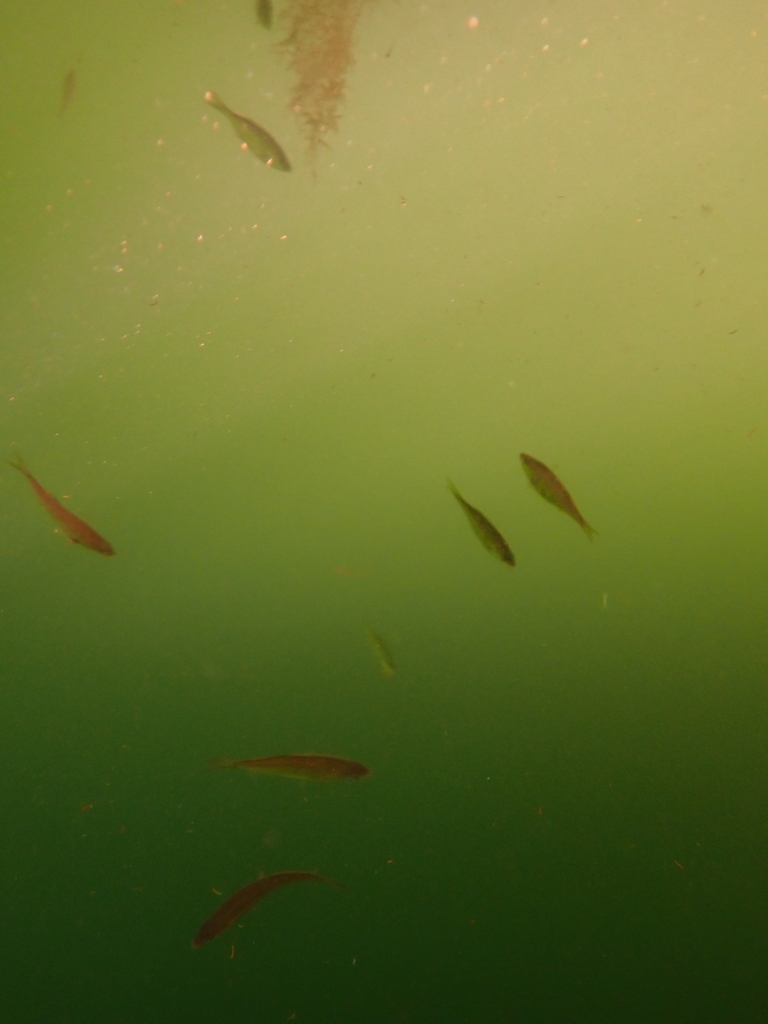
The shiner perch is a small to medium-sized marine fish in the family Embiotocidae, commonly known as the surfperch family. Adults typically measure 100 to 150 mm (4 to 6 inches) in total length, with a maximum recorded length of approximately 200 mm (8 inches). The body is laterally compressed and oval-shaped, with a silvery coloration that gives the species its common name. The dorsal surface ranges from olive-green to bluish-gray, while the sides display a bright silver sheen with metallic reflections. Vertical bars or dusky bands may be present along the flanks, particularly in juveniles. The species exhibits sexual dimorphism, with breeding males developing more intense coloration and enlarged anal fins. Shiner perch are distributed along the Pacific coast from British Columbia to Baja California, Mexico. In California waters, they occur from the Oregon border south to Point Conception, with populations extending into the Southern California Bight. The species is most abundant in central and northern California coastal waters, including San Francisco Bay, Monterey Bay, and Humboldt Bay. They are commonly found in protected embayments, estuaries, and nearshore rocky and sandy areas. The species inhabits shallow marine and estuarine environments, typically at depths ranging from the intertidal zone to approximately 15 meters (50 feet). Shiner perch show a preference for areas with eelgrass beds, kelp forests, rocky reefs, and pier pilings. They frequently occur over sandy bottoms near structure and are commonly associated with surfgrass (Phyllospadix) beds in the intertidal and shallow subtidal zones. Juveniles often utilize eelgrass meadows and shallow protected areas as nursery habitat. Shiner perch are schooling fish that form aggregations, particularly during feeding and spawning periods. They are opportunistic carnivores, feeding primarily on small crustaceans, polychaete worms, mollusks, and occasionally small fish. The diet varies seasonally and includes amphipods, mysid shrimp, copepods, and larval invertebrates. Like all members of the Embiotocidae family, shiner perch are viviparous, giving birth to live young rather than laying eggs. Mating occurs during spring and summer months, with females carrying developing embryos for approximately six months. Females typically produce 15 to 30 young per brood, with larger females producing more offspring. The young are born as fully-formed miniature adults measuring 20 to 30 mm (0.8 to 1.2 inches) in length. Shiner perch are not listed under federal or state endangered species legislation and are considered stable throughout their range. The species is classified as a game fish in California and is subject to recreational fishing regulations. They support both commercial and recreational fisheries, though harvest levels are relatively modest compared to other marine species. Populations may face localized pressures from habitat degradation, coastal development, and water quality issues in estuarine environments. The species benefits from marine protected areas and eelgrass conservation efforts along the California coast.
Classification
Class: Actinopterygii · Order: Blenniiformes · Family: Embiotocidae
Frequently asked questions
How is Cymatogaster aggregata classified?
Cymatogaster aggregata belongs to class Actinopterygii, order Blenniiformes, family Embiotocidae.
What family does Cymatogaster aggregata belong to?
Cymatogaster aggregata is in the Embiotocidae family.
What is Cymatogaster aggregata?
The shiner perch is a small to medium-sized marine fish in the family Embiotocidae, commonly known as the surfperch family.
Is Cymatogaster aggregata found in California?
Yes. Cymatogaster aggregata is recorded in California in The California Species Project's catalogue.
Related species
Other California species in the same genus, family, or bioregion.
Data from The California Species Project — 14,000+ California species with verified data from CNPS, CDFW, USFWS, and more.