Cynips conspicuus
Fuzzy-Gall Wasp
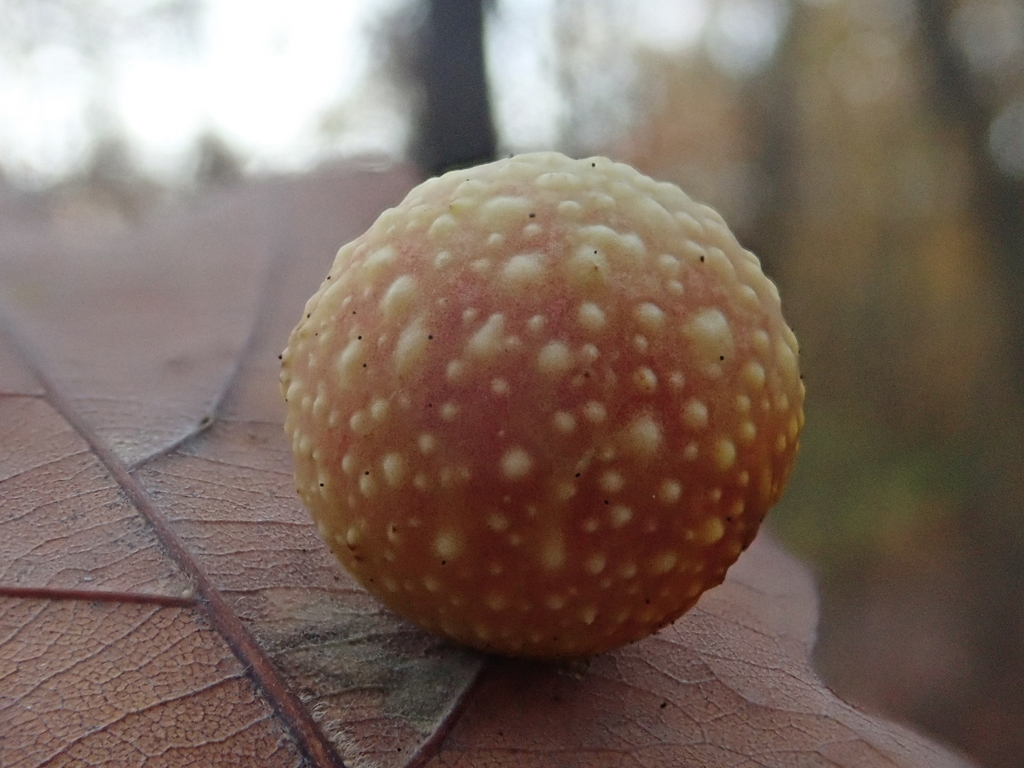
(c) Alexis Tinker-Tsavalas, some rights reserved (CC BY) · licence
Family: Cynipidae · Class: Insecta · Order: Hymenoptera
Cynips conspicuus (Fuzzy-Gall Wasp) is a California animal in the Cynipidae family.
The fuzzy-gall wasp (Cynips conspicuus) is a small hymenopteran insect in the family Cynipidae that induces distinctive galls on oak trees. Adults are typically dark-colored, measuring 2-4 mm in length, with the characteristic body structure of cynipid wasps including elbowed antennae and a laterally compressed abdomen. The species is most readily identified by the distinctive fuzzy, spherical galls it creates rather than by the adult wasps themselves. Cynips conspicuus occurs throughout western North America, with documented populations in California, Oregon, and other western states. The species appears to be most commonly associated with valley oak (Quercus lobata) and other oak species in the white oak group, though its full host range requires further documentation. In California, the species has been recorded from various counties where suitable oak habitats occur. This gall wasp inhabits oak woodland and savanna ecosystems, typically at elevations below 1,500 meters where its host trees are found. The species shows a strong association with valley oak environments, particularly in areas with mature trees that provide suitable sites for gall formation. Adults emerge during specific seasonal periods that coincide with optimal conditions for gall induction on new oak growth. The life cycle of C. conspicuus follows the typical cynipid pattern of gall induction and development. Adult females oviposit into oak petioles or leaf midribs, injecting chemicals that stimulate the formation of characteristic fuzzy, spherical galls (BugGuide). These galls serve as both nursery chambers and food sources for developing larvae. The galls are distinctive for their dense covering of fine hairs or fibers, giving them their fuzzy appearance. Development typically takes one year, with adults emerging to mate and begin the next generation. Like many cynipid species, C. conspicuus may exhibit complex alternating sexual and asexual generations, though the complete life cycle details require further study. Currently, Cynips conspicuus has no federal or state conservation listing status. The species appears to be relatively stable within its range, though comprehensive population surveys have not been conducted. Primary threats potentially include habitat loss through oak woodland conversion and fragmentation, particularly of valley oak ecosystems which have experienced significant decline in California. Climate change may affect the species through impacts on host tree distribution and phenology. The species' dependence on specific oak hosts makes it vulnerable to factors affecting oak health, including drought, disease, and land use changes. As with many specialized gall-forming insects, the conservation status of C. conspicuus is closely tied to the preservation of intact oak woodland habitats. Further research is needed to fully understand population trends, host plant relationships, and potential conservation concerns for this species.
Classification
Class: Insecta · Order: Hymenoptera · Family: Cynipidae
Frequently asked questions
How is Cynips conspicuus classified?
Cynips conspicuus belongs to class Insecta, order Hymenoptera, family Cynipidae.
What family does Cynips conspicuus belong to?
Cynips conspicuus is in the Cynipidae family.
What is Cynips conspicuus?
The fuzzy-gall wasp (Cynips conspicuus) is a small hymenopteran insect in the family Cynipidae that induces distinctive galls on oak trees.
Is Cynips conspicuus found in California?
Yes. Cynips conspicuus is recorded in California in The California Species Project's catalogue.
Related species
Other California species in the same genus, family, or bioregion.
Data from The California Species Project — 14,000+ California species with verified data from CNPS, CDFW, USFWS, and more.