Cynips multipunctata
Gray Midrib Gall Wasp
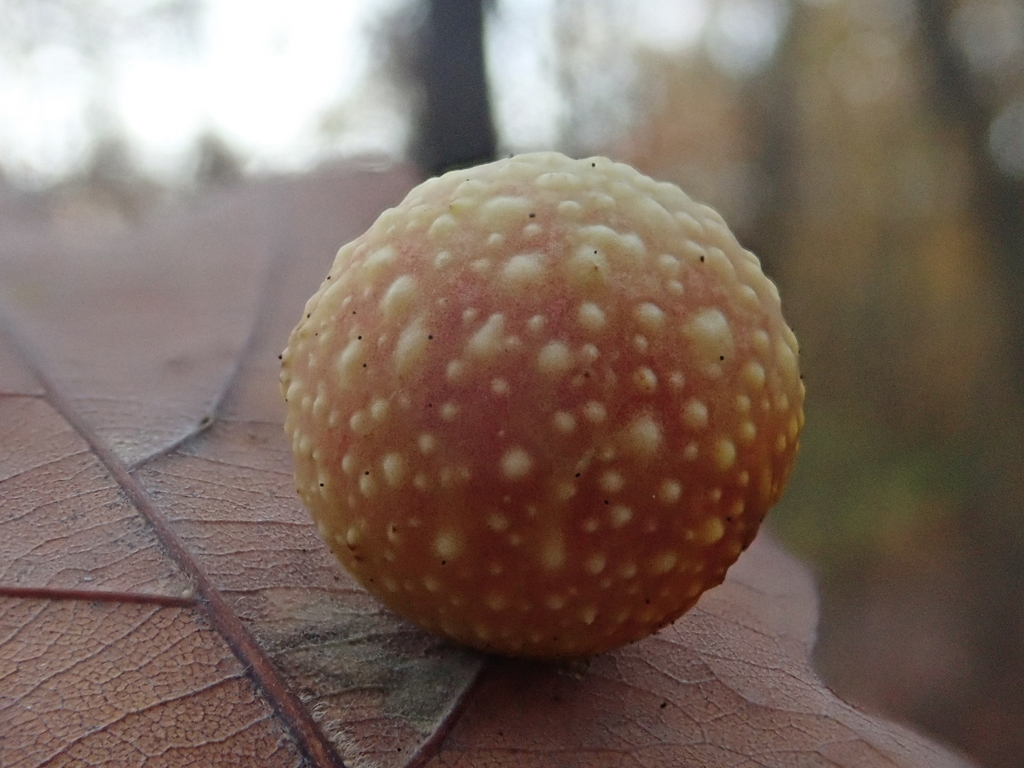
(c) Alexis Tinker-Tsavalas, some rights reserved (CC BY) · licence
Family: Cynipidae · Class: Insecta · Order: Hymenoptera
Cynips multipunctata (Gray Midrib Gall Wasp) is a California animal in the Cynipidae family.
Cynips multipunctata, commonly known as the Gray Midrib Gall Wasp, is a small parasitoid wasp belonging to the family Cynipidae. Adults are typically 2-4 mm in length, with the characteristic compact body structure of gall wasps. Females possess a well-developed ovipositor used for depositing eggs into host plant tissues, while males are generally smaller and less commonly observed. This species occurs throughout much of North America, with documented populations across multiple regions. In California, C. multipunctata has been recorded in various counties, though specific distribution data remains limited. The species' range extends beyond California into other western states, reflecting its adaptation to diverse oak woodland ecosystems. C. multipunctata is closely associated with oak species, particularly those in the genus Quercus. The wasp induces the formation of distinctive galls on the midrib and leaf veins of oak leaves, creating gray to brown swellings that give the species its common name. These galls serve as both nursery chambers and food sources for developing larvae. The species shows host specificity, with different oak species potentially supporting distinct gall morphologies and wasp populations. The life cycle of C. multipunctata follows the typical cynipid pattern of alternating sexual and asexual generations, though detailed studies of this species' reproductive biology remain limited. Females oviposit into oak leaf tissue during the growing season, typically in spring when new foliage is expanding. The mechanical and chemical stimulation from egg-laying triggers abnormal plant growth, resulting in the characteristic midrib galls. Larvae develop within these protected chambers, feeding on nutritious gall tissue. Development time varies with environmental conditions, but most individuals emerge as adults the following year. As with many gall wasps, C. multipunctata plays a complex ecological role within oak woodland communities. The galls provide habitat for various inquilines (species that live within galls without inducing them) and parasitoids that attack the gall-making larvae. This creates intricate food webs centered around the gall structures. The conservation status of C. multipunctata has not been formally assessed at state or federal levels. Like many specialized herbivorous insects, populations may be vulnerable to habitat loss through oak woodland conversion and fragmentation. Climate change impacts on oak phenology could potentially disrupt the precise timing required for successful gall induction. However, the species' apparent broad distribution and association with common oak species suggests relatively stable populations in suitable habitat. Taxonomic and biological research on C. multipunctata remains limited compared to more economically significant cynipids. Detailed studies of host plant relationships, population genetics, and ecological interactions would enhance understanding of this species' conservation needs and ecological role within California's oak woodland ecosystems.
Classification
Class: Insecta · Order: Hymenoptera · Family: Cynipidae
Frequently asked questions
How is Cynips multipunctata classified?
Cynips multipunctata belongs to class Insecta, order Hymenoptera, family Cynipidae.
What family does Cynips multipunctata belong to?
Cynips multipunctata is in the Cynipidae family.
What is Cynips multipunctata?
Cynips multipunctata, commonly known as the Gray Midrib Gall Wasp, is a small parasitoid wasp belonging to the family Cynipidae.
Is Cynips multipunctata found in California?
Yes. Cynips multipunctata is recorded in California in The California Species Project's catalogue.
Related species
Other California species in the same genus, family, or bioregion.
Data from The California Species Project — 14,000+ California species with verified data from CNPS, CDFW, USFWS, and more.