Cynoscion macdonaldi
Totoaba (seatrout or weakfish)
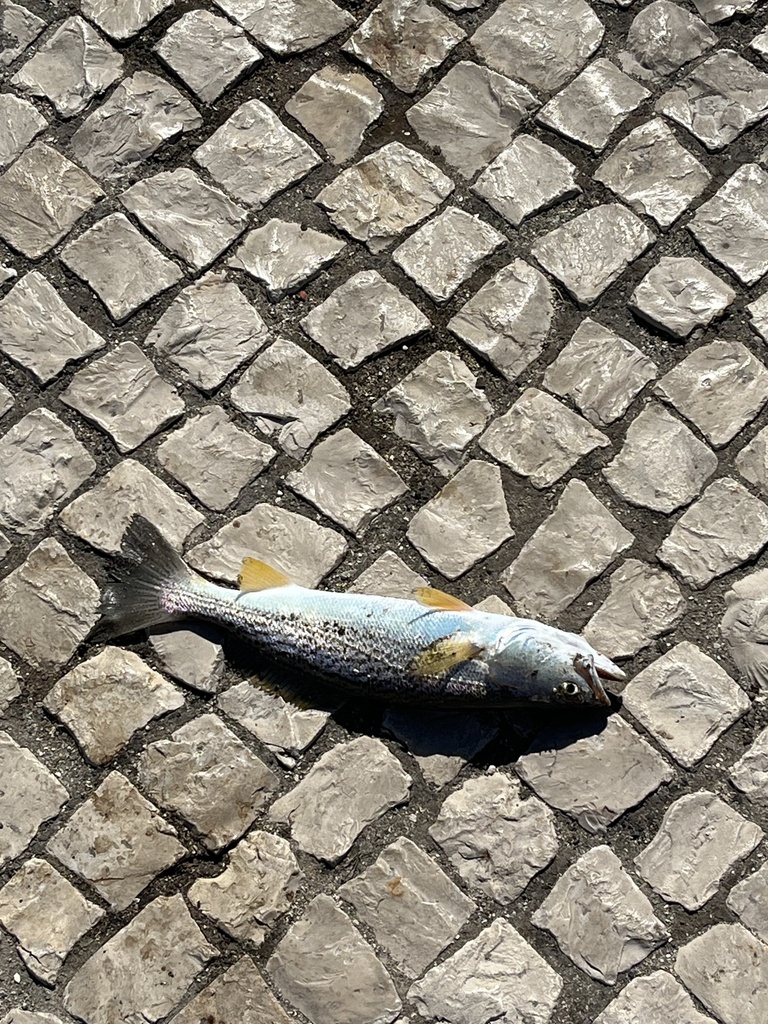
(c) Vsevolod Rudyi, some rights reserved (CC BY) · licence
Family: Sciaenidae · Class: Actinopterygii · Order: Perciformes
Conservation status: Endangered
Cynoscion macdonaldi (Totoaba (seatrout or weakfish)) is a California animal in the Sciaenidae family.
The totoaba is a large marine fish endemic to the Gulf of California (Sea of Cortez), Mexico. Adults can reach lengths of up to 2 meters (6.6 feet) and weights exceeding 100 kilograms (220 pounds), making it one of the largest members of the drum family (Sciaenidae). The species displays a silvery coloration with a darker dorsal surface and possesses a distinctive swim bladder that has historically made it valuable for commercial purposes. Totoaba are characterized by their elongated body, large mouth, and prominent canine teeth adapted for piscivorous feeding. Historically, totoaba ranged throughout the Gulf of California from the Colorado River Delta south to Mazatlán, Mexico. The species exhibited extensive migrations, with adults moving north to spawning areas in the upper Gulf of California during spring months. Current distribution has contracted significantly, with the species now primarily confined to the northern Gulf of California, particularly around the Colorado River Delta region. Totoaba inhabit coastal marine waters, estuaries, and river mouths within the Gulf of California. Adults prefer deeper waters of the continental shelf, typically at depths ranging from 20 to 165 meters (66 to 541 feet). Juvenile totoaba utilize shallow coastal areas and estuarine environments as nursery habitats, particularly in areas with soft sediment bottoms and moderate salinity levels. The species requires specific temperature and salinity conditions that occur in the mixing zones between the Colorado River system and marine waters. Totoaba are anadromous, undertaking seasonal migrations to spawn in freshwater and brackish water areas of the upper Gulf of California. Spawning occurs primarily from March through June, with peak activity in April and May. Females can produce up to 2 million eggs, which are released into the water column. The species exhibits slow growth rates and late sexual maturity, with individuals not reaching reproductive age until 6 to 7 years old. Adults feed primarily on fish, crustaceans, and cephalopods, while juveniles consume smaller prey including zooplankton and small fish. The totoaba was listed as endangered under the U.S. Endangered Species Act due to severe population declines caused by overfishing, habitat degradation, and water diversions from the Colorado River. The species' swim bladder, valued in traditional Chinese medicine, has driven extensive illegal fishing operations. Population estimates suggest the species has declined by more than 90% from historical levels. The construction of dams on the Colorado River has significantly reduced freshwater flows into the Gulf of California, altering the estuarine conditions essential for totoaba reproduction and early life stages. Current conservation efforts focus on fishing restrictions, habitat protection, and international cooperation between Mexico, the United States, and China to reduce illegal trade. The species is also listed under CITES Appendix I, prohibiting international commercial trade. Recovery efforts face ongoing challenges from continued illegal fishing and the interconnected threat to the critically endangered vaquita porpoise, which becomes entangled in nets set for totoaba.
Classification
Class: Actinopterygii · Order: Perciformes · Family: Sciaenidae
Conservation status
Endangered
Frequently asked questions
How is Cynoscion macdonaldi classified?
Cynoscion macdonaldi belongs to class Actinopterygii, order Perciformes, family Sciaenidae.
What family does Cynoscion macdonaldi belong to?
Cynoscion macdonaldi is in the Sciaenidae family.
Is Cynoscion macdonaldi protected or of conservation concern?
Cynoscion macdonaldi carries the following status: Endangered.
What is Cynoscion macdonaldi?
The totoaba is a large marine fish endemic to the Gulf of California (Sea of Cortez), Mexico.
Is Cynoscion macdonaldi found in California?
Yes. Cynoscion macdonaldi is recorded in California in The California Species Project's catalogue.
Related species
Other California species in the same genus, family, or bioregion.
Data from The California Species Project — 14,000+ California species with verified data from CNPS, CDFW, USFWS, and more.