Cyprinella formosa
Beautiful shiner
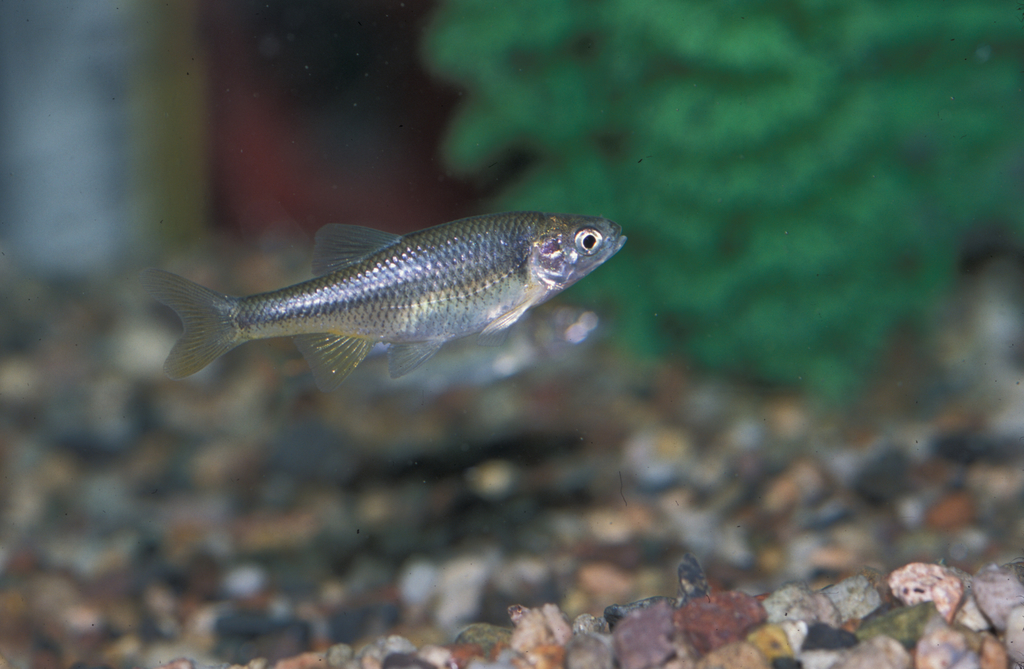
(c) Jacob Malcom, some rights reserved (CC BY-SA) · licence
Family: Leuciscidae · Class: Actinopterygii · Order: Cypriniformes
Conservation status: Threatened
Cyprinella formosa (Beautiful shiner) is a California animal in the Leuciscidae family.
Cyprinella formosa is a small freshwater fish endemic to the Rio Yaqui basin, historically distributed across portions of Arizona, Mexico, and Sonora. This cyprinid was originally described by C. Girard in 1856 from specimens collected in San Bernardino Creek within the Rio Yaqui drainage system. Adults typically measure 50-75 mm (2.0-3.0 inches) in total length, displaying the streamlined body form characteristic of shiners. Males develop distinct breeding colors during spawning season, though specific morphological details remain poorly documented in the scientific literature. Historically, C. formosa occurred throughout the Rio Yaqui basin in southeastern Arizona and northwestern Mexico. The species' range extended through multiple tributary systems including San Bernardino Creek and associated drainages. Currently in the United States, populations are restricted to San Bernardino Creek and several artificial ponds on San Bernardino National Wildlife Refuge in Arizona, as well as Leslie Creek on Leslie Canyon National Wildlife Refuge (USFWS). Mexican populations persist in portions of the Rio Yaqui system in Sonora. The species inhabits clear, flowing streams with rocky or sandy substrates, typically in areas with moderate current and well-oxygenated water. C. formosa prefers stream reaches with diverse microhabitat features including pools, riffles, and areas with aquatic vegetation or overhanging riparian cover. Water temperatures and specific habitat parameters have not been extensively documented, though the species appears adapted to the seasonal flow regimes characteristic of Sonoran Desert streams. C. formosa is presumed to be omnivorous, feeding on aquatic insects, small crustaceans, and organic detritus, similar to related cyprinid species. Spawning likely occurs during spring months when water temperatures rise and flows are adequate, though specific reproductive timing and requirements remain understudied. The species exhibits schooling behavior typical of shiners, with individuals forming aggregations in suitable habitat areas. The U.S. Fish and Wildlife Service listed C. formosa as threatened under the Endangered Species Act on August 31, 1984, with critical habitat designated the same date. The species is one of eight fish taxa collectively known as the Rio Yaqui Fishes, several of which face similar conservation challenges. Primary threats include habitat degradation from livestock grazing, groundwater pumping, stream channelization, and introduction of non-native fish species. Water diversions and drought conditions have further reduced available habitat. The Southwestern Native Aquatic Resources Recovery Center maintains a captive breeding program for the Guzman form of C. formosa to support potential reintroduction efforts (USFWS). Recovery efforts focus on habitat restoration, water management improvements, and captive propagation programs. Population monitoring continues at existing refuge sites, though specific population estimates and trends have not been well documented in recent literature.
Classification
Class: Actinopterygii · Order: Cypriniformes · Family: Leuciscidae
Conservation status
Threatened
Frequently asked questions
How is Cyprinella formosa classified?
Cyprinella formosa belongs to class Actinopterygii, order Cypriniformes, family Leuciscidae.
What family does Cyprinella formosa belong to?
Cyprinella formosa is in the Leuciscidae family.
Is Cyprinella formosa protected or of conservation concern?
Cyprinella formosa carries the following status: Threatened.
What is Cyprinella formosa?
Cyprinella formosa is a small freshwater fish endemic to the Rio Yaqui basin, historically distributed across portions of Arizona, Mexico, and Sonora.
Is Cyprinella formosa found in California?
Yes. Cyprinella formosa is recorded in California in The California Species Project's catalogue.
Related species
Other California species in the same genus, family, or bioregion.
Data from The California Species Project — 14,000+ California species with verified data from CNPS, CDFW, USFWS, and more.