Cyprinodon nevadensis calidae
Tecopa pupfish
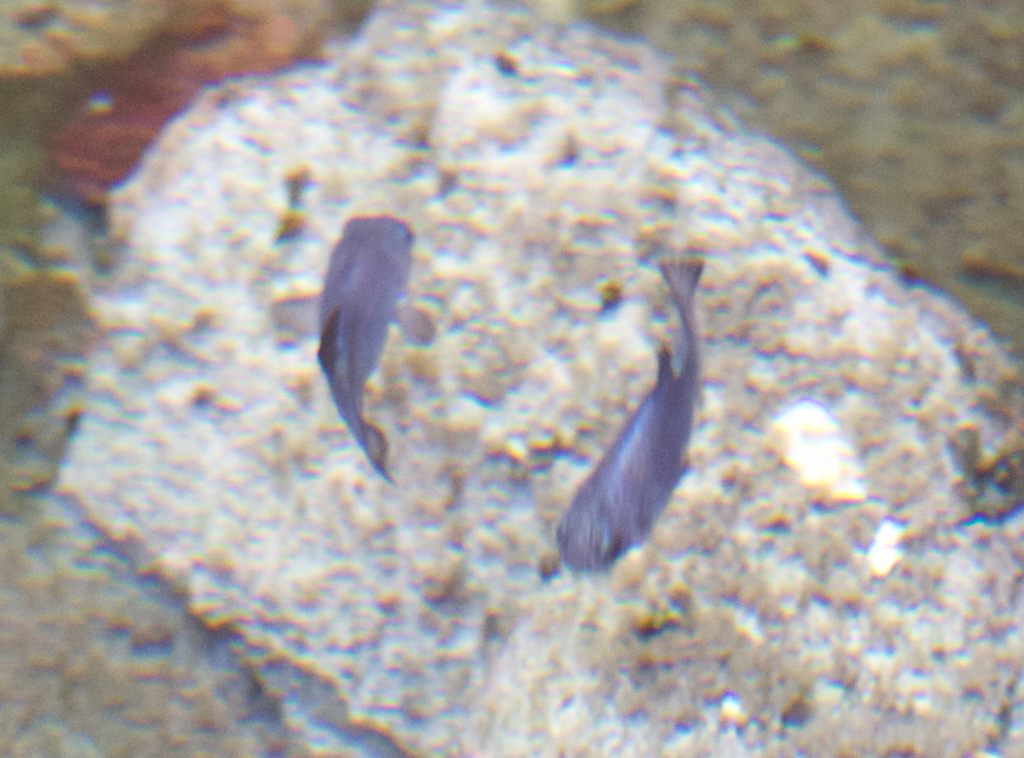
(c) Jonathan Eisen, some rights reserved (CC BY) · licence
Family: Cyprinodontidae · Class: Actinopterygii · Order: Cyprinodontiformes
Conservation status: SDE SE · Delisted (Extinct)
Cyprinodon nevadensis calidae (Tecopa pupfish) is a California animal in the Cyprinodontidae family.
The Tecopa pupfish (Cyprinodon nevadensis calidae) was a small freshwater fish endemic to the thermal springs and outflows near Tecopa, California, in Inyo County. Adults typically measured 25 to 50 mm (1.0 to 2.0 inches) in total length. Males displayed blue coloration on the head and anterior body during breeding season, with dark vertical bars along the sides. Females and non-breeding males were typically olive-brown to gray with less distinct markings. The species possessed the typical pupfish body form: deep-bodied, laterally compressed, with a small terminal mouth and rounded fins. The Tecopa pupfish was restricted to North and South Tecopa Hot Springs and their associated outflows in the Mojave Desert of southeastern California. The species inhabited an extremely limited range of approximately 1.6 kilometers (1 mile) of thermal spring systems in the Tecopa area. This represented one of the most geographically restricted ranges of any North American freshwater fish species. The species was adapted to the unique thermal spring environment, tolerating water temperatures ranging from 34 to 43°C (93 to 109°F). Tecopa pupfish inhabited shallow pools, spring runs, and marshy areas with slow-moving or standing water. The substrate typically consisted of mud, organic debris, and algal mats. Vegetation in the habitat included various thermophilic algae and limited emergent plants adapted to the high-temperature conditions. Tecopa pupfish were omnivorous, feeding on algae, detritus, small invertebrates, and organic matter. Like other pupfish species, they likely exhibited territorial behavior during breeding, with males establishing and defending small territories. Spawning occurred year-round due to the consistently warm water temperatures, with females depositing eggs on algal mats and substrate. The species was adapted to the stable thermal conditions, showing little seasonal variation in activity patterns. The Tecopa pupfish was listed as endangered under the Endangered Species Act in 1970, making it one of the first fish species to receive federal protection. However, habitat modification and introduction of non-native species led to rapid population decline. According to the U.S. Fish and Wildlife Service, the last confirmed sighting occurred in 1970. Extensive surveys conducted in the early 1980s failed to locate any surviving individuals. The primary threats included habitat alteration from bathhouse construction, channelization of spring outflows, and introduction of exotic fish species including mosquitofish and sailfin mollies that competed for resources and hybridized with the native pupfish. In 1982, the Tecopa pupfish became the first species to be officially removed from the Endangered Species List due to extinction, as documented by the California Department of Fish and Wildlife. The species represents a significant loss of endemic desert biodiversity and serves as an early example of anthropogenic extinction in North American freshwater systems.
Classification
Class: Actinopterygii · Order: Cyprinodontiformes · Family: Cyprinodontidae
Conservation status
SDE SE · Delisted (Extinct)
Frequently asked questions
How is Cyprinodon nevadensis calidae classified?
Cyprinodon nevadensis calidae belongs to class Actinopterygii, order Cyprinodontiformes, family Cyprinodontidae.
What family does Cyprinodon nevadensis calidae belong to?
Cyprinodon nevadensis calidae is in the Cyprinodontidae family.
Is Cyprinodon nevadensis calidae protected or of conservation concern?
Cyprinodon nevadensis calidae carries the following status: SDE SE · Delisted (Extinct).
What is Cyprinodon nevadensis calidae?
The Tecopa pupfish (Cyprinodon nevadensis calidae) was a small freshwater fish endemic to the thermal springs and outflows near Tecopa, California, in Inyo County.
Is Cyprinodon nevadensis calidae found in California?
Yes. Cyprinodon nevadensis calidae is recorded in California in The California Species Project's catalogue.
Related species
Other California species in the same genus, family, or bioregion.
Data from The California Species Project — 14,000+ California species with verified data from CNPS, CDFW, USFWS, and more.