Cyprinodon nevadensis nevadensis
Saratoga Springs pupfish
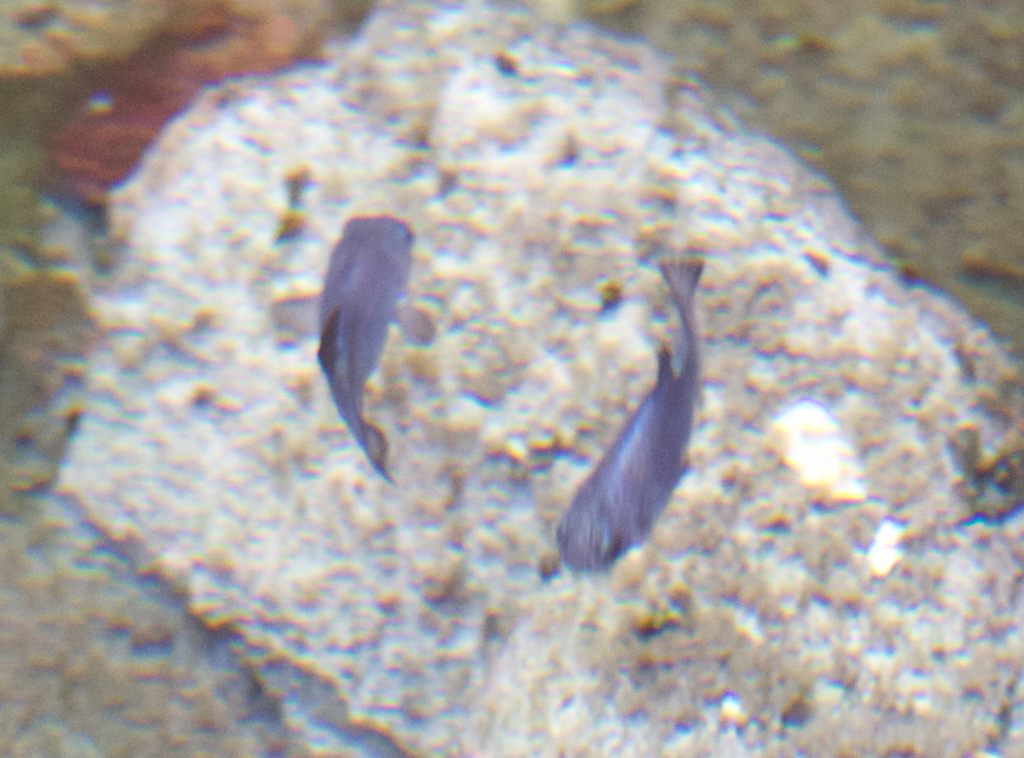
(c) Jonathan Eisen, some rights reserved (CC BY) · licence
Family: Cyprinodontidae · Class: Actinopterygii · Order: Cyprinodontiformes
Conservation status: G2T1 S1
Cyprinodon nevadensis nevadensis (Saratoga Springs pupfish) is a California animal in the Cyprinodontidae family.
The Saratoga Springs pupfish (Cyprinodon nevadensis nevadensis) is a small, endemic freshwater fish subspecies restricted to a single spring system in Death Valley National Park, California. Adults typically measure 25 to 50 mm (1.0 to 2.0 inches) in total length, with males generally larger than females. The body is deep and laterally compressed with a rounded caudal fin. Males develop distinctive breeding coloration during spawning season, displaying brilliant blue dorsal and lateral surfaces with yellow-orange fins and tail. Females and non-breeding males exhibit more subdued coloration with olive-brown backs and silvery sides. This subspecies occurs exclusively at Saratoga Springs in southeastern Inyo County, California, within Death Valley National Park. The species' range encompasses only the spring pool and its immediate outflow channels, covering less than one hectare of aquatic habitat. Historically, the subspecies may have occupied additional springs in the Death Valley region, but habitat loss has restricted it to this single location. Saratoga Springs pupfish inhabit warm, mineralized spring waters with temperatures ranging from 28 to 37°C (82 to 99°F). The spring maintains relatively constant flow and water levels year-round. Water chemistry includes elevated dissolved solids and specific mineral concentrations typical of desert spring systems. The fish occupy shallow areas with sandy and rocky substrates, often near emergent vegetation including bulrush and other hydrophytic plants that provide cover and spawning sites. As omnivorous opportunists, Saratoga Springs pupfish feed on algae, detritus, small invertebrates, and organic matter. Their diet varies seasonally based on food availability. Breeding occurs throughout the warmer months from April through September, with peak activity during summer. Males establish and defend territories in shallow water, displaying aggressive behavior toward competitors. Females deposit adhesive eggs on substrates including plant material and rocky surfaces. The species demonstrates physiological adaptations that allow tolerance to extreme temperature fluctuations and high salinity levels that would be lethal to most freshwater fish species. The subspecies' conservation status reflects its extremely restricted range and small population size. Current population estimates suggest fewer than 1,000 individuals inhabit the spring system. Primary threats include groundwater pumping that could reduce spring flow, habitat modification, water quality degradation, and potential introduction of non-native species. Climate change poses additional risks through altered precipitation patterns and increased temperatures. The isolated nature of the population makes it particularly vulnerable to stochastic events and genetic bottlenecks. Conservation efforts focus on habitat protection within Death Valley National Park and monitoring water levels and quality at Saratoga Springs.
Classification
Class: Actinopterygii · Order: Cyprinodontiformes · Family: Cyprinodontidae
Conservation status
G2T1 S1
Frequently asked questions
How is Cyprinodon nevadensis nevadensis classified?
Cyprinodon nevadensis nevadensis belongs to class Actinopterygii, order Cyprinodontiformes, family Cyprinodontidae.
What family does Cyprinodon nevadensis nevadensis belong to?
Cyprinodon nevadensis nevadensis is in the Cyprinodontidae family.
Is Cyprinodon nevadensis nevadensis protected or of conservation concern?
Cyprinodon nevadensis nevadensis carries the following status: G2T1 S1.
What is Cyprinodon nevadensis nevadensis?
The Saratoga Springs pupfish (Cyprinodon nevadensis nevadensis) is a small, endemic freshwater fish subspecies restricted to a single spring system in Death Valley National Park, California.
Is Cyprinodon nevadensis nevadensis found in California?
Yes. Cyprinodon nevadensis nevadensis is recorded in California in The California Species Project's catalogue.
Related species
Other California species in the same genus, family, or bioregion.
Data from The California Species Project — 14,000+ California species with verified data from CNPS, CDFW, USFWS, and more.