Cyprinodon nevadensis shoshone
Shoshone pupfish
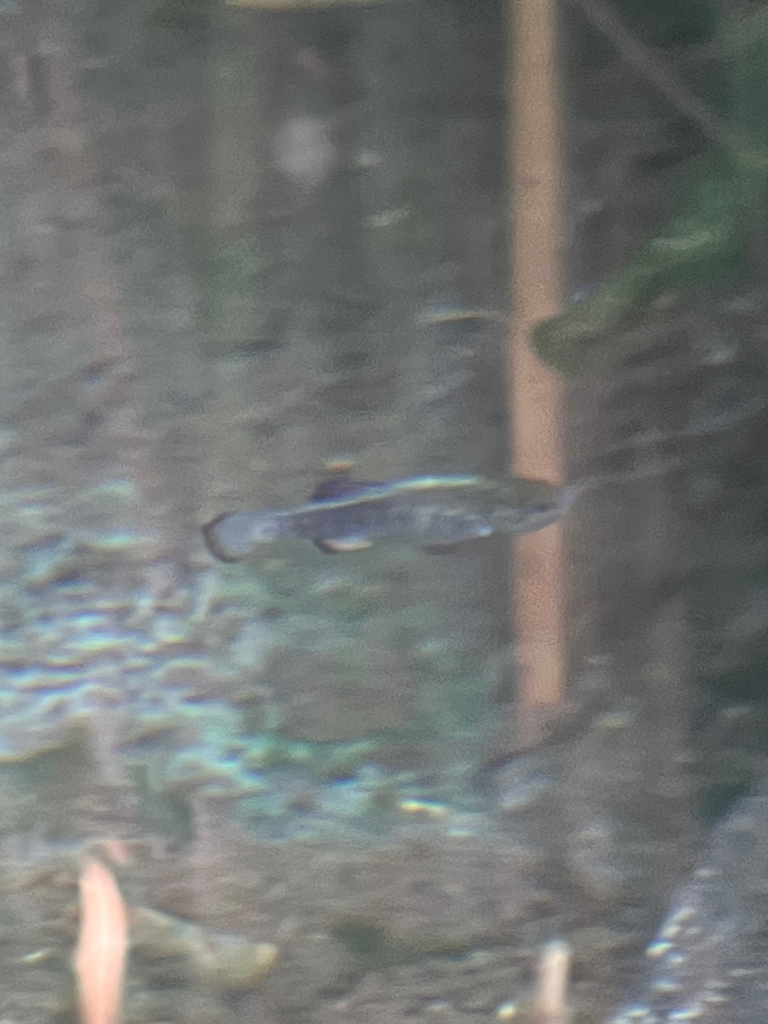
(c) harrier, some rights reserved (CC BY) · licence
Family: Cyprinodontidae · Class: Actinopterygii · Order: Cyprinodontiformes
Conservation status: G2T1 S1
Cyprinodon nevadensis shoshone (Shoshone pupfish) is a California animal in the Cyprinodontidae family.
The Shoshone pupfish (Cyprinodon nevadensis shoshone) is a small freshwater fish endemic to a single spring system in the Mojave Desert of California. Adults typically measure 25 to 50 mm (1.0 to 2.0 inches) in total length, with females generally larger than males. The body is deep and laterally compressed with a broad head and upturned mouth. Coloration varies seasonally and by sex, with breeding males developing bright blue sides and a yellow to orange dorsal fin. Females and non-breeding males are olive-brown to tan with darker vertical bars along the sides. The caudal fin is typically rounded, and the species has a relatively high number of gill rakers compared to other pupfish subspecies. The Shoshone pupfish is restricted to the Shoshone Springs system in Inyo County, California, located within Death Valley National Park near the town of Shoshone. This represents one of the most geographically restricted ranges of any North American fish species. The subspecies is endemic to this single location and does not occur elsewhere naturally. Historically, the population may have been connected to other pupfish populations during pluvial periods, but has been isolated for thousands of years. The species inhabits warm spring pools and associated outflow channels where water temperatures range from 30 to 36°C (86 to 97°F) year-round. These thermal springs emerge from deep groundwater sources and maintain relatively constant conditions. The habitat consists of shallow pools with sandy and muddy substrates, sparse aquatic vegetation, and areas of open water. Dissolved oxygen levels are typically low due to high water temperatures, and salinity is moderately high with total dissolved solids ranging from 3,000 to 4,000 parts per million. Shoshone pupfish are omnivorous, feeding on algae, detritus, small invertebrates, and occasionally their own eggs and larvae. Breeding occurs year-round due to stable thermal conditions, with peak spawning activity during spring and summer months. Males establish and defend small territories around suitable spawning sites. Females deposit adhesive eggs on substrates or vegetation, with clutch sizes typically ranging from 50 to 200 eggs. Development is rapid in the warm water, with larvae hatching in 4 to 6 days. Sexual maturity is reached within several months of hatching. The Shoshone pupfish has a global rank of G2T1 and state rank of S1, indicating it is critically imperiled. The extremely restricted range makes the population vulnerable to catastrophic events, habitat degradation, or groundwater depletion. Primary threats include groundwater pumping that could reduce spring flow, habitat modification, introduction of non-native species, and potential climate change impacts on groundwater systems. The population is monitored regularly, and the spring system receives protection within Death Valley National Park. Conservation efforts focus on maintaining habitat integrity and preventing introduction of invasive species that could compete with or prey upon this endemic subspecies.
Classification
Class: Actinopterygii · Order: Cyprinodontiformes · Family: Cyprinodontidae
Conservation status
G2T1 S1
Frequently asked questions
How is Cyprinodon nevadensis shoshone classified?
Cyprinodon nevadensis shoshone belongs to class Actinopterygii, order Cyprinodontiformes, family Cyprinodontidae.
What family does Cyprinodon nevadensis shoshone belong to?
Cyprinodon nevadensis shoshone is in the Cyprinodontidae family.
Is Cyprinodon nevadensis shoshone protected or of conservation concern?
Cyprinodon nevadensis shoshone carries the following status: G2T1 S1.
What is Cyprinodon nevadensis shoshone?
The Shoshone pupfish (Cyprinodon nevadensis shoshone) is a small freshwater fish endemic to a single spring system in the Mojave Desert of California.
Is Cyprinodon nevadensis shoshone found in California?
Yes. Cyprinodon nevadensis shoshone is recorded in California in The California Species Project's catalogue.
Related species
Other California species in the same genus, family, or bioregion.
Data from The California Species Project — 14,000+ California species with verified data from CNPS, CDFW, USFWS, and more.