Cyrtomoptera divisa
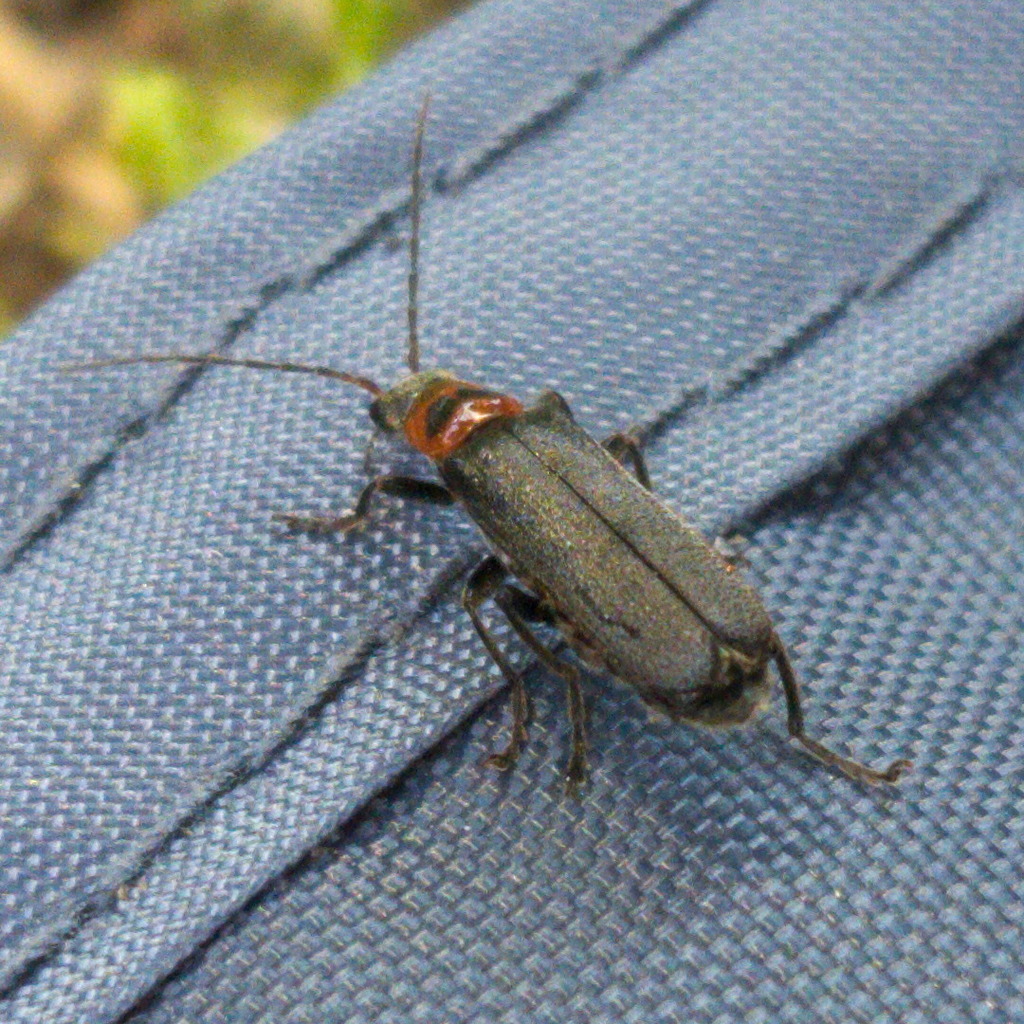
(c) Tynen Benson, some rights reserved (CC BY) · licence
Family: Cantharidae · Class: Insecta · Order: Coleoptera
Cyrtomoptera divisa is a California animal in the Cantharidae family.
Cyrtomoptera divisa is a beetle species in the family Cantharidae, commonly known as soldier beetles. As a member of the tribe Cantharini within this family, it belongs to a group of beetles typically characterized by soft, elongated bodies and predatory habits. However, detailed morphological descriptions of this species are not well documented in the available scientific literature. The current distribution of Cyrtomoptera divisa appears to be limited, though specific range information has not been comprehensively documented. The species is recognized in the U.S. Fish and Wildlife Service taxonomic database, indicating its occurrence within the United States, but detailed geographic distribution data remains largely undocumented in readily accessible sources. Habitat requirements for Cyrtomoptera divisa have not been well characterized in the scientific literature. Members of the Cantharidae family typically inhabit diverse terrestrial environments, often found on vegetation where they hunt for prey, but specific microhabitat preferences for this species remain unknown. Elevation ranges and vegetation associations have not been documented for this particular species. Like other cantharid beetles, Cyrtomoptera divisa is presumed to be predaceous, likely feeding on small arthropods and soft-bodied insects. Cantharidae species are generally considered beneficial insects due to their role as predators of potential pest species. However, specific prey preferences, feeding behavior, and hunting strategies for C. divisa have not been studied or reported. Reproductive biology, including mating behavior, oviposition sites, larval development, and seasonal activity patterns, remains undocumented for this species. The conservation status of Cyrtomoptera divisa has not been formally assessed. The species does not appear on federal or state endangered species lists, and no specific conservation concerns have been identified or documented. Population trends, threats, and conservation needs are unknown due to the lack of comprehensive biological and ecological studies. The absence of detailed information about this species' distribution, abundance, and ecological requirements makes it difficult to assess potential conservation issues or develop appropriate management strategies. The limited scientific documentation available for Cyrtomoptera divisa reflects a broader pattern common among many lesser-studied insect species. Comprehensive taxonomic, ecological, and biological studies are needed to better understand this species' role in California ecosystems and to determine if any conservation measures may be necessary. Future research priorities should include basic life history studies, distribution mapping, and habitat characterization to fill the substantial knowledge gaps that currently exist for this cantharid beetle species.
Classification
Class: Insecta · Order: Coleoptera · Family: Cantharidae
Frequently asked questions
How is Cyrtomoptera divisa classified?
Cyrtomoptera divisa belongs to class Insecta, order Coleoptera, family Cantharidae.
What family does Cyrtomoptera divisa belong to?
Cyrtomoptera divisa is in the Cantharidae family.
What is Cyrtomoptera divisa?
Cyrtomoptera divisa is a beetle species in the family Cantharidae, commonly known as soldier beetles.
Is Cyrtomoptera divisa found in California?
Yes. Cyrtomoptera divisa is recorded in California in The California Species Project's catalogue.
Related species
Other California species in the same genus, family, or bioregion.
Data from The California Species Project — 14,000+ California species with verified data from CNPS, CDFW, USFWS, and more.