Danaus plexippus
Monarch
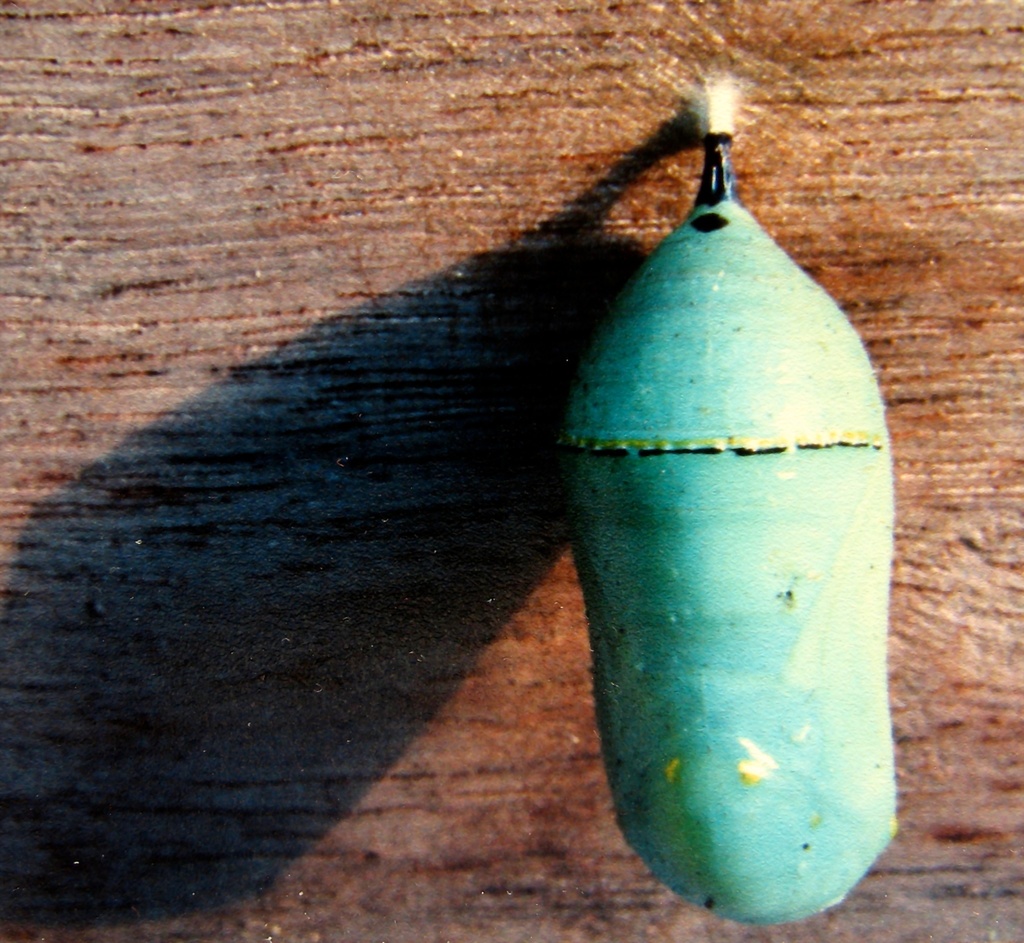
(c) Jon Sullivan, some rights reserved (CC BY) · licence
Family: Nymphalidae · Class: Insecta · Order: Lepidoptera
Danaus plexippus (Monarch) is a California animal in the Nymphalidae family.
The monarch butterfly is a large, distinctive lepidopteran with a wingspan ranging from 8.9 to 10.2 cm (3.5 to 4.0 inches). Males display bright orange wings with black veins and borders, plus distinctive black scent patches on the hindwings. Females are similar but lack the scent patches and have thicker black wing borders. Both sexes have white spots along the black wing borders and orange bodies with white spots. The underside of the hindwings is lighter orange with more prominent white spotting. Monarchs have one of the most extensive distributions of any butterfly species, ranging from southern Canada south through all of the United States, Central America, and most of South America. The species is also present in Australia, Hawaii, and other Pacific Islands. In North America, monarchs are divided into distinct populations: the eastern population migrates between breeding grounds across the eastern United States and Canada to overwintering sites in central Mexico, while the western population migrates between western breeding areas and coastal California overwintering sites. Monarchs inhabit open areas including fields, meadows, roadsides, and gardens where milkweed plants grow. The species requires two distinct habitat types: breeding habitat with milkweed host plants during spring and summer, and overwintering habitat with suitable microclimatic conditions. Eastern monarchs overwinter in oyamel fir forests at elevations of 3,000 to 3,500 meters in the mountains of central Mexico. Western monarchs overwinter in groves of eucalyptus, Monterey pine, and Monterey cypress along the California coast. Monarch larvae feed exclusively on milkweeds including common milkweed (Asclepias syriaca), swamp milkweed (A. incarnata), and showy milkweed (A. speciosa), as well as milkweed vine in tropical regions. Most milkweeds contain cardiac glycosides which are stored in the bodies of both caterpillars and adults. These compounds are distasteful and emetic to birds and other vertebrate predators. After tasting a monarch, predators associate the bright warning colors with an unpleasant meal and avoid monarchs in the future. Adults feed on nectar from various flowering plants. The species undergoes complete metamorphosis with four life stages. Eastern monarchs complete multiple generations during the breeding season, with the final generation undertaking a migration of up to 3,000 kilometers to Mexico. Monarch populations have experienced significant decline over recent decades. The U.S. Fish and Wildlife Service determined in December 2022 that listing the monarch under the Endangered Species Act is warranted but precluded by higher priority actions. According to USFWS surveys, the eastern population declined by approximately 85% between 1996 and 2014, while the western population declined by more than 95% since the 1980s. Primary threats include habitat loss due to agricultural practices and development, pesticide use, climate change affecting migration patterns, and loss of overwintering habitat. Conservation efforts focus on milkweed habitat restoration and protection of overwintering sites.
Classification
Class: Insecta · Order: Lepidoptera · Family: Nymphalidae
Frequently asked questions
How is Danaus plexippus classified?
Danaus plexippus belongs to class Insecta, order Lepidoptera, family Nymphalidae.
What family does Danaus plexippus belong to?
Danaus plexippus is in the Nymphalidae family.
What is Danaus plexippus?
The monarch butterfly is a large, distinctive lepidopteran with a wingspan ranging from 8.9 to 10.2 cm (3.5 to 4.0 inches).
Is Danaus plexippus found in California?
Yes. Danaus plexippus is recorded in California in The California Species Project's catalogue.
Related species
Other California species in the same genus, family, or bioregion.
Data from The California Species Project — 14,000+ California species with verified data from CNPS, CDFW, USFWS, and more.