Danaus plexippus plexippus pop. 1
Monarch - California overwintering population, Monarch
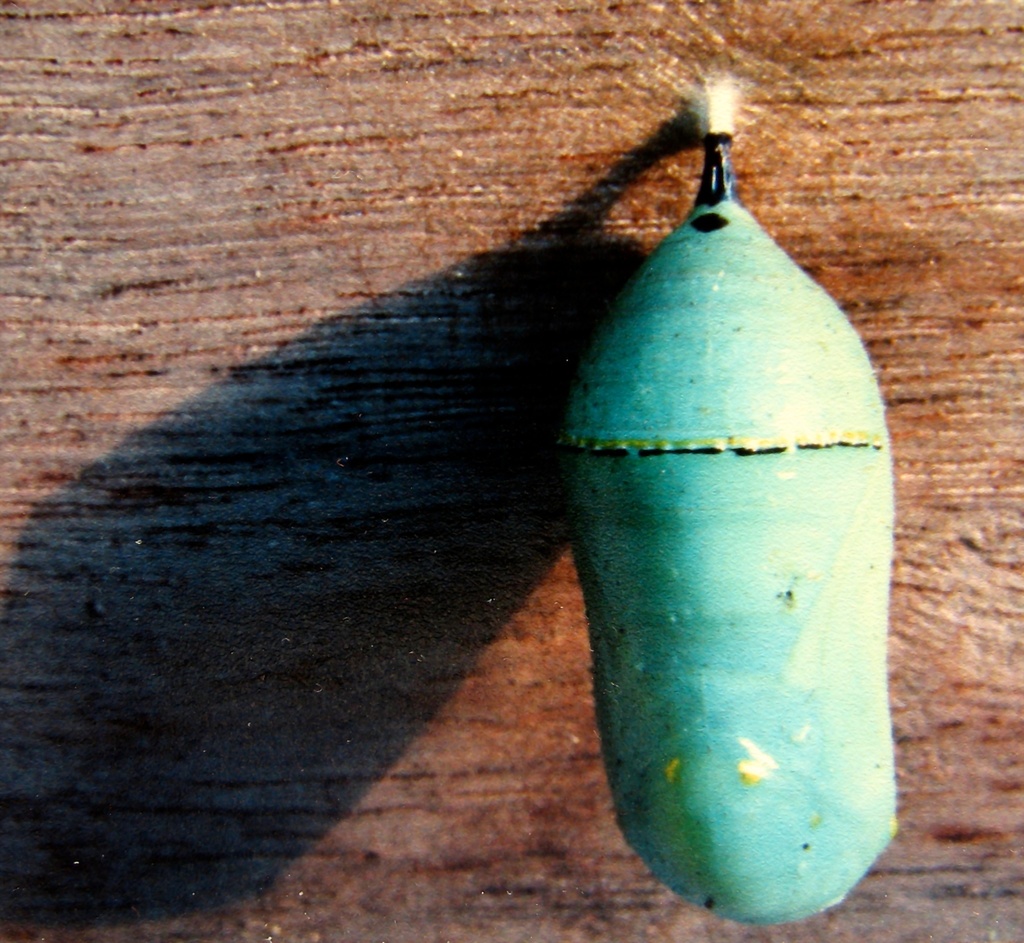
(c) Jon Sullivan, some rights reserved (CC BY) · licence
Family: Nymphalidae · Class: Insecta · Order: Lepidoptera
Conservation status: Proposed Threatened · G4T1T2Q S2
Danaus plexippus plexippus pop. 1 (Monarch - California overwintering population, Monarch) is a California animal in the Nymphalidae family.
The monarch butterfly (Danaus plexippus plexippus pop. 1) represents the western North American population that overwinters along the California coast. Adults display distinctive orange wings with black veins and borders, and white-spotted black wing margins. Males are distinguished by black scent patches on their hindwings and slightly narrower black wing borders. The wingspan typically ranges from 8.9 to 10.2 cm (3.5 to 4.0 inches). The California overwintering population historically ranged throughout western North America, from British Columbia to Baja California and inland to the Rocky Mountains. During fall migration, these monarchs converge on coastal California overwintering sites extending from Mendocino County south to San Diego County. The population also includes smaller overwintering aggregations in Arizona and southeastern California. Breeding habitat encompasses areas west of the Rocky Mountains, spanning from Arizona and New Mexico north to Idaho, Washington, and southern British Columbia. Overwintering monarchs cluster in groves of blue gum eucalyptus (Eucalyptus globulus), Monterey pine (Pinus radiata), and Monterey cypress (Cupressus macrocarpa) trees along the California coast. These sites provide the specific microclimate conditions necessary for overwinter survival, including protection from wind and rain while maintaining temperatures between 5-15°C (41-59°F). During the breeding season, monarchs inhabit diverse habitats including grasslands, agricultural areas, roadsides, and gardens where milkweed species occur. Monarch larvae feed exclusively on milkweed plants (Asclepias spp.), which provide toxic compounds that make both caterpillars and adults unpalatable to predators. Adults are generalist nectar feeders, utilizing various flowering plants throughout their range. The western population exhibits a unique migratory pattern, with individuals living 6-8 months to complete the fall migration and overwintering period. After overwintering, monarchs disperse inland to breed, with subsequent generations gradually expanding the breeding range northward through spring and summer before the final generation returns to coastal California. The U.S. Fish and Wildlife Service proposed listing this population as threatened under the Endangered Species Act in 2024. Historical population estimates ranged from 1-10 million overwintering butterflies in the 1980s, but recent counts have documented severe declines. The population crashed to fewer than 2,000 individuals during the 2020-21 overwintering season before rebounding to over 300,000 in 2022-23 (Xerces Society). By 2020, no overwintering sites hosted more than 1,000 individuals, compared to 83 sites in the early 2000s. Population viability models indicate a 60-68% probability of extinction within 10 years under current conditions. Primary threats include habitat loss at breeding and overwintering sites, pesticide exposure, climate change effects on overwintering microclimates, and reduced milkweed availability due to agricultural practices and herbicide use.
Classification
Class: Insecta · Order: Lepidoptera · Family: Nymphalidae
Conservation status
Proposed Threatened · G4T1T2Q S2
Frequently asked questions
How is Danaus plexippus plexippus pop. 1 classified?
Danaus plexippus plexippus pop. 1 belongs to class Insecta, order Lepidoptera, family Nymphalidae.
What family does Danaus plexippus plexippus pop. 1 belong to?
Danaus plexippus plexippus pop. 1 is in the Nymphalidae family.
Is Danaus plexippus plexippus pop. 1 protected or of conservation concern?
Danaus plexippus plexippus pop. 1 carries the following status: Proposed Threatened · G4T1T2Q S2.
What is Danaus plexippus plexippus pop. 1?
The monarch butterfly (Danaus plexippus plexippus pop.
Is Danaus plexippus plexippus pop. 1 found in California?
Yes. Danaus plexippus plexippus pop. 1 is recorded in California in The California Species Project's catalogue.
Related species
Other California species in the same genus, family, or bioregion.
Data from The California Species Project — 14,000+ California species with verified data from CNPS, CDFW, USFWS, and more.