Dargida procinctus
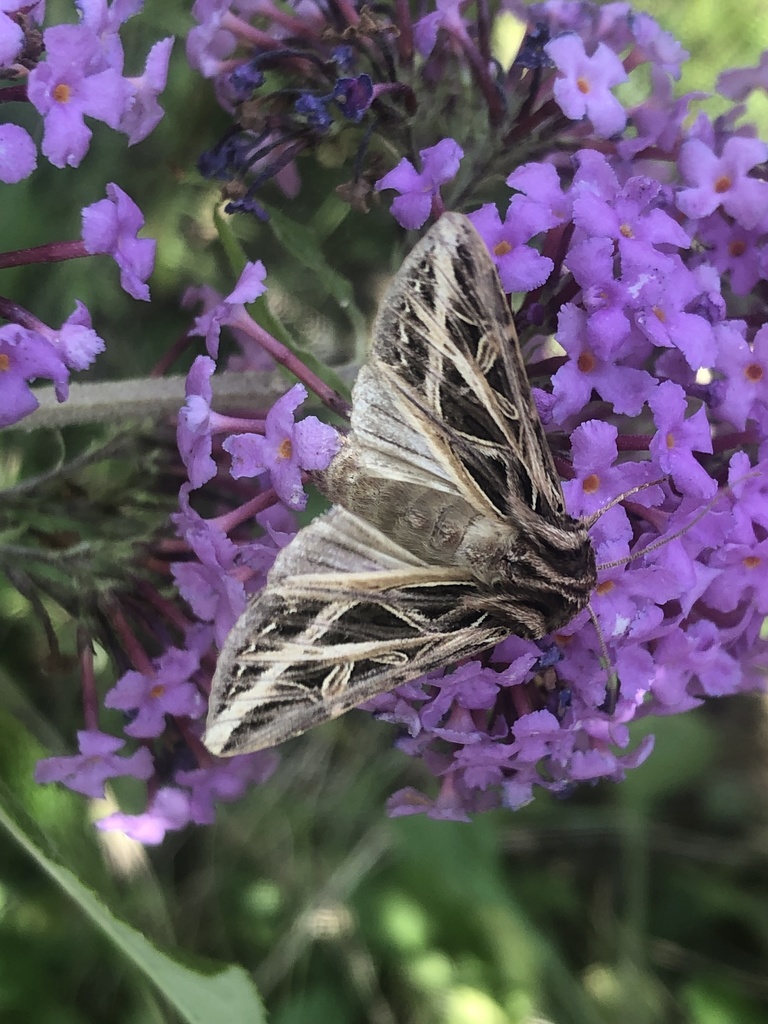
(c) birdspaz, some rights reserved (CC BY-SA) · licence
Family: Noctuidae · Class: Insecta · Order: Lepidoptera
Dargida procinctus is a California animal in the Noctuidae family.
Dargida procinctus is a moth species in the family Noctuidae, commonly known as the olive arches. Adults are medium-sized moths with forewings typically measuring 15-18 mm in length. The forewings are pale olive-brown to grayish-brown with distinctive darker brown markings, including prominent reniform and orbicular spots characteristic of noctuids. The hindwings are pale gray to whitish with darker veining. Males can be distinguished from females by their more feathery antennae and slightly smaller size. This species occurs across much of western North America, with records from British Columbia south through California, Nevada, Utah, Colorado, and extending into northern Mexico. In California, Dargida procinctus has been documented from various counties including those in the Central Valley, Sierra Nevada foothills, and coastal regions. The species appears to have a relatively broad distribution within suitable habitat throughout the state. Dargida procinctus inhabits areas with oak woodlands, chaparral, and mixed grassland-shrub communities. The species is typically found at elevations ranging from near sea level to approximately 1,500 meters (4,900 feet). Adults are attracted to native flowering plants and are often collected at light traps during moth surveys. The habitat requirements appear closely tied to the presence of suitable host plants and adequate moisture levels during larval development. Adults are nocturnal and most active during warm evenings from late spring through early fall, with peak flight periods varying by location and elevation. In California, adults are typically observed from May through September, with possible multiple generations per year in warmer areas. Larvae are believed to feed on various herbaceous plants and grasses, though specific host plant relationships for this species require further documentation. Like other noctuid moths, females deposit eggs on or near host plants, and larvae develop through several instars before pupating in soil or leaf litter. Dargida procinctus is not currently listed under federal or state endangered species legislation. The species appears to maintain stable populations across much of its range, though comprehensive population monitoring has not been conducted. As with many moth species, potential threats may include habitat loss from urban development, agricultural conversion, and altered fire regimes in natural areas. Climate change could affect the species through shifts in host plant distributions and changes in precipitation patterns that influence larval survival. The species' relatively broad habitat tolerance and distribution suggest it may be less vulnerable than more specialized moths, but continued monitoring would be valuable to assess long-term population trends.
Classification
Class: Insecta · Order: Lepidoptera · Family: Noctuidae
Frequently asked questions
How is Dargida procinctus classified?
Dargida procinctus belongs to class Insecta, order Lepidoptera, family Noctuidae.
What family does Dargida procinctus belong to?
Dargida procinctus is in the Noctuidae family.
What is Dargida procinctus?
Dargida procinctus is a moth species in the family Noctuidae, commonly known as the olive arches.
Is Dargida procinctus found in California?
Yes. Dargida procinctus is recorded in California in The California Species Project's catalogue.
Related species
Other California species in the same genus, family, or bioregion.
Data from The California Species Project — 14,000+ California species with verified data from CNPS, CDFW, USFWS, and more.