Deltaspis ivae
Marsh-elder Long- Horned Beetle
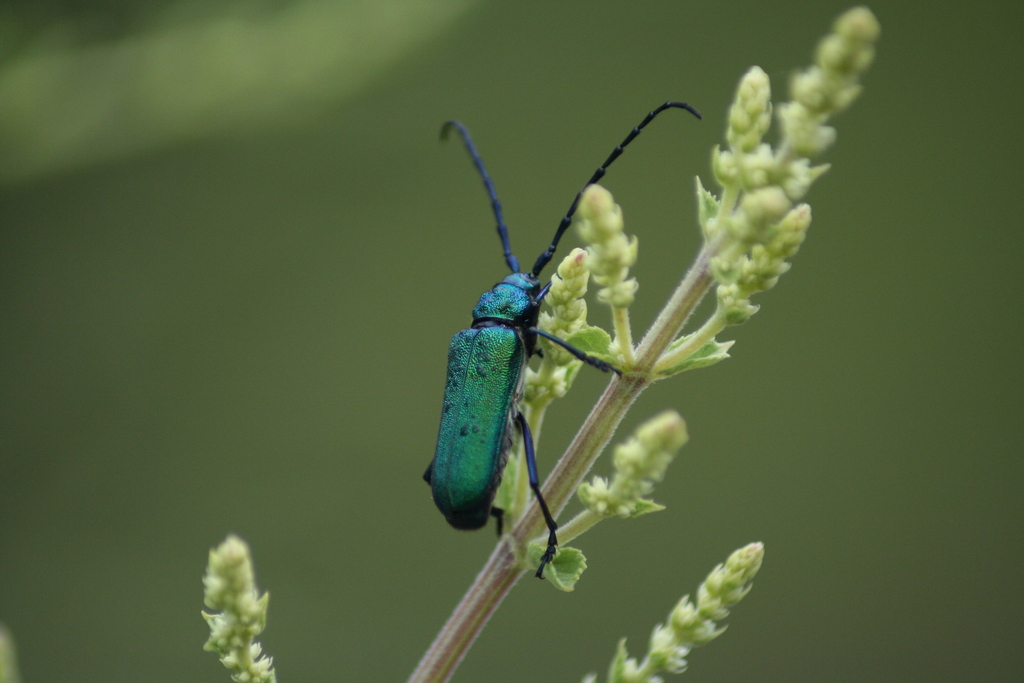
(c) Luis F. Ramírez, some rights reserved (CC BY) · licence
Family: Cerambycidae · Class: Insecta · Order: Coleoptera
Conservation status: G1 S1
Deltaspis ivae (Marsh-elder Long- Horned Beetle) is a California animal in the Cerambycidae family.
The marsh-elder long-horned beetle (Deltaspis ivae) is a small, specialized longhorn beetle endemic to southern California. This species belongs to the family Cerambycidae, subfamily Cerambycinae and the tribe Trachyderini, characterized by emarginate-truncate mandibles. Recent taxonomic revision by Eya (2019) has transferred this species to a new genus, Neoxoplus, though the name Deltaspis ivae remains in current use pending formal adoption. The marsh-elder long-horned beetle occurs in scattered locations across San Diego and Riverside counties in southern California. The species has an extremely limited distribution, reflected in its Global Conservation Status Rank of G1 (critically imperiled globally) and State Conservation Status Rank of S1 (critically imperiled in California). Historical records suggest the species may have had a broader range, but current populations are restricted to areas where its obligate host plant persists. This beetle exhibits a highly specialized habitat association, being entirely dependent on marsh-elder (Iva hayesiana) for larval development. The species typically occurs in coastal sage scrub and chaparral communities where Iva hayesiana grows naturally. These habitats are characterized by Mediterranean climate conditions with dry summers and mild, wet winters. The beetle's distribution closely mirrors that of its host plant, which grows in sandy washes, stream terraces, and disturbed areas within the coastal plain and foothills of southern California. The marsh-elder long-horned beetle displays typical cerambycid life history characteristics, with larvae developing within the root collar region of Iva hayesiana plants. The larval stage involves boring into and feeding on the woody tissues of the host plant's root system and lower stem area. Adult beetles likely emerge during specific seasons, though detailed phenology data for this species remains undocumented in available scientific literature. As with many longhorn beetles, adults probably feed on flowers or foliage, while mating and egg-laying activities center around host plants. The conservation status of the marsh-elder long-horned beetle reflects the precarious nature of both the species and its habitat. Urban development, habitat fragmentation, and degradation of coastal sage scrub communities pose primary threats to remaining populations. The species' complete dependence on Iva hayesiana makes it particularly vulnerable to any factors affecting the host plant, including invasive species, altered fire regimes, and climate change impacts. The extremely limited number of known locations and small population sizes place this species at high risk of extinction. Given the critical conservation status and limited scientific knowledge available for this species, targeted research is needed to better understand population dynamics, habitat requirements, and effective conservation strategies. This species is included on the California Department of Fish and Wildlife's Special Animals List. Protection of remaining Iva hayesiana populations and their associated habitats is essential for the long-term survival of the marsh-elder long-horned beetle. The species exemplifies the conservation challenges facing many specialized insects with narrow host plant associations in California's rapidly developing coastal regions.
Classification
Class: Insecta · Order: Coleoptera · Family: Cerambycidae
Conservation status
G1 S1
Frequently asked questions
How is Deltaspis ivae classified?
Deltaspis ivae belongs to class Insecta, order Coleoptera, family Cerambycidae.
What family does Deltaspis ivae belong to?
Deltaspis ivae is in the Cerambycidae family.
Is Deltaspis ivae protected or of conservation concern?
Deltaspis ivae carries the following status: G1 S1.
What is Deltaspis ivae?
The marsh-elder long-horned beetle (Deltaspis ivae) is a small, specialized longhorn beetle endemic to southern California.
Is Deltaspis ivae found in California?
Yes. Deltaspis ivae is recorded in California in The California Species Project's catalogue.
Related species
Other California species in the same genus, family, or bioregion.
Data from The California Species Project — 14,000+ California species with verified data from CNPS, CDFW, USFWS, and more.