Dendragapus fuliginosus
Sooty Grouse
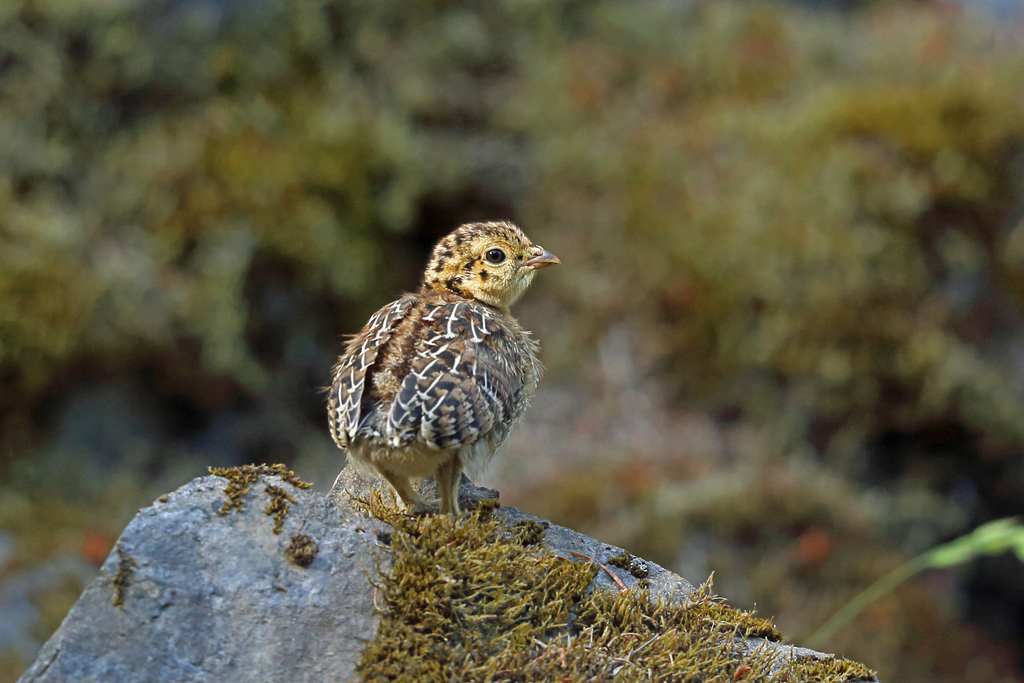
(c) Nigel Voaden, some rights reserved (CC BY) · licence
Family: Phasianidae · Class: Aves · Order: Galliformes
Dendragapus fuliginosus (Sooty Grouse) is a California animal in the Phasianidae family.
The Sooty Grouse is a large gallinaceous bird native to mountainous regions of western North America. Adults measure 38 to 51 cm (15 to 20 inches) in length and weigh 680 to 1,400 grams (1.5 to 3.1 pounds), with males typically larger than females. Males display dark gray to blackish plumage with a distinctive inflatable neck sac that ranges from purple to orange-red during breeding displays. Females are mottled brown and gray with barring patterns that provide effective camouflage. Both sexes have feathered legs and feet, an adaptation for cold mountain environments. Sooty Grouse range from southeastern Alaska south through British Columbia to California, with populations extending east to western Montana and Colorado. In California, the species occurs primarily in the Sierra Nevada, Cascade Range, Coast Ranges, and Transverse Ranges. The species inhabits elevations from near sea level in northern coastal areas to over 3,350 meters (11,000 feet) in the Sierra Nevada. California populations represent the southern extent of the species' range. The species occupies coniferous and mixed forests, preferring areas with dense canopy cover and understory vegetation. During breeding season, Sooty Grouse utilize lower elevation forests dominated by Douglas fir, white fir, and pine species. They require areas with fallen logs, dense shrubs, and forest openings for foraging and nesting. In winter, birds move to higher elevations, roosting in large conifers and feeding primarily on conifer needles. This altitudinal migration pattern is unusual among grouse species, as most move to lower elevations in winter. Sooty Grouse are largely terrestrial but roost in trees, particularly during winter months. Males establish territories in spring and perform elaborate courtship displays involving deep, resonant hooting calls that can carry over long distances. Females construct ground nests concealed under logs, rocks, or dense vegetation, typically laying 5 to 10 buff-colored eggs with brown spots. Incubation lasts 24 to 28 days, with chicks precocial and capable of following the hen within hours of hatching. Diet varies seasonally, consisting of leaves, buds, berries, and insects during warmer months, shifting to conifer needles in winter. Young birds consume primarily insects and other invertebrates for protein during rapid growth phases. Sooty Grouse are not federally or state listed and maintain stable populations across most of their range. The species is classified as Least Concern by the International Union for Conservation of Nature. Primary threats include habitat loss from logging, urban development, and wildfire, though the species demonstrates adaptability to moderate levels of forest management. Climate change may affect the species through altered precipitation patterns and temperature regimes that influence forest composition and food availability. Hunting is regulated through state game management programs, with the species supporting recreational hunting opportunities in several western states.
Classification
Class: Aves · Order: Galliformes · Family: Phasianidae
Frequently asked questions
How is Dendragapus fuliginosus classified?
Dendragapus fuliginosus belongs to class Aves, order Galliformes, family Phasianidae.
What family does Dendragapus fuliginosus belong to?
Dendragapus fuliginosus is in the Phasianidae family.
What is Dendragapus fuliginosus?
The Sooty Grouse is a large gallinaceous bird native to mountainous regions of western North America.
Is Dendragapus fuliginosus found in California?
Yes. Dendragapus fuliginosus is recorded in California in The California Species Project's catalogue.
Related species
Other California species in the same genus, family, or bioregion.
Data from The California Species Project — 14,000+ California species with verified data from CNPS, CDFW, USFWS, and more.