Dendrocygna autumnalis
Black-bellied Whistling-Duck
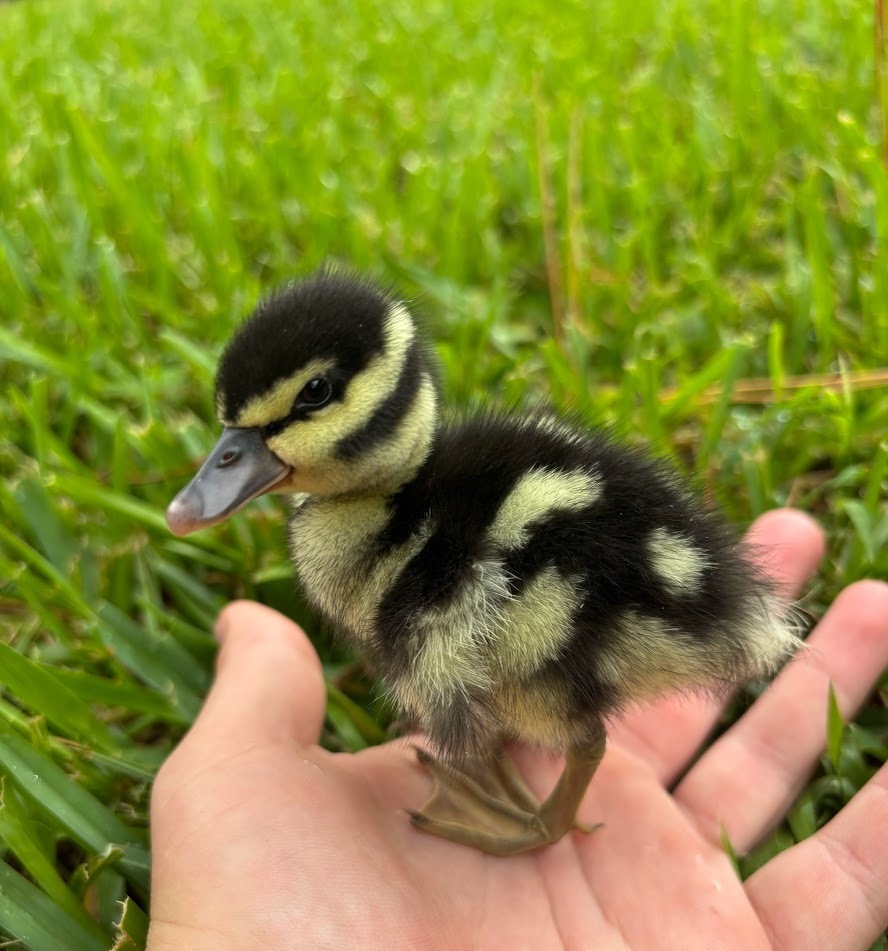
(c) Josiah Londerée, some rights reserved (CC BY) · licence
Family: Anatidae · Class: Aves · Order: Anseriformes
Dendrocygna autumnalis (Black-bellied Whistling-Duck) is a California animal in the Anatidae family.
The Black-bellied Whistling-Duck is a medium-sized waterfowl measuring 48 to 53 cm (19 to 21 inches) in length with a wingspan of 76 to 94 cm (30 to 37 inches). Adults weigh between 652 to 1,020 grams (1.4 to 2.2 pounds). The species displays distinctive plumage with a bright red-orange bill and legs, a gray face and neck, and a rich chestnut breast. The belly and undertail coverts are black, giving the species its common name. A broad white wing stripe is visible in flight. Both sexes appear similar, though males are typically slightly larger. Juveniles display duller coloration with a dark bill and legs. Historically uncommon in California, Black-bellied Whistling-Ducks have expanded their range northward from traditional strongholds in Mexico and Central America. The species now occurs regularly in southern Texas and has established breeding populations in Arizona. In California, the species appears primarily as a vagrant, with most records from the Imperial Valley, Salton Sea region, and southern Central Valley. Sightings have been documented from San Diego County north to the Sacramento Valley, though breeding in California remains rare and irregular. Black-bellied Whistling-Ducks inhabit freshwater marshes, ponds, lakes, and agricultural areas with nearby trees for nesting. The species shows strong preference for areas with emergent vegetation and shallow water for foraging. Unlike most waterfowl, they commonly perch and nest in trees, particularly favoring mesquite, oak, and other large trees with suitable cavities. They also utilize nest boxes and may nest on the ground when tree cavities are unavailable. Elevation ranges from sea level to approximately 1,500 meters (4,900 feet). The species exhibits unique behavioral characteristics among North American waterfowl. Black-bellied Whistling-Ducks are primarily nocturnal feeders, consuming seeds, grains, and aquatic vegetation. Their diet includes corn, rice, sorghum, and various marsh plants. Breeding typically occurs from April through August, with pairs forming long-term bonds. Females lay 9 to 18 white eggs in tree cavities, nest boxes, or ground nests. Incubation lasts 25 to 30 days, with both parents participating. The species produces distinctive whistling calls, particularly noticeable during flight. They form large flocks outside the breeding season and may roost communally in trees. The Black-bellied Whistling-Duck is not federally listed and maintains stable populations throughout most of its range. The International Union for Conservation of Nature classifies the species as Least Concern globally. Population estimates suggest approximately 1.2 million individuals across North and Central America. While expanding northward, the species faces threats from habitat loss, hunting pressure in some regions, and competition for nest sites. Climate change may facilitate continued range expansion into new areas. In California, the species remains uncommon but appears to be increasing in frequency, particularly in agricultural areas of the Imperial Valley and southern Central Valley.
Classification
Class: Aves · Order: Anseriformes · Family: Anatidae
Frequently asked questions
How is Dendrocygna autumnalis classified?
Dendrocygna autumnalis belongs to class Aves, order Anseriformes, family Anatidae.
What family does Dendrocygna autumnalis belong to?
Dendrocygna autumnalis is in the Anatidae family.
What is Dendrocygna autumnalis?
The Black-bellied Whistling-Duck is a medium-sized waterfowl measuring 48 to 53 cm (19 to 21 inches) in length with a wingspan of 76 to 94 cm (30 to 37 inches).
Is Dendrocygna autumnalis found in California?
Yes. Dendrocygna autumnalis is recorded in California in The California Species Project's catalogue.
Related species
Other California species in the same genus, family, or bioregion.
Data from The California Species Project — 14,000+ California species with verified data from CNPS, CDFW, USFWS, and more.