Dendronotus subramosus
Stubby Dendronotid
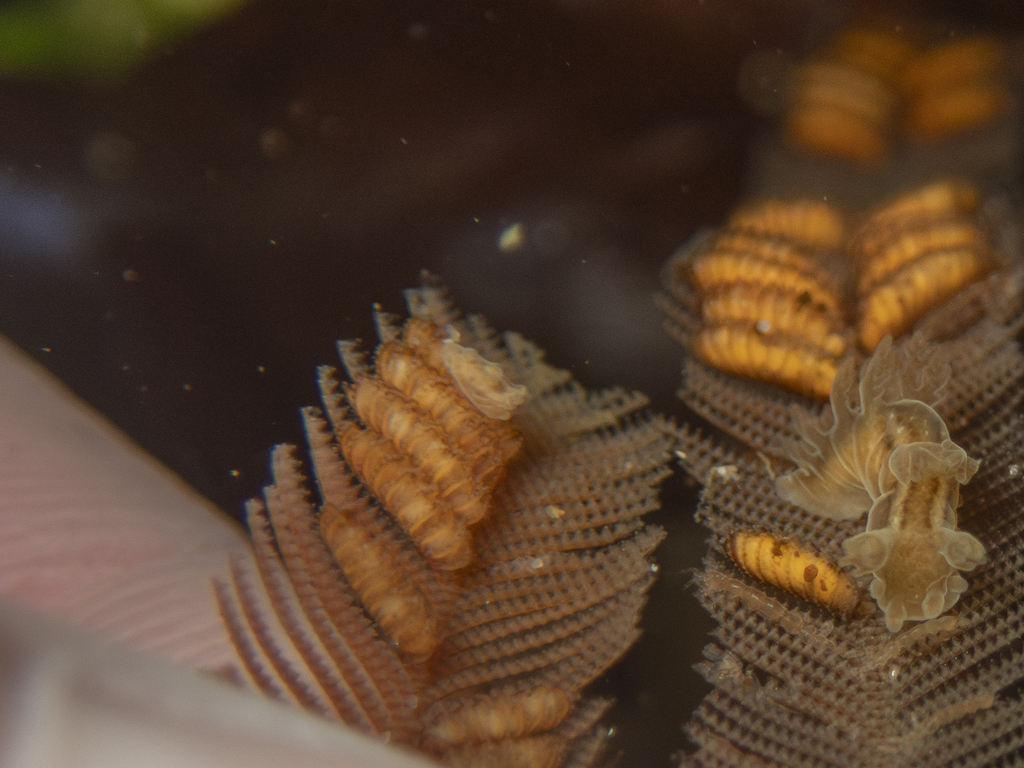
(c) Nathan, some rights reserved (CC BY) · licence
Family: Dendronotidae · Class: Gastropoda · Order: Nudibranchia
Dendronotus subramosus (Stubby Dendronotid) is a California animal in the Dendronotidae family.
The stubby dendronotid (Dendronotus subramosus) is a marine nudibranch mollusk belonging to the family Dendronotidae. This sea slug is characterized by its classification within the order Nudibranchia, suborder Cladobranchia, which encompasses shell-less gastropods with external gills arranged as cerata or other projections along the body. The species name 'subramosus' refers to its branched or somewhat branched appearance, typical of dendronotid nudibranchs. Like other members of its genus, D. subramosus likely possesses the characteristic dendronotid body plan with branched cerata that function as both respiratory and digestive organs. The geographic range of Dendronotus subramosus includes marine waters along the Pacific Coast, though specific distribution data for this species remains poorly documented. The genus Dendronotus is known from temperate marine environments, suggesting this species likely inhabits similar coastal waters. Current taxonomic databases maintained by the U.S. Fish and Wildlife Service recognize the species as valid, though detailed range maps and occurrence records are not readily available in scientific literature. Habitat requirements for D. subramosus have not been thoroughly documented in available scientific sources. Based on the ecology of related dendronotid species, this nudibranch likely inhabits subtidal marine environments, potentially associated with rocky reefs, kelp forests, or other structured marine habitats. Dendronotid nudibranchs typically occur from shallow subtidal zones to moderate depths, often in areas with abundant hydroid colonies which serve as their primary food source. The ecological behavior and life history of D. subramosus remain largely unstudied. Like other dendronotid nudibranchs, this species is presumably a specialized predator of cnidarians, particularly hydroids. Dendronotids are known for their ability to sequester stinging cells (nematocysts) from their hydroid prey and incorporate them into their cerata for defense. Reproduction likely follows the typical nudibranch pattern of hermaphroditic mating with external fertilization and planktonic larval development. No federal or state conservation listing status has been assigned to Dendronotus subramosus as of December 2025. The species does not appear in current USFWS endangered species databases or California Department of Fish and Wildlife special status species lists. This absence from conservation databases may reflect either the species' stable population status or the lack of sufficient data to assess conservation needs. Marine nudibranchs face general threats from ocean acidification, warming sea temperatures, and habitat degradation, though specific impacts on D. subramosus populations are unknown. Scientific documentation for this species remains extremely limited despite thorough database searches. The information presented here synthesizes available taxonomic records from federal databases and general knowledge of dendronotid ecology. Comprehensive studies of this species' distribution, habitat requirements, and population status are needed to better understand its conservation needs and ecological role in Pacific marine ecosystems.
Classification
Class: Gastropoda · Order: Nudibranchia · Family: Dendronotidae
Frequently asked questions
How is Dendronotus subramosus classified?
Dendronotus subramosus belongs to class Gastropoda, order Nudibranchia, family Dendronotidae.
What family does Dendronotus subramosus belong to?
Dendronotus subramosus is in the Dendronotidae family.
What is Dendronotus subramosus?
The stubby dendronotid (Dendronotus subramosus) is a marine nudibranch mollusk belonging to the family Dendronotidae.
Is Dendronotus subramosus found in California?
Yes. Dendronotus subramosus is recorded in California in The California Species Project's catalogue.
Related species
Other California species in the same genus, family, or bioregion.
Data from The California Species Project — 14,000+ California species with verified data from CNPS, CDFW, USFWS, and more.