Depressaria alienella
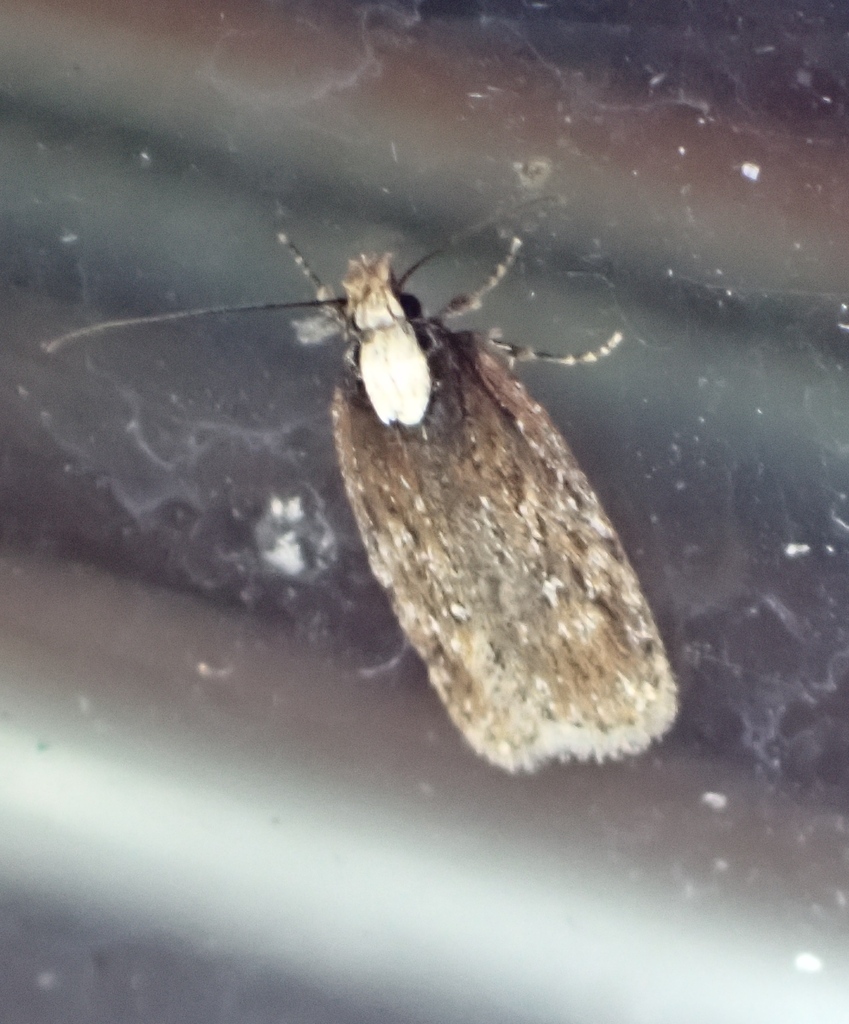
no rights reserved · CC0
Family: Depressariidae · Class: Insecta · Order: Lepidoptera
Depressaria alienella is a California animal in the Depressariidae family.
Depressaria alienella is a moth in the family Depressariidae, one of the smaller families within the order Lepidoptera. This species belongs to the genus Depressaria, which comprises numerous small to medium-sized moths found across North America and other regions. The taxonomic placement within Depressariidae indicates this is a microlepidopteran, typically characterized by narrow wings and reduced wing venation compared to larger moth families. Physical characteristics of Depressaria alienella follow the general morphology of the genus, with adults likely measuring 8 to 15 millimeters in wingspan. Moths in this genus typically display muted coloration with forewings ranging from pale gray to brown, often with subtle markings or striations. The hindwings are usually lighter in color and may appear somewhat translucent. Antennae are filiform in both sexes, and the proboscis is well-developed for nectar feeding. The current distribution of Depressaria alienella in California remains poorly documented, with limited occurrence records available in scientific literature. The species appears to have a restricted range within the state, though specific locality data are scarce. Many Depressaria species demonstrate patchy distributions tied to the availability of their host plants, suggesting this species may occur in localized populations where suitable conditions exist. Habitat requirements for Depressaria alienella likely correspond to areas supporting appropriate larval host plants. Members of the genus Depressaria commonly utilize plants in the families Apiaceae, Asteraceae, or other herbaceous families. The species may inhabit grasslands, chaparral margins, or woodland openings where host plants occur. Elevation preferences remain undocumented, though many California Depressaria species occupy foothill and montane zones. Larval development in Depressaria species typically involves feeding within folded or webbed leaves of the host plant, creating characteristic feeding shelters. Adults are primarily nocturnal and attracted to artificial lights. Flight periods vary among species but commonly occur during spring and summer months in California. Females deposit eggs singly or in small clusters on or near host plant foliage. The conservation status of Depressaria alienella is not formally assessed by federal or state agencies. The species lacks designated conservation rankings from NatureServe or other biodiversity databases, reflecting the limited ecological and distributional knowledge available. Like many microlepidoptera, this species may face threats from habitat loss, particularly if associated with specialized host plants in areas subject to development or agricultural conversion. Climate change could affect both the species and its host plants through altered precipitation patterns and temperature regimes. The apparent rarity of collection records suggests either genuine scarcity or insufficient survey effort for this inconspicuous moth. Targeted surveys using appropriate collection methods, including light trapping and host plant examination, would improve understanding of the species' status and distribution in California.
Classification
Class: Insecta · Order: Lepidoptera · Family: Depressariidae
Frequently asked questions
How is Depressaria alienella classified?
Depressaria alienella belongs to class Insecta, order Lepidoptera, family Depressariidae.
What family does Depressaria alienella belong to?
Depressaria alienella is in the Depressariidae family.
What is Depressaria alienella?
Depressaria alienella is a moth in the family Depressariidae, one of the smaller families within the order Lepidoptera.
Is Depressaria alienella found in California?
Yes. Depressaria alienella is recorded in California in The California Species Project's catalogue.
Related species
Other California species in the same genus, family, or bioregion.
Data from The California Species Project — 14,000+ California species with verified data from CNPS, CDFW, USFWS, and more.