Depressaria betina
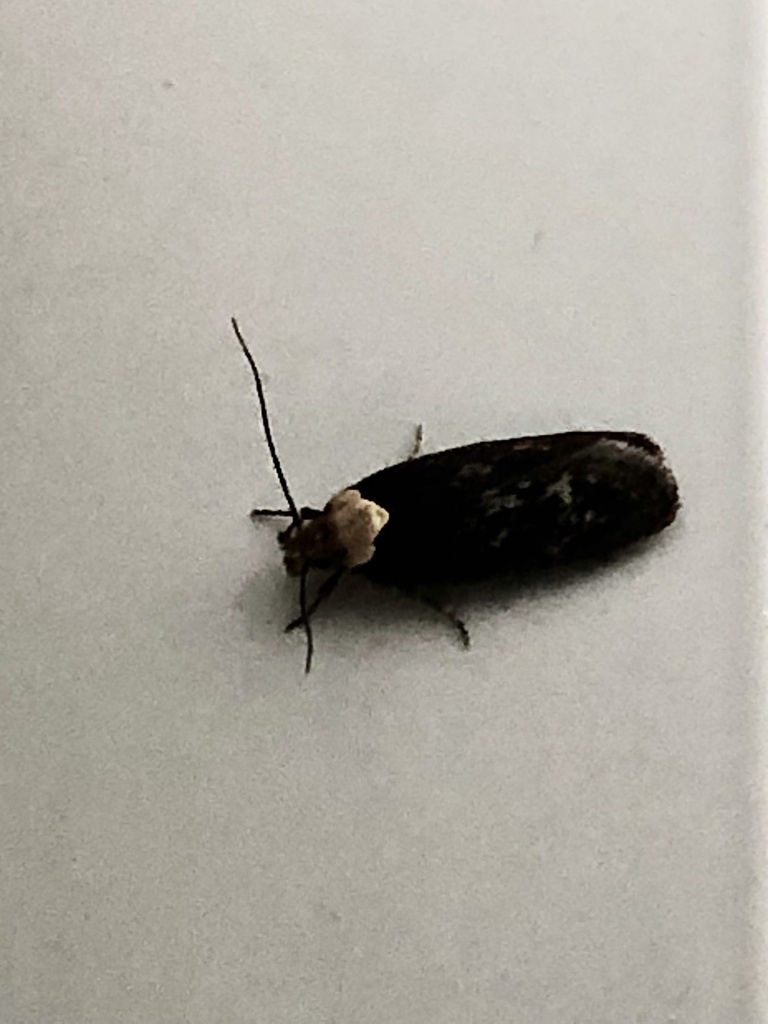
(c) Andrew Sebastian, some rights reserved (CC BY) · licence
Family: Depressariidae · Class: Insecta · Order: Lepidoptera
Depressaria betina is a California animal in the Depressariidae family.
Depressaria betina is a small moth species in the family Depressariidae, one of the lesser-known microlepidoptera found in North America. Adult moths typically measure 8 to 12 mm in wingspan, with forewings displaying a mottled pattern of brown, gray, and pale yellow scales. The forewings are elongated and narrow, characteristic of the Depressaria genus, with indistinct darker markings that may form weak transverse bands. The hindwings are typically pale gray to whitish with long fringe scales along the margins. The head bears scaled palps that project forward, and the antennae are thread-like in both sexes. The distribution and range of Depressaria betina remain poorly documented in the scientific literature. Like many microlepidoptera, this species likely has a restricted distribution within specific ecological zones. Members of the Depressaria genus are generally found across temperate regions of North America, with individual species often showing narrow geographic ranges tied to their host plant associations. Without comprehensive survey data, the full extent of this species' California distribution cannot be definitively established. Habitat preferences for Depressaria betina are inferred from related species within the genus, which typically inhabit areas where their specific host plants occur. Depressaria moths are generally associated with herbaceous plant communities, including grasslands, meadows, and forest edges where umbellifer and other flowering plant families are present. The species likely requires intact plant communities that support both larval development and adult nectar sources. Elevation preferences and specific microhabitat requirements remain undocumented. The life cycle of Depressaria betina follows the typical pattern for Depressariidae moths, with larvae likely feeding as leaf miners or stem borers within their host plants. Adult flight periods are unknown but likely occur during warmer months when host plants are actively growing. Larvae probably overwinter in plant debris or soil, pupating in spring before adult emergence. Like other Depressaria species, adults are likely nocturnal and attracted to artificial light sources. Specific reproductive behavior, including mating patterns and oviposition preferences, has not been documented for this species. The conservation status of Depressaria betina cannot be assessed due to insufficient data on population size, trends, and distribution. This species exemplifies the challenges facing microlepidoptera conservation, where many species remain poorly studied despite potentially facing threats from habitat loss, agricultural intensification, and climate change. The lack of comprehensive surveys for small moth species means that population trends and conservation needs remain unknown. Without baseline data on occurrence and ecology, it is impossible to determine whether this species requires conservation attention or protective measures. Further taxonomic and ecological research is essential to understand the status and conservation requirements of Depressaria betina and similar understudied microlepidoptera species.
Classification
Class: Insecta · Order: Lepidoptera · Family: Depressariidae
Frequently asked questions
How is Depressaria betina classified?
Depressaria betina belongs to class Insecta, order Lepidoptera, family Depressariidae.
What family does Depressaria betina belong to?
Depressaria betina is in the Depressariidae family.
What is Depressaria betina?
Depressaria betina is a small moth species in the family Depressariidae, one of the lesser-known microlepidoptera found in North America.
Is Depressaria betina found in California?
Yes. Depressaria betina is recorded in California in The California Species Project's catalogue.
Related species
Other California species in the same genus, family, or bioregion.
Data from The California Species Project — 14,000+ California species with verified data from CNPS, CDFW, USFWS, and more.