Depressaria daucella
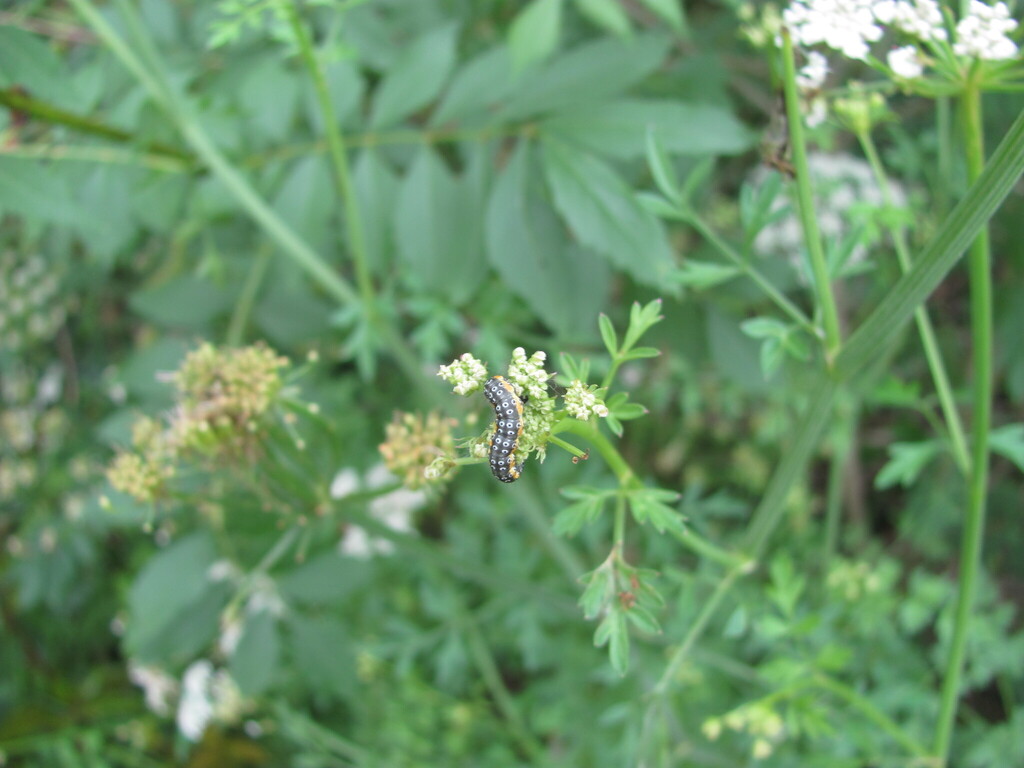
(c) zebedeugalinha, some rights reserved (CC BY) · licence
Family: Depressariidae · Class: Insecta · Order: Lepidoptera
Depressaria daucella is a California animal in the Depressariidae family.
Depressaria daucella is a small moth in the family Depressariidae, commonly known as the carrot seed moth or parsnip moth. This species belongs to a genus of microlepidoptera that are typically associated with plants in the carrot family (Apiaceae). Adults have a wingspan of approximately 16-20 mm (0.6-0.8 inches), with forewings that are brownish-gray to ochre in coloration, often displaying darker mottling or streaking patterns. The hindwings are typically lighter, appearing whitish-gray with reduced venation. When at rest, the moth holds its wings in a characteristic tent-like position over the body, a common posture among Depressaria species. The global distribution of Depressaria daucella includes much of Europe and parts of North America, where it has been introduced. In North America, the species is found across much of the northern United States and southern Canada. The presence of this species in California has not been extensively documented in recent surveys, and its current distribution within the state remains unclear. The species may occur in areas where suitable host plants are present, particularly in agricultural regions and naturalized areas. Depressaria daucella inhabits environments where its host plants in the Apiaceae family are present. This includes agricultural areas, gardens, waste ground, and disturbed habitats where carrots, parsnips, fennel, and other umbelliferous plants grow. The species shows a preference for areas with abundant flowering umbels, which provide both larval feeding sites and adult nectar sources. Adults are most commonly found from late spring through early fall, typically from May through September. The larvae of Depressaria daucella are specialist feeders on plants in the carrot family, with recorded host plants including cultivated carrot (Daucus carota), parsnip (Pastinaca sativa), wild carrot, and various native Apiaceae species. Young larvae initially mine within the leaves or stems but later move to feed on developing seeds within the flower heads or umbels. This feeding behavior often causes the umbels to become webbed together with silk, creating a protective shelter for the developing caterpillar. The species typically produces one to two generations per year, with larvae overwintering in cocoons spun in plant debris or soil. Adults are primarily nocturnal and are attracted to artificial lights. The conservation status of Depressaria daucella in California is not well-established, as comprehensive surveys for this small moth species are limited. The species is not currently listed under state or federal endangered species protections. As an introduced species that feeds on both cultivated and wild Apiaceae plants, it may be considered an agricultural pest in some contexts, particularly in carrot and parsnip production areas. The species' conservation needs in California are likely minimal, as it appears to be well-adapted to human-modified environments and has multiple host plant species available.
Classification
Class: Insecta · Order: Lepidoptera · Family: Depressariidae
Frequently asked questions
How is Depressaria daucella classified?
Depressaria daucella belongs to class Insecta, order Lepidoptera, family Depressariidae.
What family does Depressaria daucella belong to?
Depressaria daucella is in the Depressariidae family.
What is Depressaria daucella?
Depressaria daucella is a small moth in the family Depressariidae, commonly known as the carrot seed moth or parsnip moth.
Is Depressaria daucella found in California?
Yes. Depressaria daucella is recorded in California in The California Species Project's catalogue.
Related species
Other California species in the same genus, family, or bioregion.
Data from The California Species Project — 14,000+ California species with verified data from CNPS, CDFW, USFWS, and more.