Depressaria moya
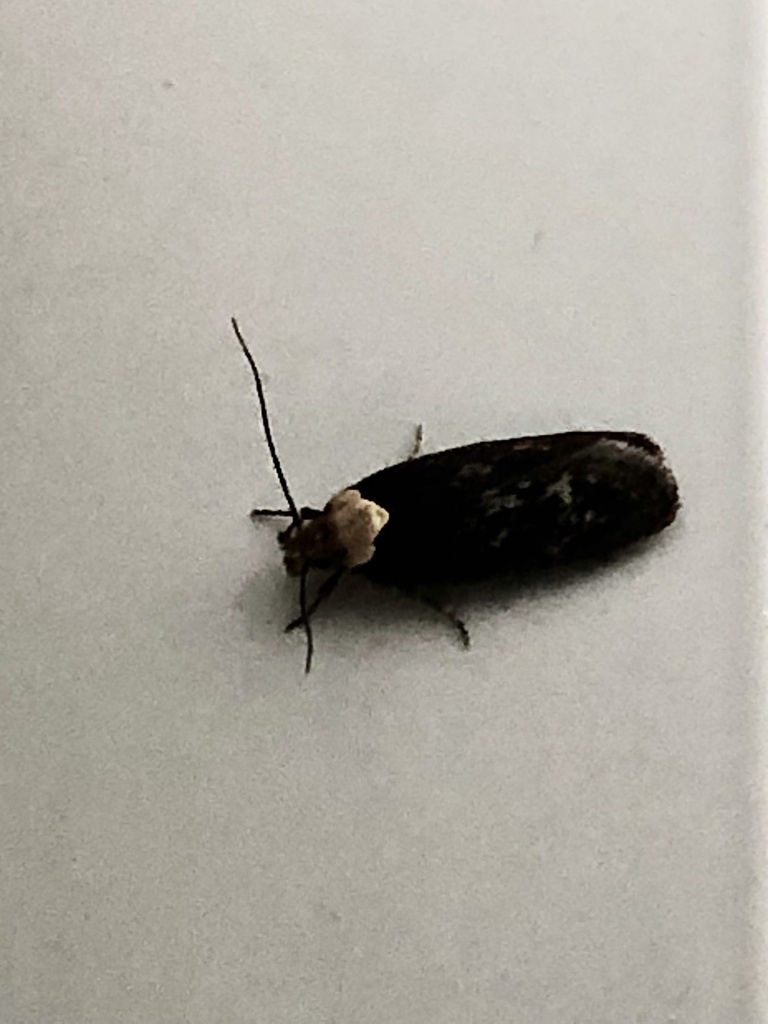
(c) Andrew Sebastian, some rights reserved (CC BY) · licence
Family: Depressariidae · Class: Insecta · Order: Lepidoptera
Depressaria moya is a California animal in the Depressariidae family.
Depressaria moya is a moth species in the family Depressariidae, order Lepidoptera. This species represents one of the lesser-documented members of the genus Depressaria, a group of moths commonly known as flat-body moths or depressariid moths. Adults typically exhibit the characteristic flattened appearance of the genus, with forewings that lie close to the substrate when at rest. The current distribution and range of Depressaria moya remain poorly documented in the scientific literature. Limited records suggest the species may occur in California, though specific localities and the extent of its range require further investigation. The genus Depressaria is widely distributed across North America, with various species occupying diverse habitats from coastal areas to montane regions. Habitat requirements for Depressaria moya are not well-established in current literature. Members of the genus Depressaria typically inhabit areas where their host plants occur, often in open woodlands, grasslands, meadows, or scrublands. Many species in this genus are associated with plants in the carrot family (Apiaceae) or other herbaceous vegetation. Elevation ranges and specific microhabitat preferences for D. moya have not been documented in available sources. The life history and ecological behavior of Depressaria moya remain largely unstudied. Most Depressaria species are univoltine, producing one generation per year, with larvae typically feeding within folded or webbed leaves of their host plants. Adults are generally active during late spring through summer months, depending on elevation and local climate conditions. Larvae of many Depressaria species create silk shelters by folding or tying together host plant leaves, feeding from within these protected structures. Pupation typically occurs in the larval feeding site or in leaf litter. The conservation status of Depressaria moya has not been formally assessed by federal or state agencies. The species lacks federal listing status under the Endangered Species Act and is not included in California's special status species lists as of December 2025. This absence from conservation frameworks likely reflects the limited taxonomic and ecological research conducted on this species rather than an assessment of population stability. Primary knowledge gaps for Depressaria moya include basic distributional data, host plant associations, population estimates, and life history characteristics. The taxonomic validity and distinctiveness of this species may require molecular analysis to confirm its status relative to closely related Depressaria taxa. Without baseline ecological data, potential threats cannot be accurately assessed, though habitat loss and fragmentation represent general concerns for specialized lepidopteran species in California. Future research priorities should include systematic surveys to determine the species' actual distribution, identification of host plants, and documentation of basic life history parameters. Such foundational research would enable more informed conservation assessment and management decisions should they become necessary.
Classification
Class: Insecta · Order: Lepidoptera · Family: Depressariidae
Frequently asked questions
How is Depressaria moya classified?
Depressaria moya belongs to class Insecta, order Lepidoptera, family Depressariidae.
What family does Depressaria moya belong to?
Depressaria moya is in the Depressariidae family.
What is Depressaria moya?
Depressaria moya is a moth species in the family Depressariidae, order Lepidoptera.
Is Depressaria moya found in California?
Yes. Depressaria moya is recorded in California in The California Species Project's catalogue.
Related species
Other California species in the same genus, family, or bioregion.
Data from The California Species Project — 14,000+ California species with verified data from CNPS, CDFW, USFWS, and more.