Dichagyris variabilis
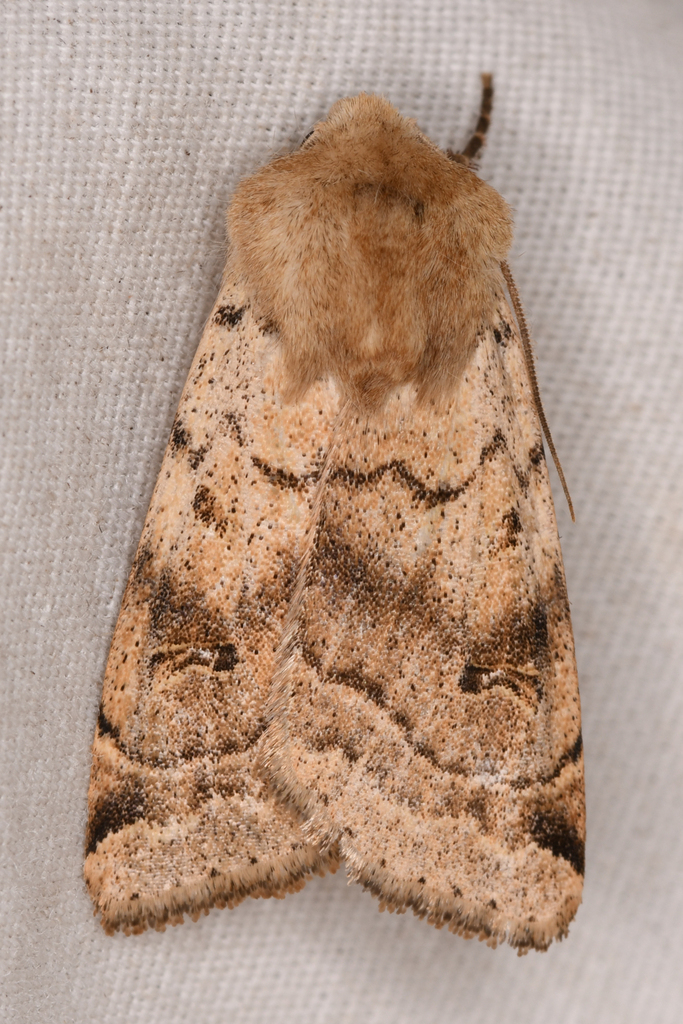
(c) Trevor Van Loon, some rights reserved (CC BY) · licence
Family: Noctuidae · Class: Insecta · Order: Lepidoptera
Dichagyris variabilis is a California animal in the Noctuidae family.
Dichagyris variabilis is a moth species in the family Noctuidae, commonly known as owlet moths or cutworm moths. This nocturnal lepidopteran belongs to a genus of moths that are typically characterized by their cryptic coloration and ground-dwelling larval habits. Adult moths in this genus generally display muted earth tones that provide effective camouflage during daylight hours when they rest on tree bark, soil, or leaf litter. The distribution and range of Dichagyris variabilis within California requires further documentation, as comprehensive survey data for many noctuid species remains limited. Members of the genus Dichagyris are typically associated with arid and semi-arid regions of western North America, suggesting this species likely occurs in California's interior valleys, foothills, or desert margins where suitable habitat conditions exist. Habitat requirements for Dichagyris variabilis are inferred from related species within the genus, which typically inhabit areas with sparse vegetation, sandy or rocky soils, and low to moderate elevation ranges. These moths often favor disturbed habitats, grasslands, shrublands, and desert scrub communities where their larval host plants occur. The species likely tolerates a range of soil types and moisture conditions typical of California's Mediterranean and desert climates. Behaviorally, Dichagyris variabilis follows the typical noctuid pattern of nocturnal flight activity. Adults are attracted to artificial light sources and likely feed on nectar from night-blooming flowers. Mating and reproductive behaviors occur during the species' active flight period, which varies by location and elevation but typically coincides with favorable temperature and moisture conditions. The larval stage, commonly called cutworms, likely feeds on herbaceous plants at ground level, often cutting stems at or below soil surface. Larvae may remain hidden in soil or under debris during daylight hours, emerging at night to feed. Reproductive ecology includes egg-laying on or near suitable host plants, with females depositing eggs singly or in small clusters. Larval development occurs over several weeks to months, depending on temperature and food availability. Pupation typically takes place in underground chambers or within soil crevices. The species may complete one or multiple generations per year, with timing influenced by local climate conditions and resource availability. Conservation status information for Dichagyris variabilis is currently unavailable, with no federal or state listing designations recorded. The lack of formal conservation assessment reflects the limited knowledge base for many noctuid moth species in California. Population trends, distribution extent, and potential threats remain undocumented. Like many lepidopteran species, this moth may face pressures from habitat modification, pesticide use, light pollution, and climate change effects on host plant communities. Comprehensive surveys and taxonomic studies are needed to establish baseline population data and assess conservation needs for this and other understudied noctuid species in California's diverse ecosystems.
Classification
Class: Insecta · Order: Lepidoptera · Family: Noctuidae
Frequently asked questions
How is Dichagyris variabilis classified?
Dichagyris variabilis belongs to class Insecta, order Lepidoptera, family Noctuidae.
What family does Dichagyris variabilis belong to?
Dichagyris variabilis is in the Noctuidae family.
What is Dichagyris variabilis?
Dichagyris variabilis is a moth species in the family Noctuidae, commonly known as owlet moths or cutworm moths.
Is Dichagyris variabilis found in California?
Yes. Dichagyris variabilis is recorded in California in The California Species Project's catalogue.
Related species
Other California species in the same genus, family, or bioregion.
Data from The California Species Project — 14,000+ California species with verified data from CNPS, CDFW, USFWS, and more.