Digrammia colorata
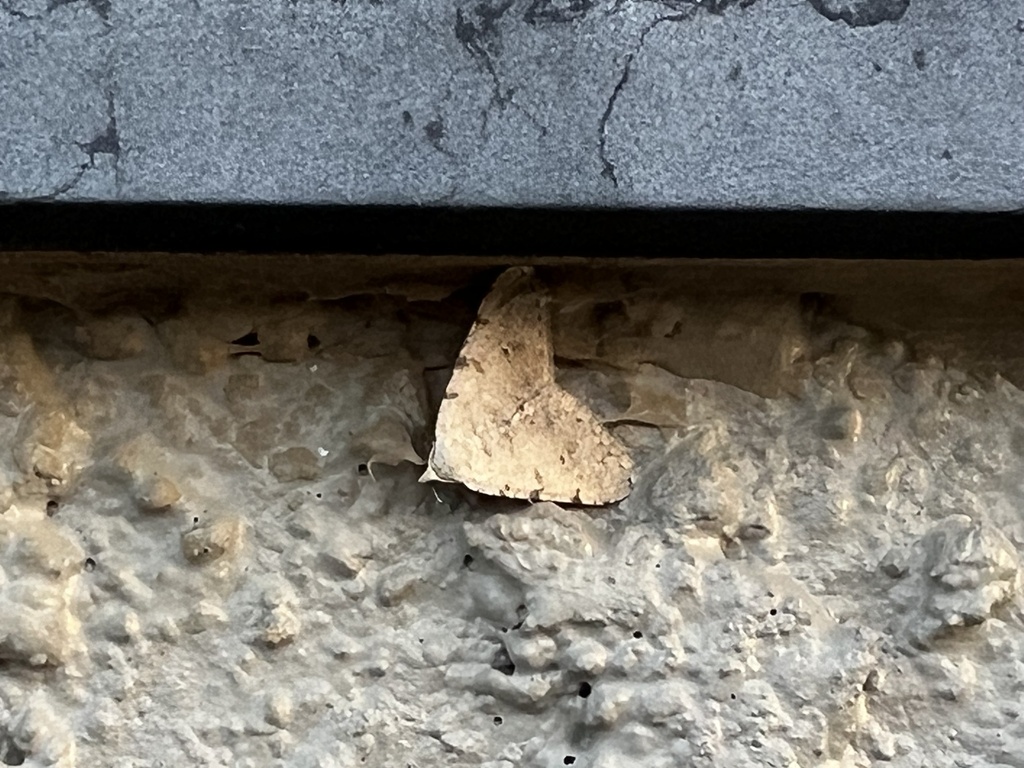
(c) CK2AZ, some rights reserved (CC BY) · licence
Family: Geometridae · Class: Insecta · Order: Lepidoptera
Digrammia colorata is a California animal in the Geometridae family.
Digrammia colorata is a moth species in the family Geometridae, commonly known as geometrid moths or inchworm moths. This species belongs to a large family characterized by their distinctive wing patterns and the looping locomotion of their caterpillars. Adult geometrid moths typically hold their wings horizontally when at rest, creating a triangular silhouette. The taxonomic placement of Digrammia colorata within the Geometridae family indicates it shares morphological characteristics with other geometrid species, including relatively broad wings with intricate patterns and slender bodies. Geometridae moths generally exhibit wingspan measurements ranging from 15 to 40 millimeters, though specific measurements for D. colorata require verification from taxonomic literature. The genus Digrammia comprises numerous North American species that often display subtle variations in wing coloration and patterning. The current distribution and range of Digrammia colorata in California remains unclear based on available records. Many geometrid moths demonstrate restricted ranges tied to specific host plant distributions and climatic conditions. California's diverse topography and plant communities support numerous endemic and specialized moth species, particularly in mountainous and coastal regions. Without specific locality data, the precise geographic distribution of this species cannot be determined. Geometrid moths typically inhabit areas where their larval host plants occur. The caterpillars, known as inchworms or loopers, move by extending their front end forward and then drawing their rear end up to meet it, creating the characteristic looping motion. Habitat requirements for D. colorata likely depend on the presence of specific plant species that serve as larval food sources. Many geometrid species show strong host plant specificity, with larvae feeding on particular plant families or genera. The life cycle of Digrammia colorata follows the typical lepidopteran pattern of complete metamorphosis: egg, larva (caterpillar), pupa, and adult moth. Geometridae caterpillars are typically cryptic, resembling twigs or plant stems to avoid predation. Adults are generally nocturnal, attracted to artificial lights during nighttime hours. Mating and reproduction typically involve pheromone communication, with females releasing chemical signals to attract males for courtship and mating. The conservation status of Digrammia colorata has not been formally assessed by state or federal agencies. The species lacks federal listing under the Endangered Species Act and does not appear on California's list of species of special concern. Many moth species face threats from habitat loss, light pollution, pesticide use, and climate change. Urban development and agricultural practices can eliminate host plants essential for larval development. Without comprehensive surveys and population monitoring, the current conservation needs and population trends for D. colorata remain unknown. Further research is needed to establish baseline population data, habitat requirements, and potential conservation concerns for this geometrid moth species.
Classification
Class: Insecta · Order: Lepidoptera · Family: Geometridae
Frequently asked questions
How is Digrammia colorata classified?
Digrammia colorata belongs to class Insecta, order Lepidoptera, family Geometridae.
What family does Digrammia colorata belong to?
Digrammia colorata is in the Geometridae family.
What is Digrammia colorata?
Digrammia colorata is a moth species in the family Geometridae, commonly known as geometrid moths or inchworm moths.
Is Digrammia colorata found in California?
Yes. Digrammia colorata is recorded in California in The California Species Project's catalogue.
Related species
Other California species in the same genus, family, or bioregion.
Data from The California Species Project — 14,000+ California species with verified data from CNPS, CDFW, USFWS, and more.