Digrammia continuata
Curved-lined Angle
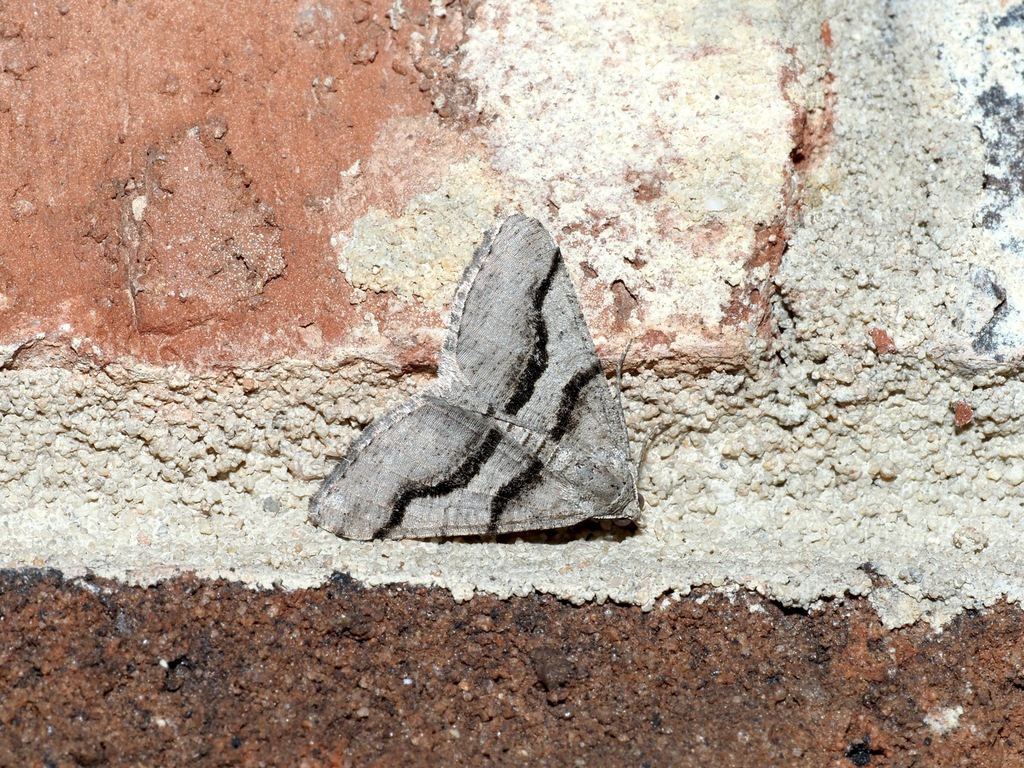
(c) Jeff Clark, some rights reserved (CC BY) · licence
Family: Geometridae · Class: Insecta · Order: Lepidoptera
Digrammia continuata (Curved-lined Angle) is a California animal in the Geometridae family.
Digrammia continuata, commonly known as the Curved-lined Angle, is a moth in the family Geometridae. Adults exhibit the characteristic angular wing posture typical of geometrids when at rest, with forewings displaying curved dark lines that give the species its common name. The species shows typical sexual dimorphism common in geometrids, though specific measurements and detailed morphological descriptions have not been well documented in the literature. The Curved-lined Angle occurs across a broad geographic range in North America. Records from lepidopterist season summaries indicate the species has been documented from multiple states including California, Colorado, Idaho, Montana, Nebraska, Oklahoma, and Texas (Lepidopterists' Society News 2007-2021). In California, the species appears to be present but specific county-level distribution data requires further documentation. The species has also been recorded from higher elevation sites, with collections reported from locations reaching 7,590 feet in Colorado. Habitat preferences for D. continuata encompass diverse ecological zones. The species has been collected in various habitats ranging from coastal areas to montane environments. Collection records indicate tolerance for elevation gradients, with specimens documented from near sea level to mountainous regions above 7,500 feet. Specific microhabitat requirements and vegetation associations have not been thoroughly studied, though the broad elevational and geographic range suggests considerable ecological flexibility. Adult flight periods extend from late spring through fall, based on collection records spanning May through November. Peak activity appears to occur during summer months, with records concentrated in July and August at higher elevations. Like other geometrids, adults are nocturnal and attracted to artificial light sources, as evidenced by numerous UV light trap collections reported in lepidopterist surveys. Larval host plants have not been definitively documented, though Geometridae larvae typically feed on woody plants and the broad range of this species suggests potential use of multiple host plant families. The conservation status of the Curved-lined Angle has not been formally assessed at federal or state levels. The species appears to maintain stable populations across its range, with consistent reporting from multiple states over recent decades. No specific threats have been identified, though like many moths, the species may face pressure from habitat modification, light pollution, and climate change effects on host plant phenology. The wide geographic and elevational distribution suggests some resilience to environmental changes, though population trends have not been systematically monitored. Detailed ecological studies of this species remain limited. Additional research on larval biology, host plant relationships, and population dynamics would enhance understanding of this geometrid's ecological requirements and conservation needs.
Classification
Class: Insecta · Order: Lepidoptera · Family: Geometridae
Frequently asked questions
How is Digrammia continuata classified?
Digrammia continuata belongs to class Insecta, order Lepidoptera, family Geometridae.
What family does Digrammia continuata belong to?
Digrammia continuata is in the Geometridae family.
What is Digrammia continuata?
Digrammia continuata, commonly known as the Curved-lined Angle, is a moth in the family Geometridae.
Is Digrammia continuata found in California?
Yes. Digrammia continuata is recorded in California in The California Species Project's catalogue.
Related species
Other California species in the same genus, family, or bioregion.
Data from The California Species Project — 14,000+ California species with verified data from CNPS, CDFW, USFWS, and more.