Digrammia napensis
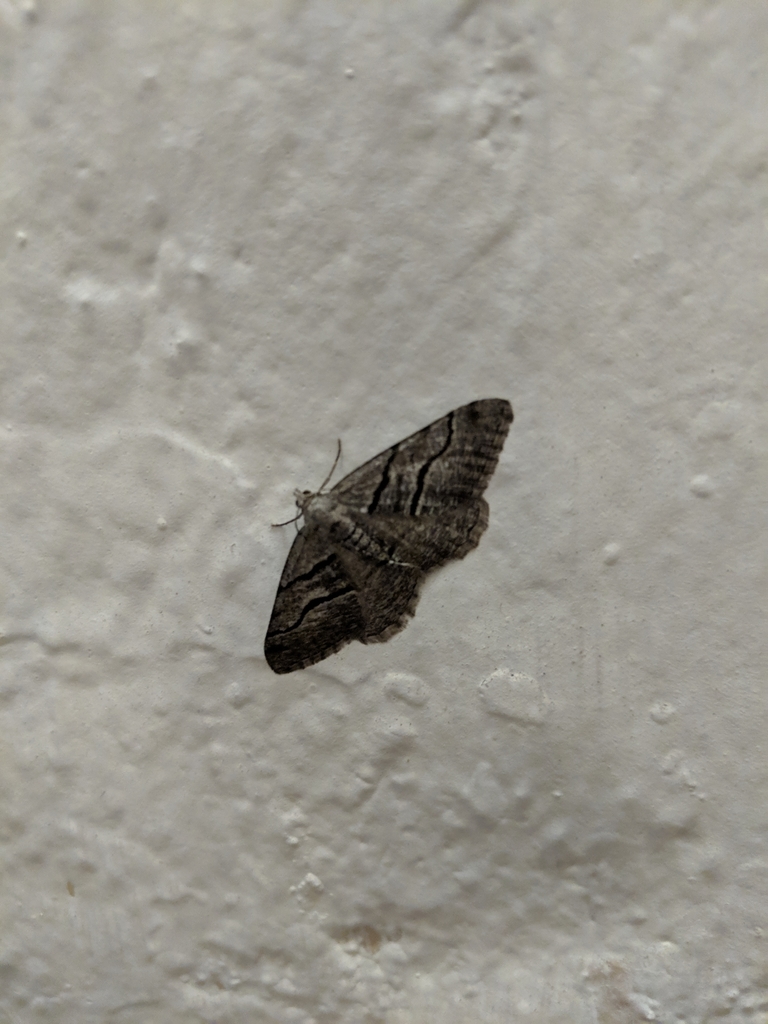
(c) Chelle Temple-King, some rights reserved (CC BY) · licence
Family: Geometridae · Class: Insecta · Order: Lepidoptera
Digrammia napensis is a California animal in the Geometridae family.
Digrammia napensis is a moth species in the family Geometridae, commonly known as geometrid moths or inchworms due to their larvae's distinctive looping locomotion. This species belongs to the genus Digrammia, which comprises numerous small to medium-sized moths distributed across North America. The taxonomic placement within Geometridae indicates that D. napensis shares the characteristic wing venation and triangular resting posture typical of this large moth family. Morphological information specific to Digrammia napensis is not documented in current taxonomic literature. Other members of the genus Digrammia display subdued coloration with earth-tone patterns that provide camouflage against bark and vegetation. Geometridae moths possess slender bodies and relatively broad wings with intricate patterns of lines and bands. Wing patterns in Digrammia species often include transverse lines and geometric markings used for species identification. The geographic range and distribution of Digrammia napensis are not documented in available scientific literature or major taxonomic databases. The specific epithet 'napensis' suggests a potential association with the Napa region of California, though this connection lacks verification in published sources. Many Digrammia species exhibit restricted distributions within specific geographic regions or habitat types in western North America. Habitat requirements and host plant associations for D. napensis are unknown. Geometridae larvae are herbivorous, feeding on various plant species depending on the moth species. Different Digrammia species show varying degrees of host plant specificity, with some being generalist feeders while others demonstrate preferences for particular plant families. Adult moths are nocturnal and attracted to light sources during their flight period. The life cycle of Digrammia napensis follows the Geometridae pattern of complete metamorphosis. Larvae, known as geometrid caterpillars or inchworms, move by extending their bodies forward and drawing their posterior segments up to meet the front, creating the characteristic looping motion. These caterpillars often exhibit effective camouflage, resembling twigs or plant stems when at rest. Pupation occurs in soil or leaf litter. No conservation status information exists for Digrammia napensis in standard databases including NatureServe Explorer or the IUCN Red List. No species-specific records were found in USFWS databases or California Department of Fish and Wildlife resources as of December 2025. The absence of formal documentation may reflect extremely limited knowledge about the species or potential taxonomic uncertainty. Many geometrid moth species remain understudied, particularly those with restricted ranges. Comprehensive taxonomic studies and field surveys are needed to establish the species' valid status, distribution, habitat preferences, and conservation requirements.
Classification
Class: Insecta · Order: Lepidoptera · Family: Geometridae
Frequently asked questions
How is Digrammia napensis classified?
Digrammia napensis belongs to class Insecta, order Lepidoptera, family Geometridae.
What family does Digrammia napensis belong to?
Digrammia napensis is in the Geometridae family.
What is Digrammia napensis?
Digrammia napensis is a moth species in the family Geometridae, commonly known as geometrid moths or inchworms due to their larvae's distinctive looping locomotion.
Is Digrammia napensis found in California?
Yes. Digrammia napensis is recorded in California in The California Species Project's catalogue.
Related species
Other California species in the same genus, family, or bioregion.
Data from The California Species Project — 14,000+ California species with verified data from CNPS, CDFW, USFWS, and more.