Digrammia nubiculata
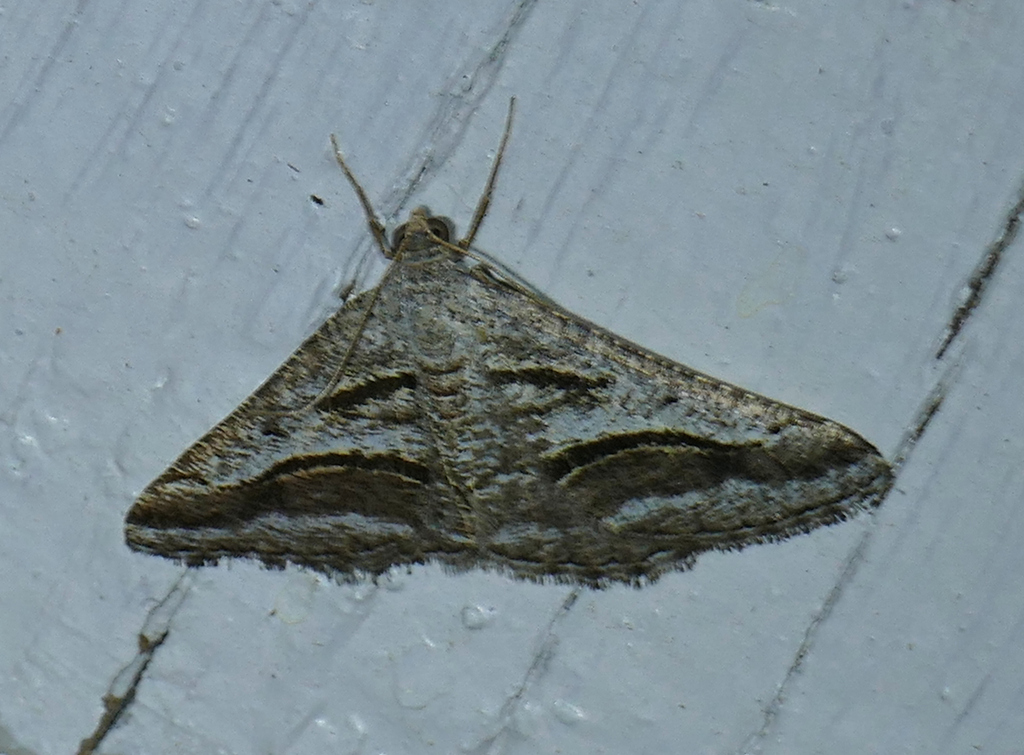
(c) Wendy McCrady, some rights reserved (CC BY) · licence
Family: Geometridae · Class: Insecta · Order: Lepidoptera
Digrammia nubiculata is a California animal in the Geometridae family.
Digrammia nubiculata is a moth species in the family Geometridae, commonly known as geometrid moths or inchworm moths. This species belongs to a large family characterized by larvae that move in a distinctive looping motion, extending and contracting their bodies as they crawl. Adult geometrids typically have slender bodies and broad wings that are held horizontally when at rest. The scientific literature provides limited detailed morphological descriptions of Digrammia nubiculata specifically. As a member of the genus Digrammia, this species likely exhibits the typical geometrid moth characteristics including relatively thin antennae, legs adapted for perching rather than grasping, and wing patterns that may include various lines, bands, or mottled coloration that often provides camouflage against tree bark or other substrates. The geographic distribution of Digrammia nubiculata appears to be poorly documented in accessible databases. Many Digrammia species are found in western North America, with several occurring in California's diverse ecosystems. However, specific range information for D. nubiculata requires verification from specialized lepidopteran surveys or regional moth checklists. The genus Digrammia includes species adapted to various elevations and habitat types across the western United States. Habitat preferences for this species are not well-documented in readily available sources. Geometridae moths generally occupy diverse habitats including forests, woodlands, chaparral, and desert regions. Many species in this family are associated with specific host plants during their larval stage, with caterpillars feeding on leaves, flowers, or developing seeds of their preferred plant species. The specific plant associations for D. nubiculata require further research from entomological literature or field studies. Behavioral and ecological information for Digrammia nubiculata is limited in current accessible databases. Most Geometridae moths are nocturnal, attracted to artificial lights during nighttime hours. Adults typically mate and lay eggs during specific seasonal windows, with timing varying by species and geographic location. Larvae develop through several molts before pupating, often in soil or leaf litter. Many geometrid species have single annual generations, though some may have multiple broods in favorable climates. The conservation status of Digrammia nubiculata is not documented in major conservation databases. Many moth species, particularly those with limited distribution data, lack formal conservation assessments. The species does not appear on federal or California state lists of threatened or endangered species. However, the absence of recent survey data makes it difficult to assess population trends or conservation needs. Many lepidopteran species face pressures from habitat loss, climate change, and light pollution, though species-specific impacts on D. nubiculata remain undocumented. Further research is needed to establish baseline population data and habitat requirements for effective conservation planning.
Classification
Class: Insecta · Order: Lepidoptera · Family: Geometridae
Frequently asked questions
How is Digrammia nubiculata classified?
Digrammia nubiculata belongs to class Insecta, order Lepidoptera, family Geometridae.
What family does Digrammia nubiculata belong to?
Digrammia nubiculata is in the Geometridae family.
What is Digrammia nubiculata?
Digrammia nubiculata is a moth species in the family Geometridae, commonly known as geometrid moths or inchworm moths.
Is Digrammia nubiculata found in California?
Yes. Digrammia nubiculata is recorded in California in The California Species Project's catalogue.
Related species
Other California species in the same genus, family, or bioregion.
Data from The California Species Project — 14,000+ California species with verified data from CNPS, CDFW, USFWS, and more.