Digrammia pallidata
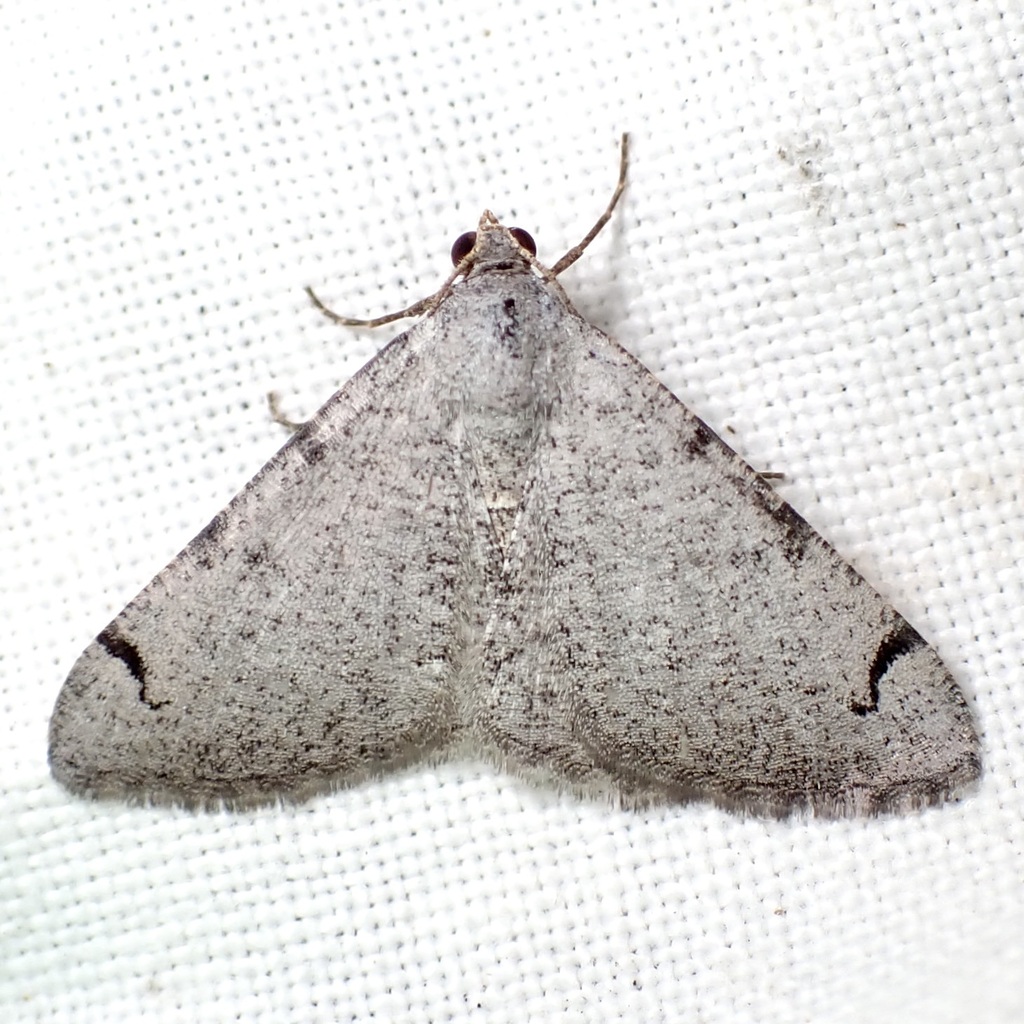
(c) Sue Carnahan, some rights reserved (CC BY) · licence
Family: Geometridae · Class: Insecta · Order: Lepidoptera
Digrammia pallidata is a California animal in the Geometridae family.
Digrammia pallidata is a geometrid moth in the family Geometridae, subfamily Ennominae. This species belongs to a diverse genus of North American moths that includes numerous closely related species with similar wing patterns and ecological requirements. The physical characteristics of D. pallidata have not been comprehensively documented in readily available scientific literature. Like other members of the genus Digrammia, it likely displays the typical geometrid moth body plan with broad wings relative to body size and the characteristic wing patterns that often include wavy lines or geometric markings from which the family derives its common name "geometers" or "inchworm moths." Digrammia pallidata has been recorded across multiple western and southwestern U.S. states. Collection records indicate its presence in California, where it has been documented in the Sierra Nevada region including Inyo County at Whitney Portals Road near Lone Pine at 5,600 feet elevation (Lepidopterists' Society 2010). The species also occurs in Colorado, where it has been collected in multiple counties including Jefferson, El Paso, Fremont, and Clear Creek counties at elevations ranging from approximately 5,400 to 5,800 feet (Lepidopterists' Society 2010, 2019). Additional records exist from Idaho, Oregon, and Texas, suggesting a relatively broad western North American distribution (Lepidopterists' Society 2011, 2019, 2021). Habitat preferences for this species appear to encompass montane and foothill environments based on collection localities. In California, the species has been found in areas transitional between desert and montane zones, as evidenced by the Whitney Portals location in the eastern Sierra Nevada. Colorado records from various counties suggest adaptation to diverse montane habitats including areas near recreational campgrounds and natural areas at moderate elevations. Ecological details including host plant relationships, larval development, and adult flight periods remain poorly documented in available literature. Collection dates from various regions span multiple months, with records from May through October, suggesting either an extended flight period or multiple broods annually. Adult moths have been attracted to various light sources including mercury vapor and ultraviolet light traps, indicating typical nocturnal activity patterns common among geometrid moths. The conservation status of Digrammia pallidata has not been formally assessed at federal or state levels. The species is listed as a Species of Greatest Conservation Need in New York State's 2015 Wildlife Action Plan, though the specific conservation concerns are not detailed in available documentation (BugGuide 2016). This designation suggests potential population declines or habitat threats in at least part of its range, though comprehensive population data and trend analyses are lacking. Current knowledge gaps regarding this species include detailed morphological descriptions, comprehensive distribution mapping, host plant documentation, and population status assessments. The scattered nature of collection records across western states suggests either naturally low population densities or insufficient survey effort in suitable habitats.
Classification
Class: Insecta · Order: Lepidoptera · Family: Geometridae
Frequently asked questions
How is Digrammia pallidata classified?
Digrammia pallidata belongs to class Insecta, order Lepidoptera, family Geometridae.
What family does Digrammia pallidata belong to?
Digrammia pallidata is in the Geometridae family.
What is Digrammia pallidata?
Digrammia pallidata is a geometrid moth in the family Geometridae, subfamily Ennominae.
Is Digrammia pallidata found in California?
Yes. Digrammia pallidata is recorded in California in The California Species Project's catalogue.
Related species
Other California species in the same genus, family, or bioregion.
Data from The California Species Project — 14,000+ California species with verified data from CNPS, CDFW, USFWS, and more.