Digrammia yavapai
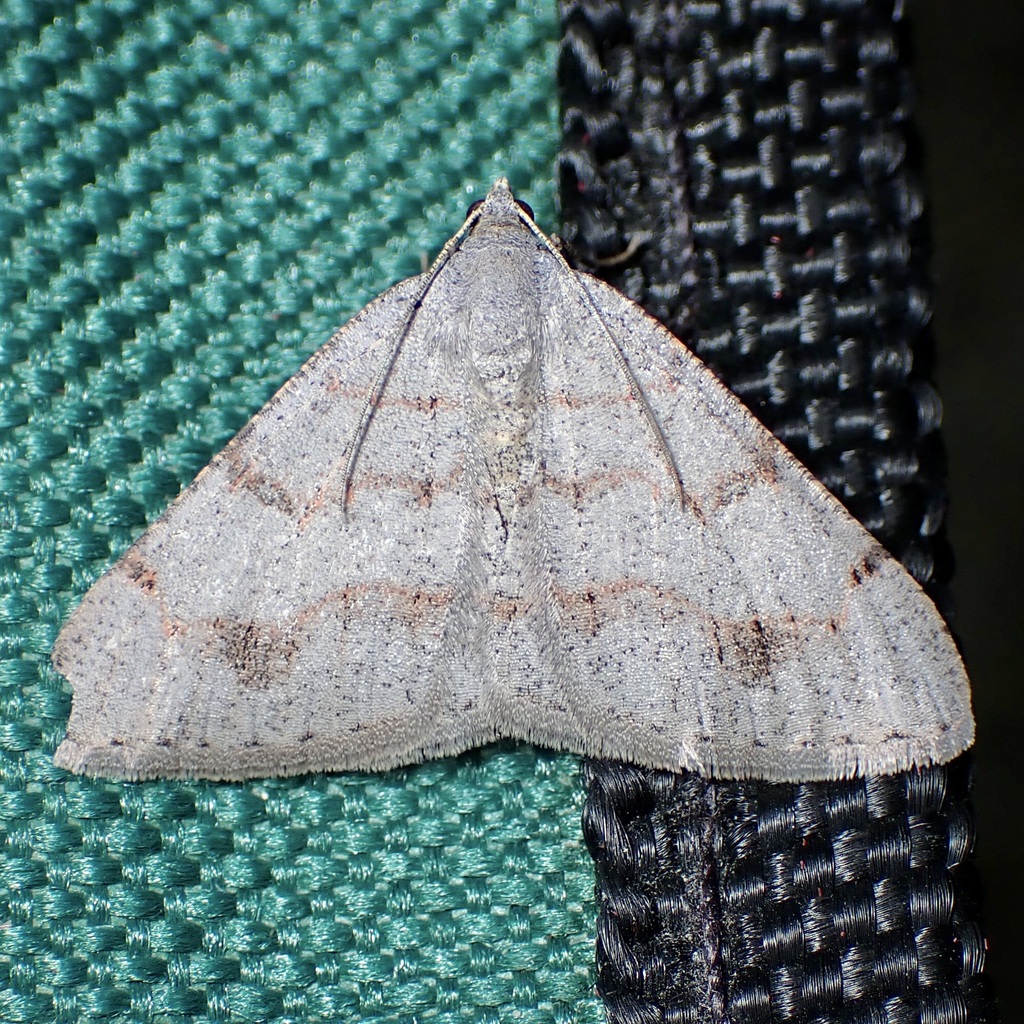
(c) Sue Carnahan, some rights reserved (CC BY) · licence
Family: Geometridae · Class: Insecta · Order: Lepidoptera
Digrammia yavapai is a California animal in the Geometridae family.
Digrammia yavapai is a geometrid moth in the family Geometridae, subfamily Ennominae. This species belongs to a large genus of moths commonly known as geometers or inchworm moths, characterized by their distinctive wing patterns and larval behavior. The adult moths typically display cryptic coloration with intricate patterns that provide camouflage against tree bark and other natural surfaces. Geometridae moths are recognized by their broad wings held horizontally when at rest and their relatively slender bodies compared to other moth families. The range and distribution of Digrammia yavapai remain poorly documented in the scientific literature. The species name suggests a connection to the Yavapai region, which historically refers to areas of central Arizona, though confirmation of its current California distribution requires further investigation. Many Digrammia species have restricted ranges and occur in specific mountainous or desert regions of the southwestern United States. Habitat preferences for Digrammia yavapai are not well-established in available literature. Most Digrammia species inhabit arid and semi-arid environments, including chaparral, oak woodlands, and montane shrublands. These moths typically occur in areas with diverse plant communities that support their larval host plants. Elevation ranges vary considerably among species in this genus, with some occurring from sea level to over 2,500 meters in mountainous terrain. The behavior and ecology of Digrammia yavapai follow typical patterns for Geometridae moths. Adults are primarily nocturnal and attracted to artificial lights. Flight periods likely occur during specific seasons, with many southwestern Digrammia species flying in spring or early summer months. Larvae are characteristic geometrid caterpillars, also known as inchworms or loopers, which move by extending their body forward and then drawing their rear end up to meet their front legs. This distinctive locomotion results from having fewer abdominal prolegs compared to other caterpillars. Larval host plants for Digrammia yavapai remain unconfirmed, though related species in the genus feed on various shrubs and trees common to southwestern ecosystems. Many Digrammia species are associated with plants in families such as Rosaceae, Rhamnaceae, and Fagaceae. The larvae typically feed on leaves and may be present during multiple seasons depending on the species' life cycle. Conservation status information for Digrammia yavapai is extremely limited. The species lacks formal conservation rankings at federal, state, or international levels. This absence of status designation likely reflects insufficient survey data and taxonomic uncertainty rather than actual rarity or abundance. Many geometrid moths remain understudied, particularly those in arid regions of the American Southwest. Without comprehensive surveys and population assessments, the conservation needs of Digrammia yavapai cannot be adequately evaluated. Further research is needed to determine the species' distribution, habitat requirements, population status, and potential threats to inform appropriate conservation measures.
Classification
Class: Insecta · Order: Lepidoptera · Family: Geometridae
Frequently asked questions
How is Digrammia yavapai classified?
Digrammia yavapai belongs to class Insecta, order Lepidoptera, family Geometridae.
What family does Digrammia yavapai belong to?
Digrammia yavapai is in the Geometridae family.
What is Digrammia yavapai?
Digrammia yavapai is a geometrid moth in the family Geometridae, subfamily Ennominae.
Is Digrammia yavapai found in California?
Yes. Digrammia yavapai is recorded in California in The California Species Project's catalogue.
Related species
Other California species in the same genus, family, or bioregion.
Data from The California Species Project — 14,000+ California species with verified data from CNPS, CDFW, USFWS, and more.