Dipodomys simulans
Dulzura Kangaroo Rat
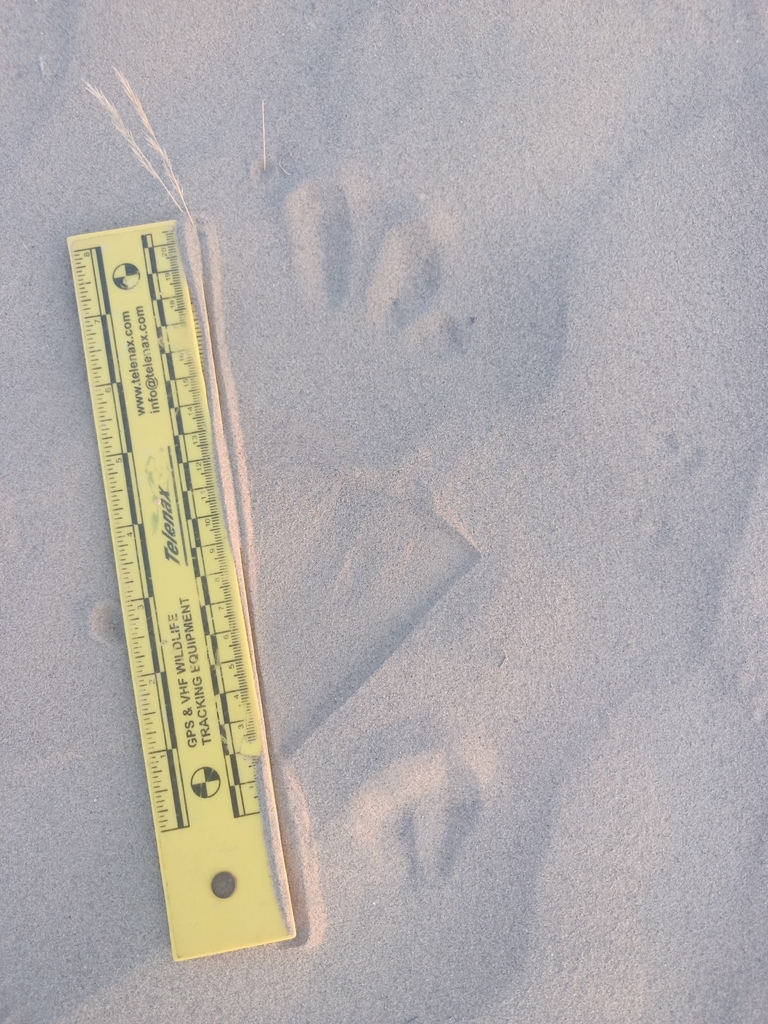
(c) Juan Cruzado Cortés, some rights reserved (CC BY) · licence
Family: Heteromyidae · Class: Mammalia · Order: Rodentia
Conservation status: G4 S3
Dipodomys simulans (Dulzura Kangaroo Rat) is a California animal in the Heteromyidae family.
The Dulzura kangaroo rat is a medium-sized heteromyid rodent endemic to southern California and Baja California, Mexico. Adults measure 240 to 290 mm (9.4 to 11.4 inches) in total length, with the tail comprising approximately 60% of this measurement. Body weight ranges from 60 to 85 grams (2.1 to 3.0 ounces). The dorsal pelage is pale buff to sandy brown, grading to white or pale cream on the ventral surface. The species is distinguished from other kangaroo rats by its relatively small body size, four-toed hind feet, and the presence of a distinct white hip stripe that extends from the base of the tail along the sides. Historically, Dipodomys simulans ranged throughout coastal sage scrub and chaparral habitats from southwestern Riverside County south through San Diego County, California, extending into northwestern Baja California. The species occurs primarily in areas below 1,200 meters (3,937 feet) elevation, though some populations have been documented up to 1,500 meters (4,921 feet). Current distribution is fragmented due to extensive habitat loss, with remaining populations concentrated in protected areas and undeveloped lands in eastern San Diego County. Dulzura kangaroo rats inhabit coastal sage scrub, mixed chaparral, and oak woodland communities characterized by sandy or gravelly soils suitable for burrow construction. The species shows preference for areas with 25 to 75 percent shrub cover, avoiding both dense chaparral and completely open areas. Burrow systems are typically excavated in sandy washes, gentle slopes, and flat areas with good drainage. These underground refugia provide protection from predators and temperature extremes while serving as seed caches. This nocturnal species emerges after sunset to forage for seeds, which comprise the majority of its diet. Primary food sources include seeds from shrubs such as chamise, buckwheat, and various annual forbs. Dulzura kangaroo rats do not require free water, obtaining moisture from their food and producing highly concentrated urine to conserve water. Breeding occurs from February through August, with females producing one to three litters per year. Gestation lasts approximately 30 days, and litters typically contain two to four young. Sexual maturity is reached at 60 to 90 days of age. The species is currently ranked G4 S3, indicating it is apparently secure globally but vulnerable in California. While not federally or state listed, Dulzura kangaroo rat populations have declined significantly due to urban development, agriculture, and habitat fragmentation throughout coastal southern California. Major threats include conversion of coastal sage scrub habitat, fire regime alterations, invasive plant species, and increased fire frequency. Conservation efforts focus on habitat preservation through acquisition of key parcels, restoration of degraded areas, and management of invasive species. Several populations persist within protected areas including state parks and ecological reserves in San Diego County.
Classification
Class: Mammalia · Order: Rodentia · Family: Heteromyidae
Conservation status
G4 S3
Frequently asked questions
How is Dipodomys simulans classified?
Dipodomys simulans belongs to class Mammalia, order Rodentia, family Heteromyidae.
What family does Dipodomys simulans belong to?
Dipodomys simulans is in the Heteromyidae family.
Is Dipodomys simulans protected or of conservation concern?
Dipodomys simulans carries the following status: G4 S3.
What is Dipodomys simulans?
The Dulzura kangaroo rat is a medium-sized heteromyid rodent endemic to southern California and Baja California, Mexico.
Is Dipodomys simulans found in California?
Yes. Dipodomys simulans is recorded in California in The California Species Project's catalogue.
Related species
Other California species in the same genus, family, or bioregion.
Data from The California Species Project — 14,000+ California species with verified data from CNPS, CDFW, USFWS, and more.