Ditylus quadricollis
Cedar False Blister Beetle
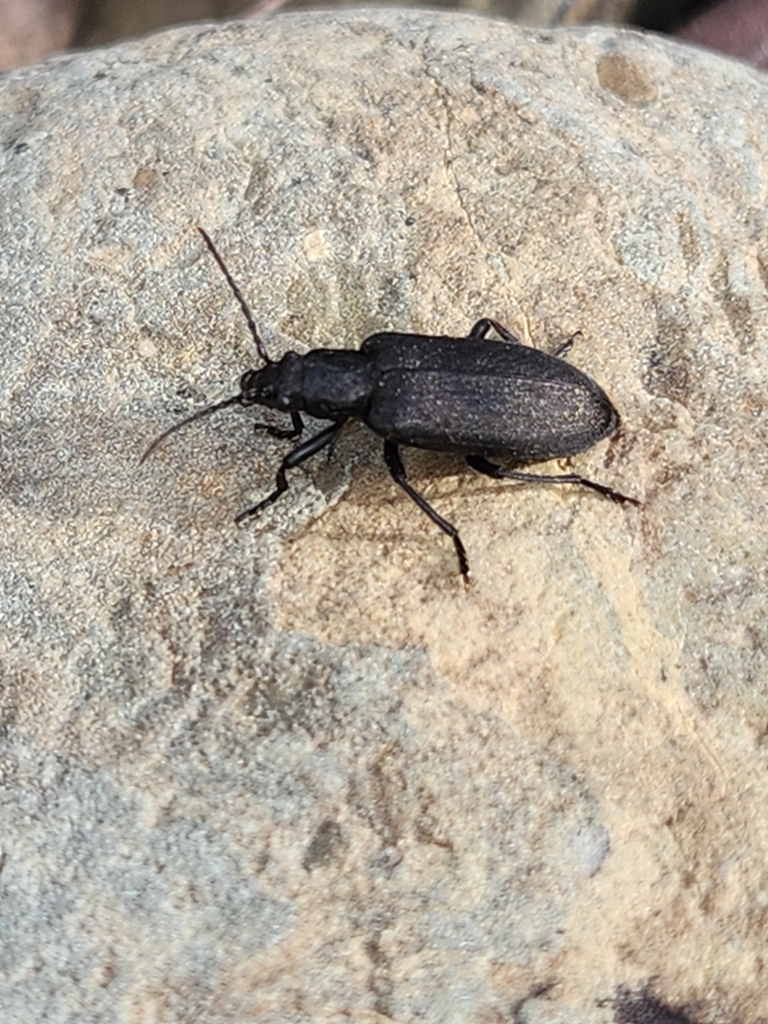
(c) a_virginian, some rights reserved (CC BY) · licence
Family: Oedemeridae · Class: Insecta · Order: Coleoptera
Ditylus quadricollis (Cedar False Blister Beetle) is a California animal in the Oedemeridae family.
The Cedar False Blister Beetle (Ditylus quadricollis) is a member of the family Oedemeridae, commonly known as false blister beetles. This beetle species belongs to the tribe Ditylini and is distinguished from true blister beetles by lacking the ability to produce cantharidin, the defensive chemical compound that gives blister beetles their name. Adults are typically elongated with a somewhat cylindrical body form characteristic of the Oedemeridae family. The species exhibits the typical oedemerid features including prominent eyes and relatively long antennae. Ditylus quadricollis occurs in North America, though specific distributional records within California remain poorly documented in the available literature. The genus Ditylus contains several species distributed across temperate regions, with D. quadricollis representing one component of this taxonomic group. Current range documentation suggests the species may have a broader distribution than previously recognized, though comprehensive surveys are needed to establish precise boundaries. Habitat preferences for this species have not been extensively studied, though members of the Oedemeridae family typically inhabit areas with decaying wood and plant material. False blister beetles are generally associated with forest edges, woodlands, and areas where dead or dying trees provide breeding substrates. Adults are often found on flowers where they feed on pollen and nectar, while larvae typically develop in decaying organic matter including rotting wood and plant debris. Adult Cedar False Blister Beetles are active during warmer months and are attracted to various flowering plants for feeding. Like other oedemerids, they are considered beneficial insects as both larvae and adults contribute to decomposition processes. Larvae play an ecological role by breaking down dead plant material, while adults serve as pollinators for various native plant species. Mating typically occurs during peak activity periods in late spring and summer, with females depositing eggs in suitable organic substrates. The conservation status of Ditylus quadricollis has not been formally assessed by state or federal agencies. The species lacks official protection status and is not currently listed under the Endangered Species Act or California Endangered Species Act. Population trends and specific threats to the species remain undocumented, reflecting the general lack of comprehensive research on many invertebrate species. As with many insects, potential threats may include habitat loss through urban development, forest management practices that remove dead wood substrates, and pesticide applications in agricultural and urban environments. Scientific documentation for this species remains limited despite its inclusion in federal taxonomic databases. The information presented here synthesizes available data from the U.S. Fish and Wildlife Service taxonomic records and general knowledge of oedemerid beetle ecology. Enhanced research efforts are needed to better understand the species' distribution, habitat requirements, and conservation needs within California's diverse ecosystems.
Classification
Class: Insecta · Order: Coleoptera · Family: Oedemeridae
Frequently asked questions
How is Ditylus quadricollis classified?
Ditylus quadricollis belongs to class Insecta, order Coleoptera, family Oedemeridae.
What family does Ditylus quadricollis belong to?
Ditylus quadricollis is in the Oedemeridae family.
What is Ditylus quadricollis?
The Cedar False Blister Beetle (Ditylus quadricollis) is a member of the family Oedemeridae, commonly known as false blister beetles.
Is Ditylus quadricollis found in California?
Yes. Ditylus quadricollis is recorded in California in The California Species Project's catalogue.
Related species
Other California species in the same genus, family, or bioregion.
Data from The California Species Project — 14,000+ California species with verified data from CNPS, CDFW, USFWS, and more.