Drasteria edwardsii
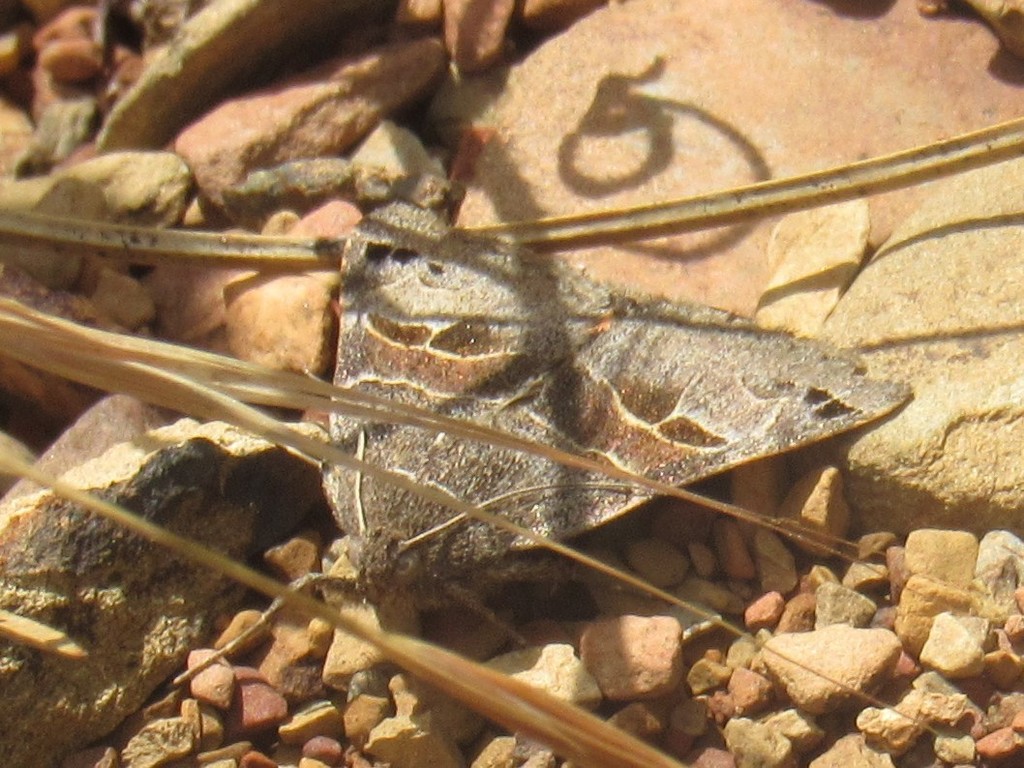
(c) Justin, some rights reserved (CC BY) · licence
Family: Erebidae · Class: Insecta · Order: Lepidoptera
Drasteria edwardsii is a California animal in the Erebidae family.
Drasteria edwardsii is a moth in the family Erebidae, subfamily Erebinae, tribe Melipotini. This nocturnal species belongs to a genus of underwing moths known for their cryptic forewings and contrasting hindwings, though specific morphological details for D. edwardsii have not been well documented in the scientific literature. The species occurs in western North America, with documented records from California, Nevada, Utah, and Colorado. In California, specimens have been collected from multiple counties including Fresno, Inyo, and Sierra counties (Lepidopterists' Society News 2005, 1993). Records from Fresno County include Walt's Valley Road, while Inyo County specimens were collected from Homewood Canyon in the Argus Mountains (Lepidopterists' Society News 2005). The species also occurs in the Sierra Nevada region, with records from Route 49 near Lunch Creek in Sierra County. Beyond California, D. edwardsii has been documented from Nevada, Utah, and Colorado. Nevada records include specimens from multiple counties, while Utah records span from Salt Lake County to Carbon County and Summit County in the Uinta Mountains at elevations reaching 9,700 feet (Lepidopterists' Society News 1993). Colorado populations have been recorded from high-elevation sites including the Collegiate Peaks Wilderness in alpine meadows. The species appears to inhabit diverse montane and desert environments, from low desert areas to high mountain meadows. Elevation records range from relatively low elevations in desert regions to over 9,000 feet in mountain environments. The wide elevational distribution suggests adaptation to varied climatic conditions across its range. Specific habitat requirements and host plant associations have not been well documented for this species. Flight period data from collection records indicates activity during spring and summer months. California specimens have been collected from April through June, with records from April 22 in Inyo County and May 6 in Fresno County (Lepidopterists' Society News 2005). Utah records extend into summer, with specimens collected through August. The species appears to be univoltine, producing one generation per year, typical of many high-elevation Drasteria species. Like other members of the genus Drasteria, D. edwardsii is likely nocturnal and attracted to artificial lights, as evidenced by collection methods noted in lepidopterological surveys. Adult moths presumably feed on nectar from available flowering plants, though specific feeding preferences remain undocumented. Larval biology, including host plants and development timing, has not been described for this species. Drasteria edwardsii does not appear on federal or state endangered species lists, and its conservation status has not been formally assessed. The species seems to maintain stable populations across its documented range, though comprehensive population surveys have not been conducted. Climate change may pose future challenges for high-elevation populations, particularly those in alpine environments. The limited scientific literature available for this species reflects the broader need for systematic study of western North American Erebidae diversity and ecology.
Classification
Class: Insecta · Order: Lepidoptera · Family: Erebidae
Frequently asked questions
How is Drasteria edwardsii classified?
Drasteria edwardsii belongs to class Insecta, order Lepidoptera, family Erebidae.
What family does Drasteria edwardsii belong to?
Drasteria edwardsii is in the Erebidae family.
What is Drasteria edwardsii?
Drasteria edwardsii is a moth in the family Erebidae, subfamily Erebinae, tribe Melipotini.
Is Drasteria edwardsii found in California?
Yes. Drasteria edwardsii is recorded in California in The California Species Project's catalogue.
Related species
Other California species in the same genus, family, or bioregion.
Data from The California Species Project — 14,000+ California species with verified data from CNPS, CDFW, USFWS, and more.