Drasteria fumosa
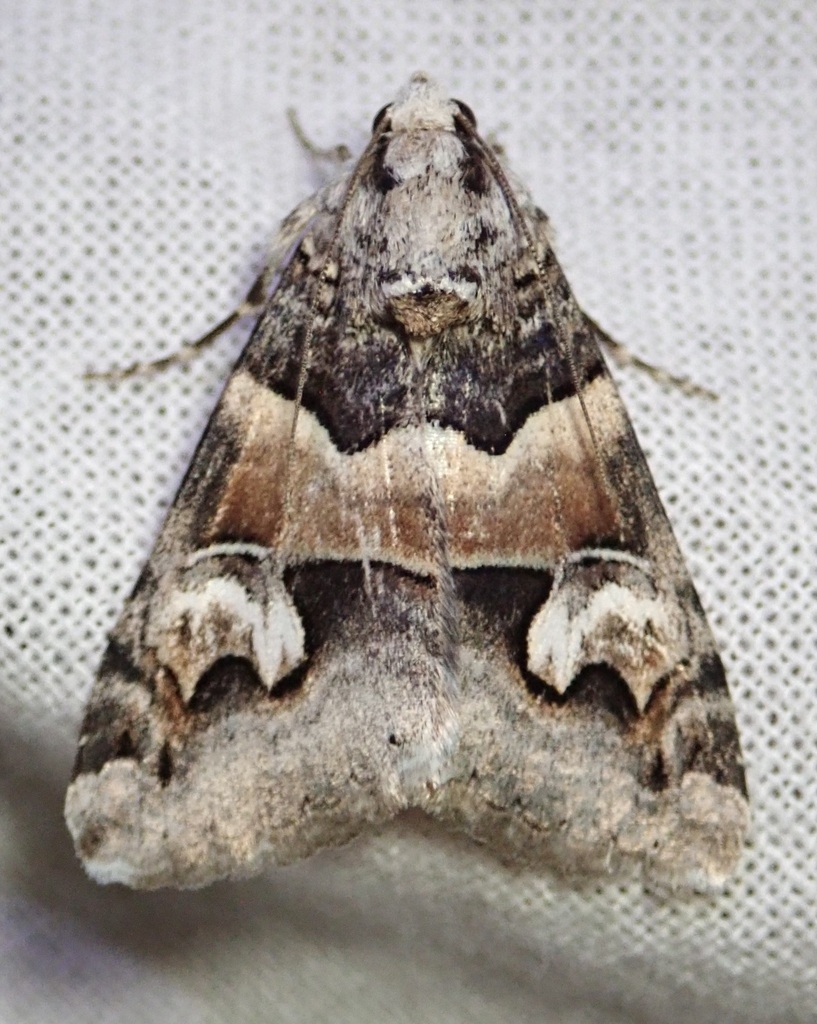
(c) Cricket Raspet, some rights reserved (CC BY) · licence
Family: Erebidae · Class: Insecta · Order: Lepidoptera
Drasteria fumosa is a California animal in the Erebidae family.
Drasteria fumosa is a moth species in the family Erebidae, part of the diverse order Lepidoptera. Limited taxonomic and biological information is available for this species in current databases, indicating it may be poorly studied or potentially rare within its range. The physical characteristics of D. fumosa are not well documented in readily accessible literature. As a member of the genus Drasteria, it likely shares morphological features with related species, which typically display muted coloration patterns with forewings bearing subtle striping or banding. Moths in this genus generally have wingspans ranging from 25 to 35 millimeters, though specific measurements for D. fumosa require verification through specialized taxonomic sources. The geographic distribution of Drasteria fumosa appears to be restricted, though precise range boundaries are not clearly established in current databases. The species name suggests it may occur in western North America, as many Drasteria species are found in arid and semi-arid regions of this continent. However, specific localities and county-level distribution records for California require additional research to confirm presence within the state. Habitat preferences for D. fumosa are not well documented. Based on ecological patterns observed in related Drasteria species, this moth likely inhabits arid shrublands, desert margins, or dry grassland environments. Many congeners are associated with specific plant communities and may require particular host plants for larval development. The elevation range and microhabitat requirements for D. fumosa remain unspecified in available sources. Ecological information about D. fumosa is extremely limited. Most Drasteria species are nocturnal, with adults attracted to artificial lights during warm months. Larval host plants are unknown for this species, though related moths often utilize herbaceous plants in families such as Chenopodiaceae, Amaranthaceae, or Plantaginaceae. Flight periods, reproductive behavior, and seasonal activity patterns have not been documented for D. fumosa in accessible literature. The conservation status of Drasteria fumosa is unclear due to insufficient data. The species lacks federal protection under the Endangered Species Act and does not appear on California state lists as of December 2025. This absence from conservation databases may indicate either that the species is stable and widespread, or conversely, that it is so poorly known that its conservation needs have not been assessed. The lack of recent collection records or ecological studies suggests this species may warrant further investigation to determine its current population status and distribution. Given the limited available information, D. fumosa represents a data-deficient species that would benefit from targeted surveys and taxonomic research. Establishing baseline population data, confirming habitat associations, and documenting life history characteristics would be essential first steps in assessing any conservation needs for this moth species.
Classification
Class: Insecta · Order: Lepidoptera · Family: Erebidae
Frequently asked questions
How is Drasteria fumosa classified?
Drasteria fumosa belongs to class Insecta, order Lepidoptera, family Erebidae.
What family does Drasteria fumosa belong to?
Drasteria fumosa is in the Erebidae family.
What is Drasteria fumosa?
Drasteria fumosa is a moth species in the family Erebidae, part of the diverse order Lepidoptera.
Is Drasteria fumosa found in California?
Yes. Drasteria fumosa is recorded in California in The California Species Project's catalogue.
Related species
Other California species in the same genus, family, or bioregion.
Data from The California Species Project — 14,000+ California species with verified data from CNPS, CDFW, USFWS, and more.