Drasteria mirifica
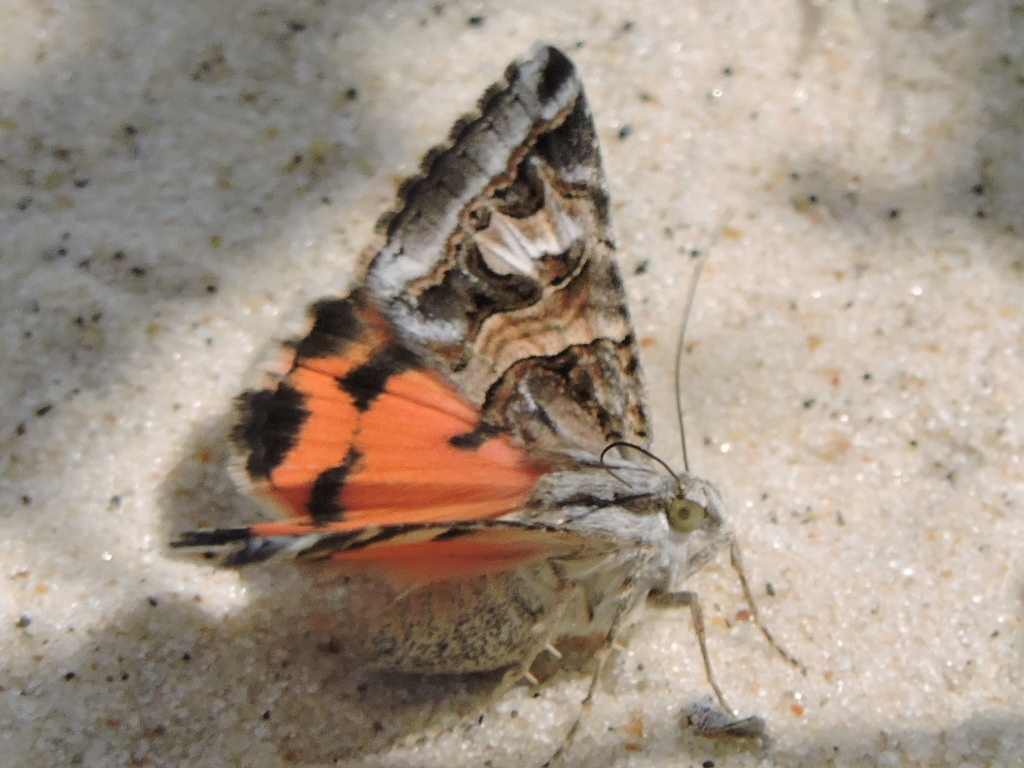
(c) Sam Kieschnick, some rights reserved (CC BY) · licence
Family: Erebidae · Class: Insecta · Order: Lepidoptera
Drasteria mirifica is a California animal in the Erebidae family.
Drasteria mirifica is a moth species in the family Erebidae, subfamily Erebinae. This nocturnal lepidopteran belongs to a genus of moths commonly known as arches or underwing moths, though specific morphological details for this particular species are limited in available literature. The species exhibits the typical erebid moth body plan with a robust thorax and well-developed wings. Adult moths in the genus Drasteria typically display cryptic coloration patterns that provide camouflage during daytime rest periods. The forewings generally show mottled gray to brown patterns, while hindwings may be lighter in coloration. Wingspan measurements and specific color patterns for D. mirifica require further documentation in taxonomic literature. The geographic range of Drasteria mirifica appears to be restricted, though precise distribution data remains incomplete in current databases. The species occurs in western North America, with records from California and potentially adjacent states. Range mapping for this species requires additional survey work to establish accurate boundaries and habitat associations. Habitat preferences for D. mirifica are not well-documented in available sources. Related species in the genus Drasteria typically inhabit arid and semi-arid environments, including desert scrublands, chaparral, and oak woodlands. Elevation ranges and specific microhabitat requirements for this species need further study. Adult moths likely shelter during daylight hours under bark, in rock crevices, or among vegetation. The life history and ecological behavior of Drasteria mirifica remain largely unstudied. Most erebid moths are nocturnal, becoming active after sunset to mate and feed. Adults typically feed on nectar from various flowering plants, though specific host flowers for this species are unknown. Larval host plants and development timing have not been documented. The caterpillars likely feed on herbaceous plants or shrubs, following the general feeding patterns observed in related species. Reproductive behavior, including mating systems, flight periods, and overwintering strategies, requires investigation. Conservation status information for Drasteria mirifica is not available in federal or state databases as of December 2025. The species lacks formal conservation rankings from NatureServe, IUCN, or California Department of Fish and Wildlife. This absence of status information may reflect either stable populations that have not warranted assessment or insufficient survey data to evaluate population trends. Many moth species remain poorly studied compared to more conspicuous butterfly species, creating knowledge gaps in lepidopteran conservation. The taxonomic validity and distinctiveness of D. mirifica may require molecular analysis to confirm its status as a separate species versus a synonym or subspecies of related taxa. Comprehensive surveys across potential habitat areas would help establish distribution patterns and population estimates necessary for future conservation assessments.
Classification
Class: Insecta · Order: Lepidoptera · Family: Erebidae
Frequently asked questions
How is Drasteria mirifica classified?
Drasteria mirifica belongs to class Insecta, order Lepidoptera, family Erebidae.
What family does Drasteria mirifica belong to?
Drasteria mirifica is in the Erebidae family.
What is Drasteria mirifica?
Drasteria mirifica is a moth species in the family Erebidae, subfamily Erebinae.
Is Drasteria mirifica found in California?
Yes. Drasteria mirifica is recorded in California in The California Species Project's catalogue.
Related species
Other California species in the same genus, family, or bioregion.
Data from The California Species Project — 14,000+ California species with verified data from CNPS, CDFW, USFWS, and more.