Drasteria pallescens
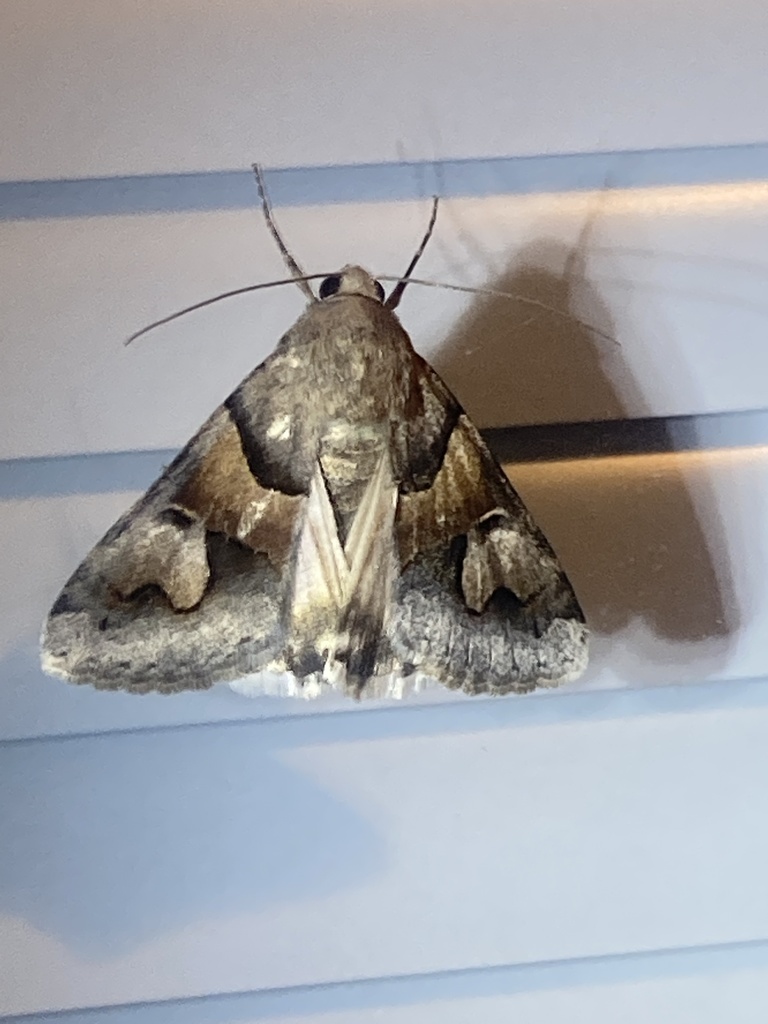
no rights reserved · CC0
Family: Erebidae · Class: Insecta · Order: Lepidoptera
Drasteria pallescens is a California animal in the Erebidae family.
Drasteria pallescens is a moth in the family Erebidae, subfamily Erebinae. This nocturnal lepidopteran belongs to a genus commonly known as arches or underwing moths, though it lacks the colorful hindwings characteristic of many Catocala species. The forewings are typically pale grayish-brown to tan with subtle darker markings, while the hindwings are lighter, often whitish or pale gray. The wingspan ranges from approximately 35 to 45 mm (1.4 to 1.8 inches). Adults display cryptic coloration that provides effective camouflage when resting on tree bark or rock surfaces during daylight hours. The range and distribution of Drasteria pallescens in California remains poorly documented in available databases. The species is part of a genus with several North American representatives, some of which occur in western states including California. Many Drasteria species have restricted or patchy distributions, often associated with specific host plant communities or geological formations. Without verified occurrence records, the specific California counties or regions where this species is found cannot be definitively stated. Habitat preferences for Drasteria pallescens are not well-established in the literature. Other members of the genus Drasteria typically inhabit arid or semi-arid environments, including desert scrublands, chaparral, and oak woodlands. These moths often show associations with rocky outcrops, canyon bottoms, or areas with specific host plant communities. Elevation ranges for the genus vary considerably, from sea level to montane environments, depending on the species and local habitat availability. Like other Erebidae moths, Drasteria pallescens likely follows a nocturnal activity pattern, with adults emerging after sunset to feed and mate. Males are typically attracted to artificial lights and pheromone sources. The species presumably undergoes complete metamorphosis with egg, larval, pupal, and adult stages. Larval host plants for this species have not been definitively documented, though related Drasteria species often utilize various herbaceous plants and shrubs. Flight periods and number of generations per year remain undetermined for this species. The conservation status of Drasteria pallescens appears to be unassessed by major wildlife agencies. The species lacks federal protection under the Endangered Species Act and does not appear on California Department of Fish and Wildlife special concern species lists as of December 2025. This absence from conservation listings may reflect either stable populations or insufficient survey data rather than actual conservation security. Many moth species remain understudied, with limited information available on population trends, threats, or habitat requirements. Potential threats to Drasteria pallescens likely mirror those affecting other native moths, including habitat loss from development, light pollution disrupting nocturnal behavior, pesticide use, and climate change altering suitable habitat zones. Comprehensive surveys and taxonomic research are needed to better understand the distribution, ecology, and conservation needs of this species in California.
Classification
Class: Insecta · Order: Lepidoptera · Family: Erebidae
Frequently asked questions
How is Drasteria pallescens classified?
Drasteria pallescens belongs to class Insecta, order Lepidoptera, family Erebidae.
What family does Drasteria pallescens belong to?
Drasteria pallescens is in the Erebidae family.
What is Drasteria pallescens?
Drasteria pallescens is a moth in the family Erebidae, subfamily Erebinae.
Is Drasteria pallescens found in California?
Yes. Drasteria pallescens is recorded in California in The California Species Project's catalogue.
Related species
Other California species in the same genus, family, or bioregion.
Data from The California Species Project — 14,000+ California species with verified data from CNPS, CDFW, USFWS, and more.