Drepanulatrix bifilata
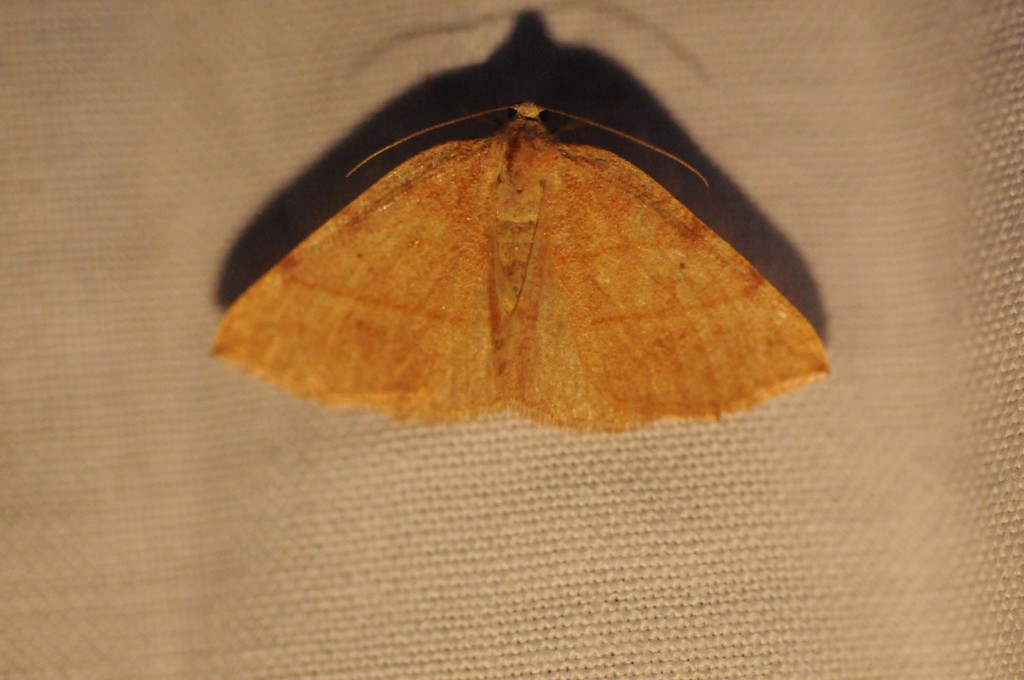
(c) Hawk T., some rights reserved (CC BY) · licence
Family: Geometridae · Class: Insecta · Order: Lepidoptera
Drepanulatrix bifilata is a California animal in the Geometridae family.
Drepanulatrix bifilata is a species of moth in the family Geometridae, commonly known as inchworms or geometrid moths. This species belongs to a diverse family characterized by larvae that move in a distinctive looping motion. Adult Geometridae moths typically have broad wings held horizontally when at rest, and many species are active during nighttime hours. The physical characteristics of D. bifilata follow typical geometrid patterns, with adults possessing the characteristic broad, often delicately patterned wings. Like other members of the genus Drepanulatrix, this species likely displays cryptic coloration that provides camouflage against tree bark or other substrates. The wingspan and specific morphological details require further documentation from specimen studies. The distribution and range of Drepanulatrix bifilata in California remains poorly documented in readily accessible databases. Geometridae moths as a family are widely distributed across North America, with many species occupying specific ecological niches tied to their larval host plants. The presence of this species in California suggests adaptation to regional plant communities and climatic conditions. Habitat requirements for D. bifilata likely center around the availability of suitable host plants for larval development. Geometridae larvae are typically herbivorous, feeding on leaves of specific plant species during their development. The adult moths may be found in areas ranging from forested environments to shrublands, depending on the distribution of their host plants. Many geometrid species show preferences for particular elevation ranges and vegetation types. The life cycle of D. bifilata follows the typical lepidopteran pattern of complete metamorphosis, progressing through egg, larval, pupal, and adult stages. Geometridae larvae are known for their distinctive locomotion, arching their bodies as they move along branches and stems. The timing of adult emergence likely corresponds with favorable environmental conditions and the availability of nectar sources. Adults may be attracted to artificial lights during their active periods. Conservation status information for Drepanulatrix bifilata is not currently documented in major listing databases. Many geometrid moth species face pressures from habitat loss, light pollution, and climate change, which can disrupt their life cycles and host plant relationships. The lack of comprehensive population data for many moth species makes assessment of conservation needs challenging. Further research is needed to establish baseline population information and identify potential threats to this species. The study of Geometridae moths, including D. bifilata, contributes to understanding ecosystem health and biodiversity patterns. These moths serve as pollinators for some plant species and represent important components of food webs, serving as prey for bats, birds, and other predators. Documentation of their distribution, host plant relationships, and ecological roles remains an active area of entomological research in California.
Classification
Class: Insecta · Order: Lepidoptera · Family: Geometridae
Frequently asked questions
How is Drepanulatrix bifilata classified?
Drepanulatrix bifilata belongs to class Insecta, order Lepidoptera, family Geometridae.
What family does Drepanulatrix bifilata belong to?
Drepanulatrix bifilata is in the Geometridae family.
What is Drepanulatrix bifilata?
Drepanulatrix bifilata is a species of moth in the family Geometridae, commonly known as inchworms or geometrid moths.
Is Drepanulatrix bifilata found in California?
Yes. Drepanulatrix bifilata is recorded in California in The California Species Project's catalogue.
Related species
Other California species in the same genus, family, or bioregion.
Data from The California Species Project — 14,000+ California species with verified data from CNPS, CDFW, USFWS, and more.