Drepanulatrix falcataria
Scalloped Tan Moth
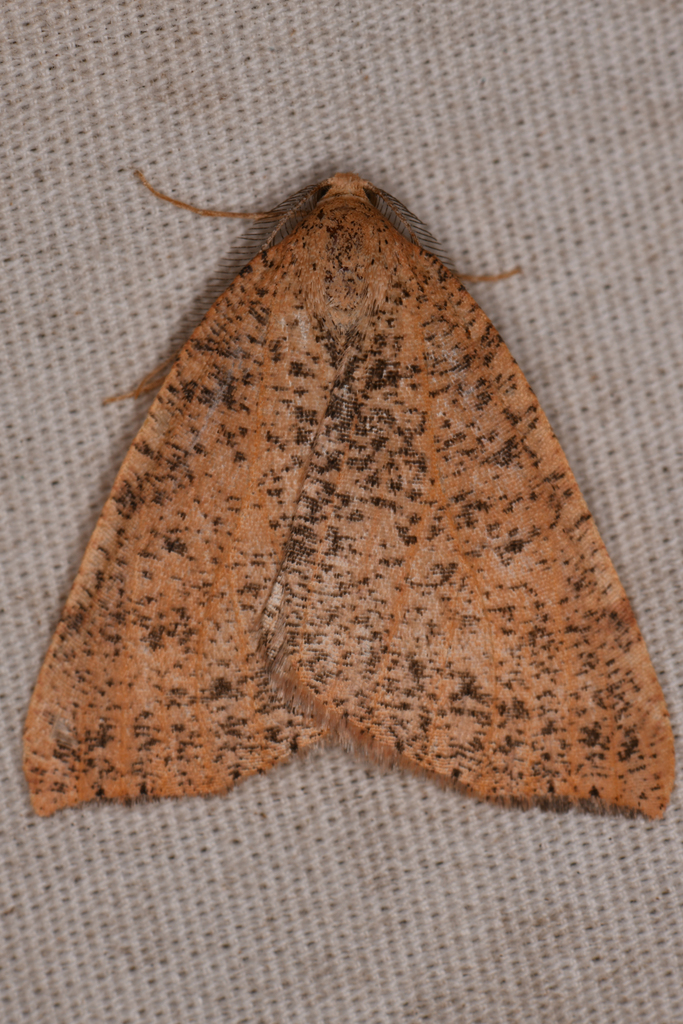
(c) Trevor Van Loon, some rights reserved (CC BY) · licence
Family: Geometridae · Class: Insecta · Order: Lepidoptera
Drepanulatrix falcataria (Scalloped Tan Moth) is a California animal in the Geometridae family.
The Scalloped Tan Moth is a geometrid moth in the subfamily Ennominae and tribe Caberini. This species belongs to the genus Drepanulatrix, which comprises 12 species endemic to North America (Grokipedia). Like other members of the Geometridae family, adults are characterized by the typical "inchworm" larval stage and broad, delicate wings held horizontally when at rest. The species was first described by Packard in 1873. Adult moths display the characteristic wing patterns typical of geometrids, though specific morphological details for this species have not been well documented in available literature. The common name "Scalloped Tan" suggests wing coloration in tan or brown tones with scalloped or wavy wing margins, consistent with other Drepanulatrix species. Drepanulatrix falcataria is found in North America, though the specific distribution within this range requires further documentation. The genus Drepanulatrix is endemic to North America, indicating this species evolved within the continent's diverse moth fauna. California occurrence has been documented, though detailed range information within the state remains limited in current literature. Habitat preferences for this species have not been thoroughly documented in available sources. Many geometrid moths are associated with forested environments where their larvae feed on various woody plants. The larvae of Geometridae species typically move in a characteristic looping motion, measuring distances by bringing the rear segments forward to meet the front segments, earning them the common name "inchworm" or "measuring worm." Specific ecological information about Drepanulatrix falcataria remains poorly documented. Host plant relationships, flight periods, and reproductive biology have not been well described in accessible scientific literature. Many geometrid species are univoltine, producing one generation per year, with adults typically active during specific seasons when host plants are suitable for larval development. Larvae generally feed externally on foliage and may cause defoliation when populations are high, though the ecological impact of this particular species is unknown. This species currently has no federal or state conservation listing status. Population trends and conservation needs have not been assessed, reflecting the limited scientific attention many moths receive compared to butterflies and other more conspicuous insects. Like many lepidopteran species, potential threats may include habitat loss, pesticide use, and climate change impacts on host plant availability and seasonal timing. Scientific documentation for this species remains limited. The information presented here is based on available sources including iNaturalist, Moth Photographers Group, and taxonomic databases. If you have additional verified information about this species' biology, distribution, or ecology, please contact us to help improve this species account.
Classification
Class: Insecta · Order: Lepidoptera · Family: Geometridae
Frequently asked questions
How is Drepanulatrix falcataria classified?
Drepanulatrix falcataria belongs to class Insecta, order Lepidoptera, family Geometridae.
What family does Drepanulatrix falcataria belong to?
Drepanulatrix falcataria is in the Geometridae family.
What is Drepanulatrix falcataria?
The Scalloped Tan Moth is a geometrid moth in the subfamily Ennominae and tribe Caberini.
Is Drepanulatrix falcataria found in California?
Yes. Drepanulatrix falcataria is recorded in California in The California Species Project's catalogue.
Related species
Other California species in the same genus, family, or bioregion.
Data from The California Species Project — 14,000+ California species with verified data from CNPS, CDFW, USFWS, and more.