Drepanulatrix nevadaria
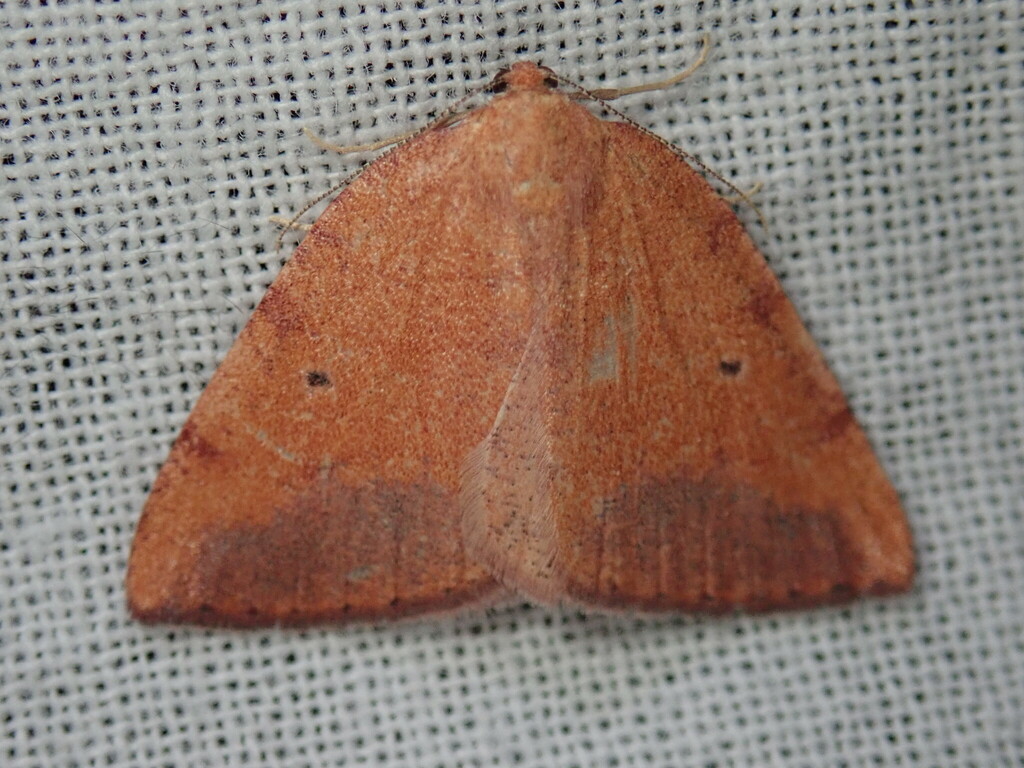
(c) Cricket Raspet, some rights reserved (CC BY) · licence
Family: Geometridae · Class: Insecta · Order: Lepidoptera
Drepanulatrix nevadaria is a California animal in the Geometridae family.
Drepanulatrix nevadaria is a geometrid moth belonging to the family Geometridae, commonly known as inchworm or looper moths. This species represents one of the lesser-documented members of the genus Drepanulatrix within the diverse geometrid fauna of western North America. Like other geometrids, adults likely possess the characteristic broad, horizontally-held wings when at rest, though specific morphological details for this species remain poorly documented in the literature. The geographic range of D. nevadaria appears to be centered in the western United States, as suggested by its specific epithet 'nevadaria,' which typically indicates an association with Nevada or the broader Great Basin region. However, comprehensive distributional data for this species is limited, and its precise range boundaries within California and adjacent states require further documentation through systematic surveys and collection records. Habitat preferences for D. nevadaria are not well-established in the current literature. Most geometrid moths occupy diverse habitats ranging from forested environments to shrublands and grasslands, often showing associations with specific host plant communities. The species likely inhabits areas within the elevation zones typical of its presumed Great Basin or montane distribution, though specific elevation ranges and microhabitat requirements remain undocumented. The life history and ecological characteristics of D. nevadaria follow the typical geometrid pattern, though species-specific details are lacking. Geometridae larvae, known as inchworms or loopers, are characterized by their distinctive locomotion method of arching their bodies due to the absence of prolegs on abdominal segments three through six. Adults are typically nocturnal and attracted to artificial lights. The timing of emergence, number of generations per year, and specific host plant associations for D. nevadaria require investigation through field studies and rearing observations. The conservation status of D. nevadaria is not formally assessed at federal or state levels. The species lacks designation under the Endangered Species Act and does not appear on California's list of species of special concern. This absence from conservation listings may reflect either stable population status or, more likely, insufficient data regarding population trends and distribution. Many geometrid moths remain poorly studied, particularly those in western North American fauna, where taxonomic work continues to reveal new species and clarify existing classifications. The taxonomic status and species validity of D. nevadaria may benefit from modern molecular and morphological revision, as the Geometridae represent one of the largest families of Lepidoptera with ongoing taxonomic challenges. Without comprehensive surveys and ecological studies, the true conservation needs of this species cannot be adequately assessed. Further research is needed to document basic biological parameters including flight periods, host plant relationships, habitat requirements, and population status across its presumed range.
Classification
Class: Insecta · Order: Lepidoptera · Family: Geometridae
Frequently asked questions
How is Drepanulatrix nevadaria classified?
Drepanulatrix nevadaria belongs to class Insecta, order Lepidoptera, family Geometridae.
What family does Drepanulatrix nevadaria belong to?
Drepanulatrix nevadaria is in the Geometridae family.
What is Drepanulatrix nevadaria?
Drepanulatrix nevadaria is a geometrid moth belonging to the family Geometridae, commonly known as inchworm or looper moths.
Is Drepanulatrix nevadaria found in California?
Yes. Drepanulatrix nevadaria is recorded in California in The California Species Project's catalogue.
Related species
Other California species in the same genus, family, or bioregion.
Data from The California Species Project — 14,000+ California species with verified data from CNPS, CDFW, USFWS, and more.