Dryocosmus castanopsidis
Chinquapin Flower Gall Wasp
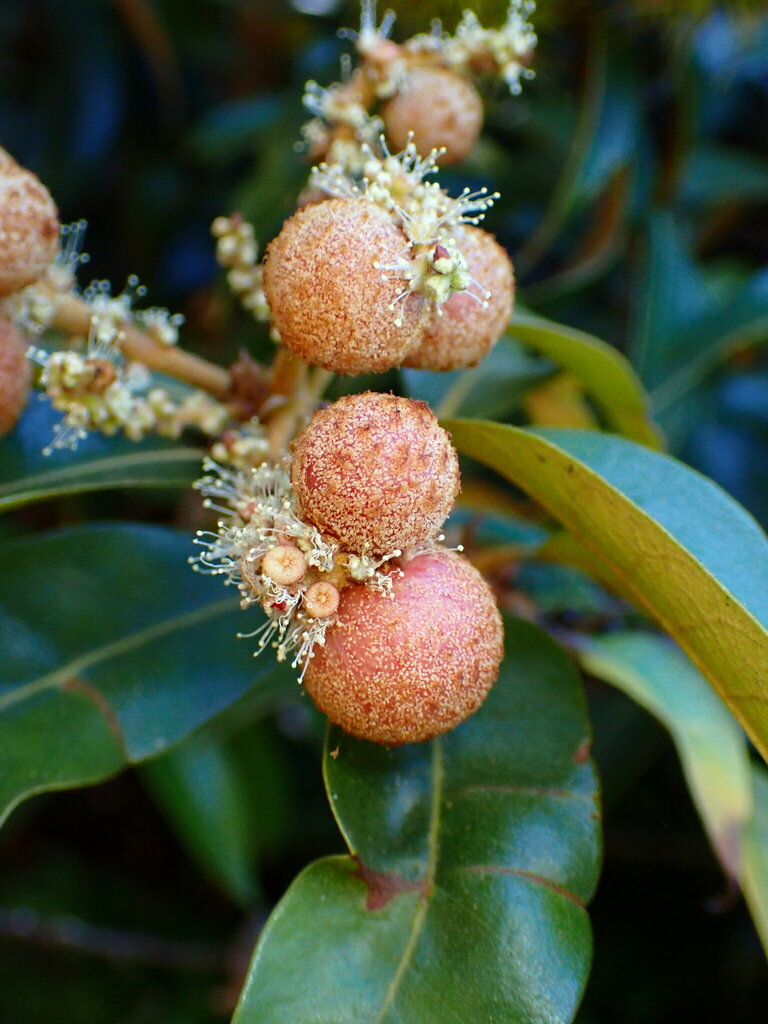
(c) Cricket Raspet, some rights reserved (CC BY) · licence
Family: Cynipidae · Class: Insecta · Order: Hymenoptera
Dryocosmus castanopsidis (Chinquapin Flower Gall Wasp) is a California animal in the Cynipidae family.
Dryocosmus castanopsidis, commonly known as the Chinquapin Flower Gall Wasp, is a member of the family Cynipidae, a group of wasps known for inducing plant galls. This small hymenopteran belongs to the order Hymenoptera, which includes wasps, bees, and ants. Like other cynipid wasps, D. castanopsidis is likely a minute insect, typically measuring only a few millimeters in length, with the characteristic body structure of gall wasps including a compact thorax and narrow waist. The species occurs in California, where it is associated with its host plants in the genus Castanopsis, commonly known as chinquapins. These evergreen trees and shrubs are native to the western United States and belong to the beech family (Fagaceae). The geographic distribution of D. castanopsidis likely corresponds to the range of its chinquapin hosts, which in California includes coastal and montane regions where these plants naturally occur. As indicated by its common name, this species induces galls specifically on the flowers of chinquapin plants. Gall wasps have evolved highly specialized relationships with their host plants, with each species typically associated with a particular plant genus or species and often targeting specific plant tissues. The flower galls created by D. castanopsidis provide both shelter and nutrition for developing larvae, representing a specialized example of insect-plant co-evolution. Like other cynipid wasps, D. castanopsidis likely has a complex life cycle that may involve alternating generations with different gall forms, though specific details of its biology remain poorly documented. Adult females use their ovipositors to insert eggs into flower tissues of chinquapin plants, along with chemical stimuli that induce gall formation. The developing larvae feed within these protective structures, which provide them with concentrated nutrients derived from the host plant's tissues. The conservation status of D. castanopsidis has not been formally evaluated by state or federal agencies, and it does not appear on current threatened or endangered species lists. However, like many specialized gall-forming insects, this species may face conservation challenges related to habitat loss and changes in host plant distribution. The chinquapin ecosystems of California have experienced pressure from development, fire suppression, and climate change, which could potentially impact populations of their associated gall wasps. Scientific documentation for this species remains extremely limited. The information presented here is based on general knowledge of cynipid wasp biology and the taxonomic placement of the species. Detailed studies of D. castanopsidis ecology, distribution, life cycle, and specific host plant relationships have not been well documented in readily accessible scientific literature. Additional field research and taxonomic work would significantly enhance understanding of this specialized California endemic.
Classification
Class: Insecta · Order: Hymenoptera · Family: Cynipidae
Frequently asked questions
How is Dryocosmus castanopsidis classified?
Dryocosmus castanopsidis belongs to class Insecta, order Hymenoptera, family Cynipidae.
What family does Dryocosmus castanopsidis belong to?
Dryocosmus castanopsidis is in the Cynipidae family.
What is Dryocosmus castanopsidis?
Dryocosmus castanopsidis, commonly known as the Chinquapin Flower Gall Wasp, is a member of the family Cynipidae, a group of wasps known for inducing plant galls.
Is Dryocosmus castanopsidis found in California?
Yes. Dryocosmus castanopsidis is recorded in California in The California Species Project's catalogue.
Related species
Other California species in the same genus, family, or bioregion.
Data from The California Species Project — 14,000+ California species with verified data from CNPS, CDFW, USFWS, and more.