Dubiraphia giulianii
Giuliani's Dubiraphian Riffle Beetle
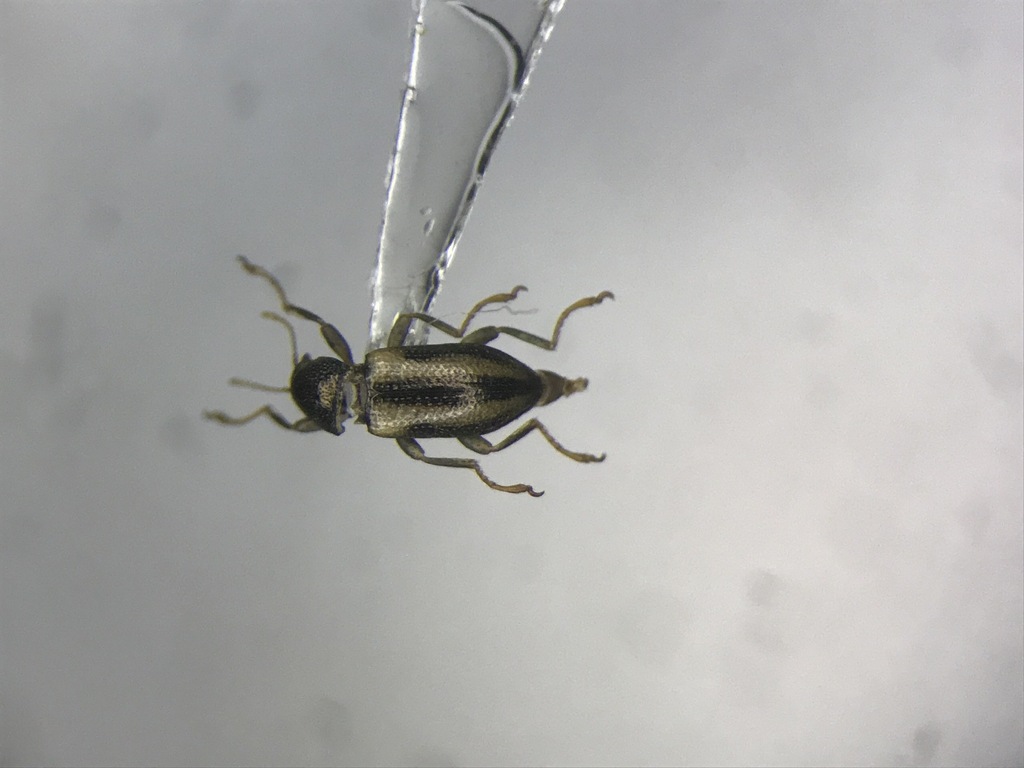
no rights reserved · CC0
Family: Elmidae · Class: Insecta · Order: Coleoptera
Conservation status: G1G3 S1S3
Dubiraphia giulianii (Giuliani's Dubiraphian Riffle Beetle) is a California animal in the Elmidae family.
Giuliani's dubiraphian riffle beetle is a small aquatic beetle in the family Elmidae, commonly known as riffle beetles. Adult riffle beetles typically measure 1-6 mm in length and possess a compact, oval body adapted for life in flowing water. The body is usually dark brown to black with a hardened exoskeleton that resists water damage. Like other elmids, this species has specialized claws and body modifications that allow it to cling to rocks and debris in swift-flowing streams. The species' range and specific distribution have not been well documented in available scientific literature. According to the U.S. Fish and Wildlife Service, Dubiraphia giulianii is currently classified as a Species of Concern, indicating that it may warrant federal protection but lacks sufficient data for formal listing (USFWS ECOS database, accessed December 2025). The global rank of G1G3 and state rank of S1S3 suggest this species has a very limited distribution with small population sizes, though specific location data remains unpublished. Riffle beetles in the genus Dubiraphia typically inhabit fast-flowing, well-oxygenated streams and rivers with rocky or cobble substrates. Adults are found clinging to submerged rocks, logs, and coarse organic matter in riffle areas where water flows rapidly over shallow sections of stream beds. These beetles require clean, unpolluted water with high dissolved oxygen levels. Larvae also develop in similar aquatic environments, feeding on algae and organic matter that accumulates on submerged surfaces. Both adult and larval stages of riffle beetles are aquatic, making them unusual among beetles. Adults breathe through a plastron - a thin layer of air trapped by specialized hairs on the body surface that functions as a physical gill. They feed primarily on algae, bacteria, and fine organic particles scraped from rock surfaces using specialized mouthparts. Reproduction typically involves females laying eggs on submerged substrates, with larvae developing through several instars before pupating in emergence chambers constructed on rocks just above the waterline. The conservation status of Giuliani's dubiraphian riffle beetle reflects the broader challenges facing freshwater insects in North America. Riffle beetles are particularly vulnerable to habitat degradation because they require specific water quality conditions and flow regimes. Primary threats to the genus include water pollution from agricultural runoff and urban development, habitat fragmentation from dam construction, altered flow patterns from water diversions, and sedimentation that can smother the rocky substrates essential for feeding and reproduction. Climate change poses additional risks through altered precipitation patterns and increased water temperatures that may exceed the species' tolerance limits. Specific population data and detailed ecological studies for this species are lacking in current scientific literature. The designation as a Species of Concern highlights the need for comprehensive surveys to determine distribution, population status, and specific habitat requirements. Without this fundamental biological information, effective conservation strategies cannot be developed. Further research is needed to assess whether federal protection under the Endangered Species Act may be warranted for this poorly known aquatic beetle.
Classification
Class: Insecta · Order: Coleoptera · Family: Elmidae
Conservation status
G1G3 S1S3
Frequently asked questions
How is Dubiraphia giulianii classified?
Dubiraphia giulianii belongs to class Insecta, order Coleoptera, family Elmidae.
What family does Dubiraphia giulianii belong to?
Dubiraphia giulianii is in the Elmidae family.
Is Dubiraphia giulianii protected or of conservation concern?
Dubiraphia giulianii carries the following status: G1G3 S1S3.
What is Dubiraphia giulianii?
Giuliani's dubiraphian riffle beetle is a small aquatic beetle in the family Elmidae, commonly known as riffle beetles.
Is Dubiraphia giulianii found in California?
Yes. Dubiraphia giulianii is recorded in California in The California Species Project's catalogue.
Related species
Other California species in the same genus, family, or bioregion.
Data from The California Species Project — 14,000+ California species with verified data from CNPS, CDFW, USFWS, and more.