Duponchelia fovealis
Exotic Greenhouse Invasive
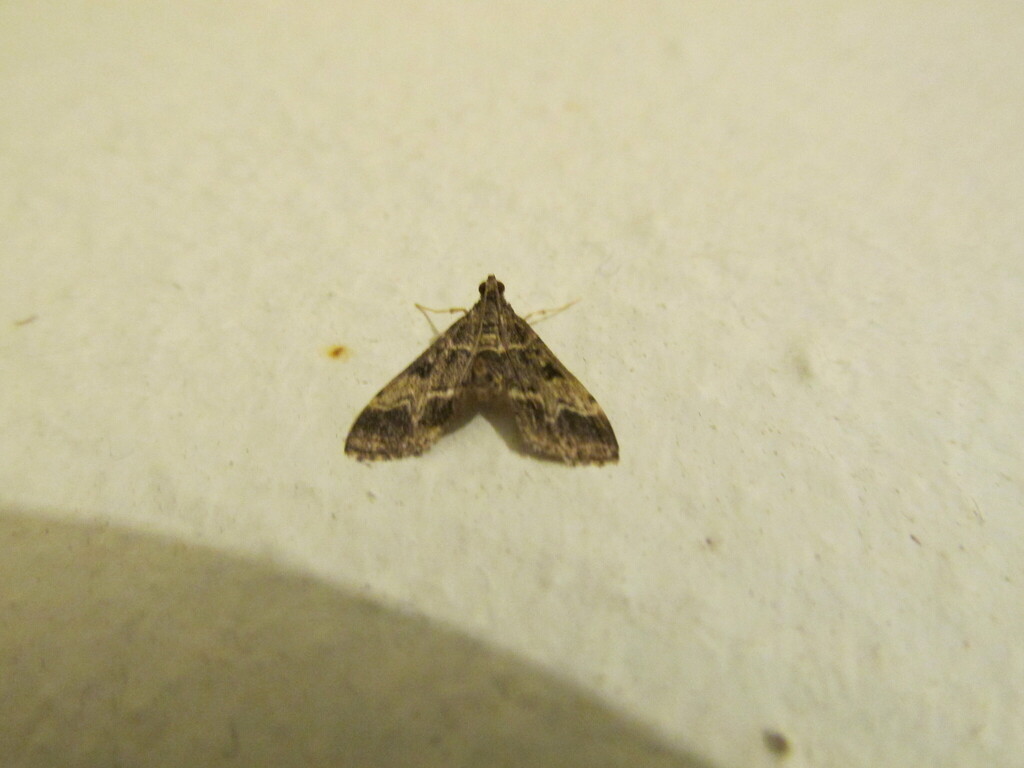
(c) zebedeugalinha, some rights reserved (CC BY) · licence
Family: Crambidae · Class: Insecta · Order: Lepidoptera
Duponchelia fovealis (Exotic Greenhouse Invasive) is a California animal in the Crambidae family.
Duponchelia fovealis, commonly known as the European pepper moth or greenhouse exotic moth, is a small invasive lepidopteran in the family Crambidae. Adult moths have a wingspan of 19-20 mm, with forewings displaying a distinctive pattern of brown and gray scales. The forewings feature a characteristic kidney-shaped marking and irregular crosslines, while the hindwings are pale grayish-white. Males can be distinguished from females by their more pronounced wing patterns and smaller size. Larvae are cream-colored with brown heads and can reach 18-20 mm in length when fully developed, displaying a semi-transparent body with visible internal structures. Native to Europe and the Mediterranean region, D. fovealis has become established as an invasive species in greenhouse facilities across North America, including California. The species was first detected in North American greenhouses in the early 2010s and has since spread to commercial growing operations throughout the United States. In California, populations have been documented in greenhouse facilities in multiple counties, particularly in areas with intensive ornamental plant production. This species thrives in controlled greenhouse environments where temperatures range from 18-25°C (64-77°F) and humidity levels remain elevated. D. fovealis shows a strong preference for soilless growing media, particularly peat moss, coconut coir, and vermiculite-based substrates. The moth is primarily associated with containerized ornamental plants and is rarely found in outdoor agricultural settings in temperate climates, though it may establish temporarily in warm, humid outdoor conditions. D. fovealis exhibits a rapid reproductive cycle under greenhouse conditions, completing development from egg to adult in approximately 6-8 weeks at optimal temperatures. Females lay small, oval eggs singly or in small clusters on plant surfaces or growing media. Larvae are the primary damaging stage, feeding on organic matter in potting soil, plant roots, and decaying plant material. They construct silk-lined tunnels in the growing medium and can cause significant damage to root systems of susceptible plants. Adults are primarily active during evening hours and are attracted to lights. The species can produce multiple overlapping generations per year in heated greenhouse facilities. While D. fovealis is not subject to state or federal conservation listings, it is regulated as an invasive pest species. The moth poses significant economic threats to greenhouse operations through direct plant damage and quarantine restrictions. Infested facilities may face regulatory action and trade limitations. Management strategies focus on prevention through inspection of incoming plant material, monitoring with pheromone traps, and integrated pest management approaches including biological control agents and targeted insecticide applications. Early detection and rapid response protocols are critical for preventing establishment in new facilities, as populations can increase rapidly under favorable greenhouse conditions.
Classification
Class: Insecta · Order: Lepidoptera · Family: Crambidae
Frequently asked questions
How is Duponchelia fovealis classified?
Duponchelia fovealis belongs to class Insecta, order Lepidoptera, family Crambidae.
What family does Duponchelia fovealis belong to?
Duponchelia fovealis is in the Crambidae family.
What is Duponchelia fovealis?
Duponchelia fovealis, commonly known as the European pepper moth or greenhouse exotic moth, is a small invasive lepidopteran in the family Crambidae.
Is Duponchelia fovealis found in California?
Yes. Duponchelia fovealis is recorded in California in The California Species Project's catalogue.
Related species
Other California species in the same genus, family, or bioregion.
Data from The California Species Project — 14,000+ California species with verified data from CNPS, CDFW, USFWS, and more.