Dysstroma mancipata
Mancipate Carpet Moth
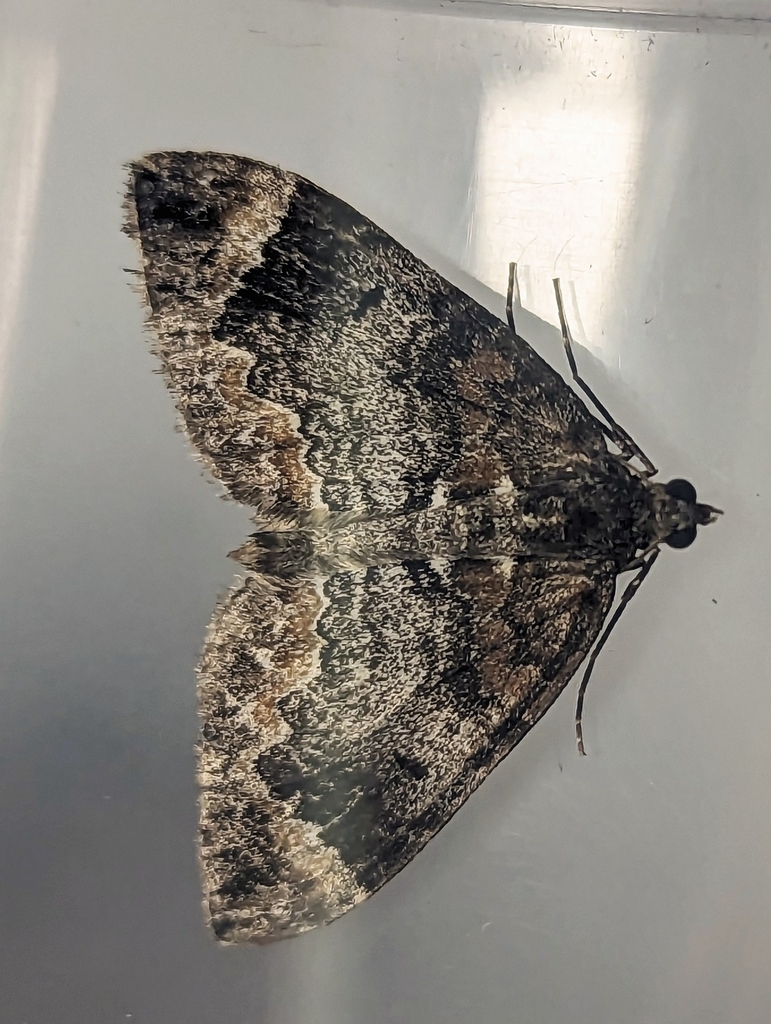
(c) J Castillo, some rights reserved (CC BY) · licence
Family: Geometridae · Class: Insecta · Order: Lepidoptera
Dysstroma mancipata (Mancipate Carpet Moth) is a California animal in the Geometridae family.
Dysstroma mancipata, commonly known as the Mancipate Carpet Moth, is a geometrid moth in the family Geometridae. This species belongs to a diverse group of moths characterized by their typically earth-toned wing patterns and distinctive flight behaviors. Adult Dysstroma mancipata displays the geometric patterns typical of carpet moths, with wings marked by subtle cross-lines and muted coloration that provides effective camouflage against bark and lichen substrates. The species occurs across western North America, with documented populations extending from California northward through the Pacific Northwest. In California, Dysstroma mancipata has been recorded from multiple counties including coastal and montane regions. The subspecies D. m. hulstata has been documented from various California localities, indicating potential geographic variation within the state (Peabody Museum records). Additional subspecies including D. m. decorata have been reported from western states, suggesting a complex of related forms across the species' range. Dysstroma mancipata inhabits forested environments where its larvae develop on native vegetation. The species shows a preference for areas supporting Fragaria species, with larvae documented feeding on Fragaria californica, representing the first successful rearing record for this host plant association (News of the Lepidopterists' Society 1989). This host plant relationship connects the moth to woodland and forest edge habitats where wild strawberry plants occur naturally. The species appears to favor elevations from near sea level to montane zones, based on collection records from diverse California localities. Larval development occurs on Fragaria californica, with the species completing metamorphosis from egg through pupation in association with this host plant. Adults emerge and are active during spring months, with records indicating flight periods extending from February through late spring. The species exhibits typical geometrid behavior, with adults attracted to light sources and displaying the characteristic looping locomotion of caterpillars that gives the family its common name of "inchworms" or "loopers." Seasonal activity patterns suggest this species may be univoltine, producing one generation per year. Currently, Dysstroma mancipata lacks formal conservation status designation at federal or state levels. The species appears to maintain stable populations across its known range, though comprehensive population surveys have not been conducted. Primary conservation considerations include habitat preservation, particularly the maintenance of native Fragaria populations that serve as essential larval host plants. Forest management practices that preserve understory vegetation and natural plant communities support both the moth and its host plant requirements. Climate change impacts on montane forest ecosystems may influence future distribution patterns, though specific vulnerability assessments have not been completed for this species. The discovery of successful larval development on Fragaria californica provides important ecological information for understanding the species' habitat requirements and potential conservation needs within California's diverse forest ecosystems.
Classification
Class: Insecta · Order: Lepidoptera · Family: Geometridae
Frequently asked questions
How is Dysstroma mancipata classified?
Dysstroma mancipata belongs to class Insecta, order Lepidoptera, family Geometridae.
What family does Dysstroma mancipata belong to?
Dysstroma mancipata is in the Geometridae family.
What is Dysstroma mancipata?
Dysstroma mancipata, commonly known as the Mancipate Carpet Moth, is a geometrid moth in the family Geometridae.
Is Dysstroma mancipata found in California?
Yes. Dysstroma mancipata is recorded in California in The California Species Project's catalogue.
Related species
Other California species in the same genus, family, or bioregion.
Data from The California Species Project — 14,000+ California species with verified data from CNPS, CDFW, USFWS, and more.