Eanus hatchi
Hatch’s click beetle
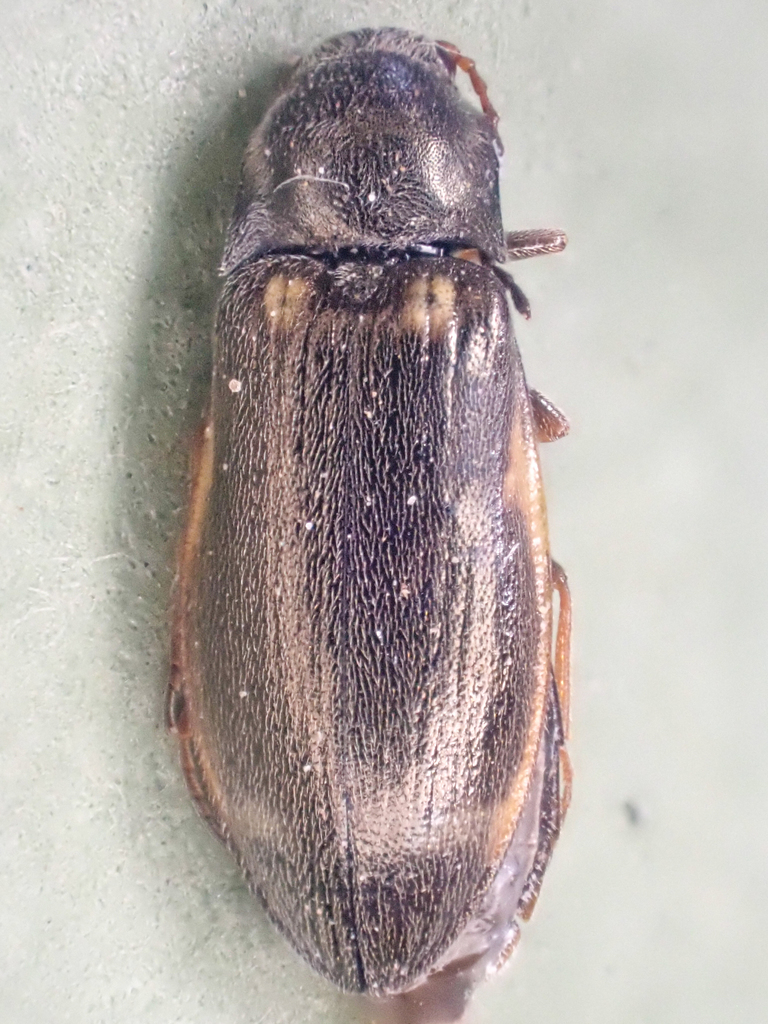
(c) Trevor Van Loon, some rights reserved (CC BY) · licence
Family: Elateridae · Class: Insecta · Order: Coleoptera
Eanus hatchi (Hatch’s click beetle) is a California animal in the Elateridae family.
Hatch's click beetle (Eanus hatchi) is a small elaterid beetle in the subfamily Dendrometrinae. The species belongs to the family Elateridae, commonly known as click beetles for their ability to snap their bodies to right themselves when overturned. Specific morphological details and body measurements for this species have not been well documented in the literature. Eanus hatchi is endemic to the Pacific Northwest, with confirmed populations in Washington state, particularly in the Puget Sound region. According to NatureServe, the species has a global conservation status of G1, indicating it is critically imperiled (NatureServe 2010). The species is also listed as strategic in Oregon. Historically documented sites in the Seattle area include Chase Lake and Carkeek Park, though the species may be extirpated from both locations due to habitat alteration and urban development. This beetle is a habitat specialist, occurring exclusively in Sphagnum bog ecosystems. The species requires the specialized conditions found in these acidic, nutrient-poor wetlands dominated by sphagnum moss species. Sphagnum bogs represent a rare and declining habitat type in the Pacific Northwest, making them critical for the persistence of bog-endemic species like E. hatchi. The microhabitat requirements within these bogs, such as specific moisture levels and plant community composition, remain poorly studied. As with many click beetle species, E. hatchi likely undergoes complete metamorphosis with egg, larval, pupal, and adult stages. The larvae probably develop within the bog substrate, though specific host plants, larval feeding habits, and development time are not documented. Adult activity patterns, mating behavior, and seasonal phenology require further study. The species is described as flight-capable, suggesting adults may be able to disperse between suitable bog habitats when present in the landscape. The conservation status of Hatch's click beetle reflects the vulnerability of both the species and its specialized habitat. Sphagnum bogs in the Puget Sound region have experienced significant losses due to urban and suburban development, agriculture, and hydrological modifications. The conversion and degradation of bog habitats represents the primary threat to this endemic beetle. Climate change may pose additional challenges through altered precipitation patterns and increased temperatures that could affect bog hydrology and plant communities. Despite being flight-capable, the species' apparent rarity may reflect both genuine scarcity and insufficient survey efforts. The existing description notes that springtime surveys of additional Sphagnum bogs in the region are needed to better understand the species' current distribution and population status. The specialized nature of bog habitats and the taxonomic expertise required for beetle identification may contribute to limited detection and documentation of this species. Targeted surveys during optimal collection periods would help clarify whether E. hatchi persists at historical sites and occurs at additional bog locations throughout its potential range.
Classification
Class: Insecta · Order: Coleoptera · Family: Elateridae
Frequently asked questions
How is Eanus hatchi classified?
Eanus hatchi belongs to class Insecta, order Coleoptera, family Elateridae.
What family does Eanus hatchi belong to?
Eanus hatchi is in the Elateridae family.
What is Eanus hatchi?
Hatch's click beetle (Eanus hatchi) is a small elaterid beetle in the subfamily Dendrometrinae.
Is Eanus hatchi found in California?
Yes. Eanus hatchi is recorded in California in The California Species Project's catalogue.
Related species
Other California species in the same genus, family, or bioregion.
Data from The California Species Project — 14,000+ California species with verified data from CNPS, CDFW, USFWS, and more.