Egira candida
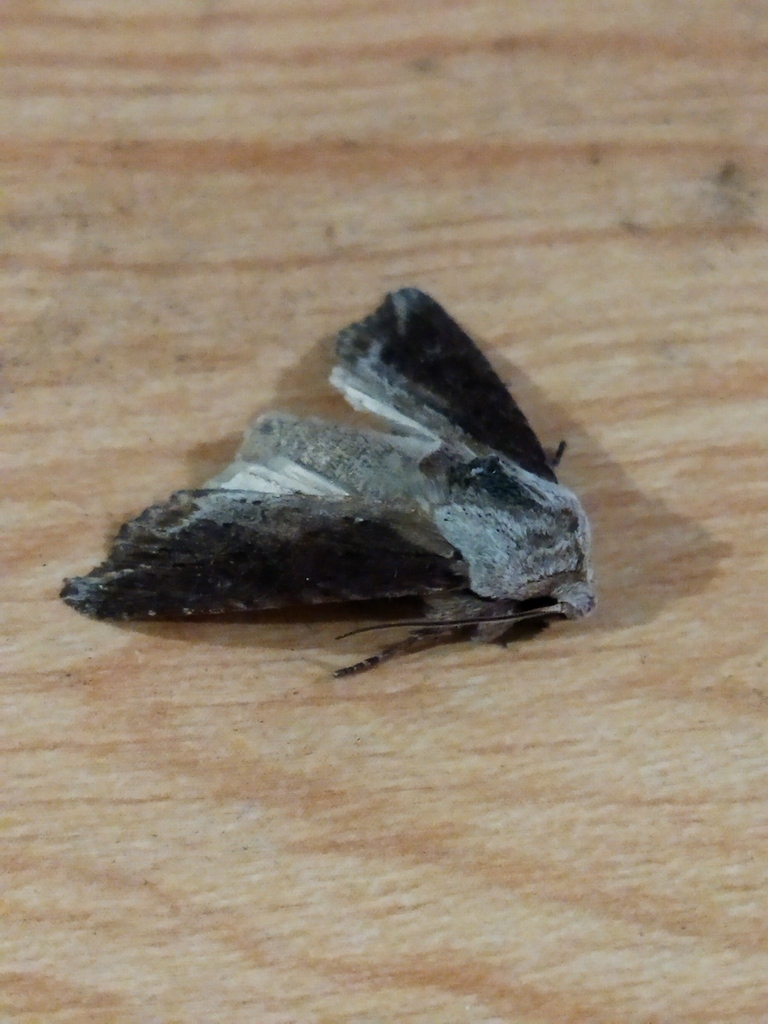
(c) SteveM4560, some rights reserved (CC BY) · licence
Family: Noctuidae · Class: Insecta · Order: Lepidoptera
Egira candida is a California animal in the Noctuidae family.
Egira candida is a moth species in the family Noctuidae, commonly known as the noctuid moths or owlet moths. This species belongs to the genus Egira, which comprises several North American noctuid species. Adult moths have a wingspan typically measuring 30-35 mm (1.2-1.4 inches), with forewings displaying a mottled pattern of gray, brown, and white scales that provides effective camouflage against tree bark and lichen-covered surfaces. The hindwings are typically lighter in coloration, ranging from pale gray to off-white. Egira candida occurs in western North America, with records from several western states including California. The species' distribution appears to be associated with forested regions, though specific range information remains limited in the scientific literature. In California, the species has been documented from scattered localities, though comprehensive distribution mapping has not been completed. The species inhabits forested environments, particularly areas with mixed coniferous and deciduous trees. Adults are typically found in woodland habitats where host plants are present. The moth shows a preference for areas with oak species, as caterpillars are associated with various oak trees (Quercus species). Elevation preferences and specific microhabitat requirements have not been thoroughly documented in available literature. Adult flight periods vary by location but typically occur during spring and early summer months. Like other Egira species, E. candida is nocturnal, with adults attracted to artificial lights during evening hours. The species exhibits a univoltine life cycle, producing one generation per year. Caterpillars feed on the foliage of oak species, developing through several instars before pupating. The larvae are typically green to brown in coloration, helping them blend with their host plant foliage. Overwintering likely occurs in the pupal stage, though specific developmental timing requires further study. The conservation status of Egira candida has not been formally assessed by federal or state agencies. The species is not currently listed under the Endangered Species Act, nor does it appear on California's list of species of special concern. Population trends are unknown due to limited survey data and the secretive nature of the species. Primary potential threats may include habitat loss from forest conversion and fragmentation, though the extent of these impacts on E. candida populations has not been evaluated. Oak woodland degradation and urbanization in suitable habitat areas could pose risks to local populations. Climate change effects on oak forest ecosystems may indirectly affect this species through alterations to host plant phenology and distribution. Further research is needed to assess population status, specific habitat requirements, and potential conservation needs for this poorly known moth species.
Classification
Class: Insecta · Order: Lepidoptera · Family: Noctuidae
Frequently asked questions
How is Egira candida classified?
Egira candida belongs to class Insecta, order Lepidoptera, family Noctuidae.
What family does Egira candida belong to?
Egira candida is in the Noctuidae family.
What is Egira candida?
Egira candida is a moth species in the family Noctuidae, commonly known as the noctuid moths or owlet moths.
Is Egira candida found in California?
Yes. Egira candida is recorded in California in The California Species Project's catalogue.
Related species
Other California species in the same genus, family, or bioregion.
Data from The California Species Project — 14,000+ California species with verified data from CNPS, CDFW, USFWS, and more.