Egira crucialis
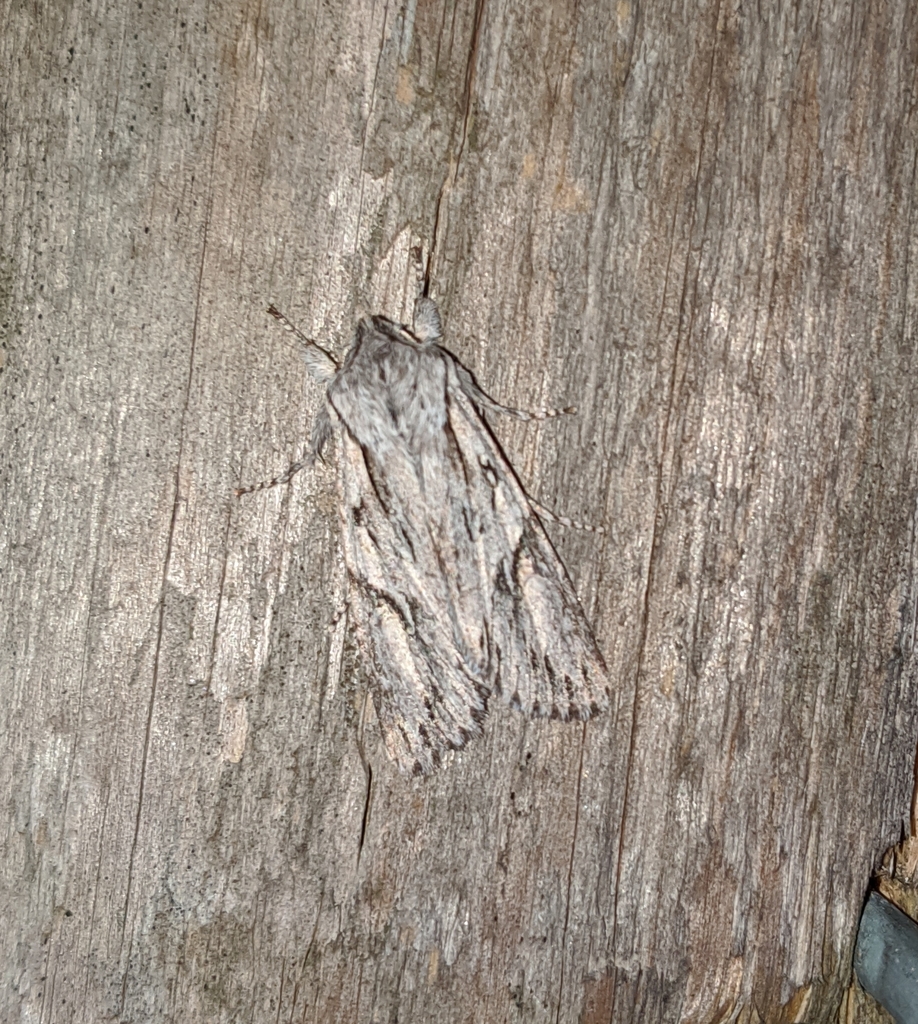
no rights reserved · CC0
Family: Noctuidae · Class: Insecta · Order: Lepidoptera
Egira crucialis is a California animal in the Noctuidae family.
Egira crucialis is a nocturnal moth species in the family Noctuidae, commonly known as owlet moths or cutworm moths. This species belongs to the genus Egira, which comprises medium-sized moths characterized by cryptic coloration and nocturnal habits. Adults typically measure 35 to 45 mm in wingspan, with forewings displaying mottled brown and gray patterns that provide effective camouflage against tree bark and dead vegetation. The forewings feature distinctive cross-lines and reniform spots characteristic of many Noctuidae species, while the hindwings are typically paler with reduced markings. The range and distribution of Egira crucialis remain poorly documented in the scientific literature. Limited records suggest the species may occur in western North America, potentially including California, though specific distributional data are lacking. The paucity of occurrence records may reflect either genuine rarity or insufficient survey effort, as many noctuid moths are underrepresented in collections due to their cryptic appearance and nocturnal activity patterns. Habitat preferences for Egira crucialis are not well-established based on available literature. Related species in the genus Egira typically inhabit forested environments, including mixed coniferous and deciduous woodlands. These moths are often associated with areas containing their larval host plants, which may include various deciduous trees and shrubs. Adults are attracted to artificial lights and sugar baits, suggesting they are active nectar feeders during nighttime hours. The life cycle and ecological behavior of Egira crucialis follow the typical pattern of Noctuidae moths. Adults likely emerge in spring or early summer, with peak flight periods varying by geographic location and elevation. Mating occurs during nighttime hours, with females subsequently depositing eggs on or near host plants. Larvae develop through multiple instars, feeding on foliage of host plants before pupating in soil or leaf litter. The species is presumed to be univoltine, producing one generation per year, though this has not been definitively established. Larval host plants for Egira crucialis have not been conclusively identified through direct observation or rearing studies. Based on host plant associations of related Egira species, larvae may feed on various deciduous trees including willows, alders, birches, or other broadleaf species common in montane or riparian habitats. The conservation status of Egira crucialis is uncertain due to limited distributional and population data. The species does not appear on federal or state endangered species lists, suggesting it may not face immediate extinction risk. However, the lack of recent records and taxonomic uncertainty surrounding some Egira species complicates conservation assessment. Potential threats to noctuid moths include habitat loss from development, forest management practices, light pollution that disrupts natural behavior patterns, and climate change impacts on host plant availability and phenology. Additional survey work and taxonomic research are needed to clarify the species' distribution, abundance, and conservation needs.
Classification
Class: Insecta · Order: Lepidoptera · Family: Noctuidae
Frequently asked questions
How is Egira crucialis classified?
Egira crucialis belongs to class Insecta, order Lepidoptera, family Noctuidae.
What family does Egira crucialis belong to?
Egira crucialis is in the Noctuidae family.
What is Egira crucialis?
Egira crucialis is a nocturnal moth species in the family Noctuidae, commonly known as owlet moths or cutworm moths.
Is Egira crucialis found in California?
Yes. Egira crucialis is recorded in California in The California Species Project's catalogue.
Related species
Other California species in the same genus, family, or bioregion.
Data from The California Species Project — 14,000+ California species with verified data from CNPS, CDFW, USFWS, and more.