Eidophasia dammersi
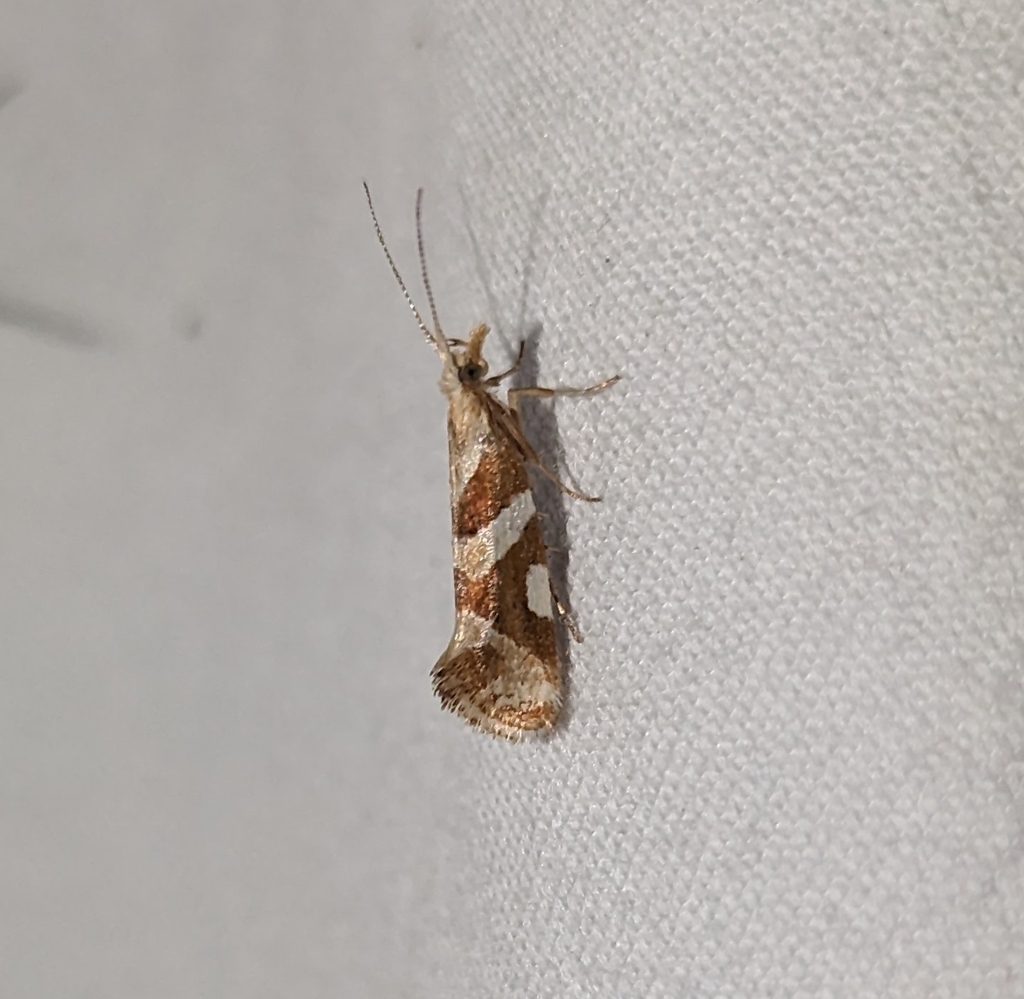
no rights reserved · CC0
Family: Plutellidae · Class: Insecta · Order: Lepidoptera
Eidophasia dammersi is a California animal in the Plutellidae family.
Eidophasia dammersi is a small moth in the family Plutellidae, a group commonly known as diamondback moths. This species represents one of the lesser-documented microlepidoptera found in California, with limited available information regarding its basic biology and ecology. Physical descriptions of E. dammersi are not well-established in the scientific literature. Like other members of the Plutellidae family, this species likely exhibits the characteristic small size typical of micromoths, with wingspans generally ranging from 10 to 15 millimeters. Plutellid moths typically display narrow forewings with distinctive wing venation patterns and relatively simple coloration, though specific morphological details for E. dammersi have not been comprehensively documented. The geographic range and distribution of Eidophasia dammersi remain poorly defined. Based on available taxonomic records, the species appears to be associated with California, though the extent of its distribution within the state and any potential occurrence in adjacent regions requires further investigation. The lack of comprehensive surveys for microlepidoptera in many areas contributes to uncertainty regarding the species' true range. Habitat requirements and preferences for E. dammersi are not well-documented in current literature. Members of the Plutellidae family typically inhabit diverse terrestrial environments and are often associated with specific host plants during their larval stage. The ecological niche occupied by this species, including elevation range, vegetation associations, and microhabitat preferences, remains largely unknown. Behavioral and ecological information for Eidophasia dammersi is extremely limited. Plutellid moths generally exhibit typical lepidopteran life cycles, with complete metamorphosis through egg, larval, pupal, and adult stages. Most species in this family have larvae that feed on plant material, often showing host plant specificity. Flight periods, reproductive behavior, and seasonal activity patterns for E. dammersi have not been established. The species' role in local ecosystems, including its interactions with host plants and natural enemies, requires investigation. The conservation status of Eidophasia dammersi is not formally assessed at federal, state, or international levels. The species lacks formal listing under the Endangered Species Act or California Endangered Species Act. Without comprehensive population data, distribution mapping, or threat assessment, the conservation needs of this species remain unknown. The limited available information highlights the broader challenge of documenting and conserving California's diverse microlepidoptera fauna, many of which remain poorly studied despite potentially facing habitat loss and other anthropogenic pressures. Further research is needed to establish basic biological parameters, distribution patterns, and conservation requirements for E. dammersi and related micromoths in California.
Classification
Class: Insecta · Order: Lepidoptera · Family: Plutellidae
Frequently asked questions
How is Eidophasia dammersi classified?
Eidophasia dammersi belongs to class Insecta, order Lepidoptera, family Plutellidae.
What family does Eidophasia dammersi belong to?
Eidophasia dammersi is in the Plutellidae family.
What is Eidophasia dammersi?
Eidophasia dammersi is a small moth in the family Plutellidae, a group commonly known as diamondback moths.
Is Eidophasia dammersi found in California?
Yes. Eidophasia dammersi is recorded in California in The California Species Project's catalogue.
Related species
Other California species in the same genus, family, or bioregion.
Data from The California Species Project — 14,000+ California species with verified data from CNPS, CDFW, USFWS, and more.