Eidophasia vanella
Eidophasia Moth
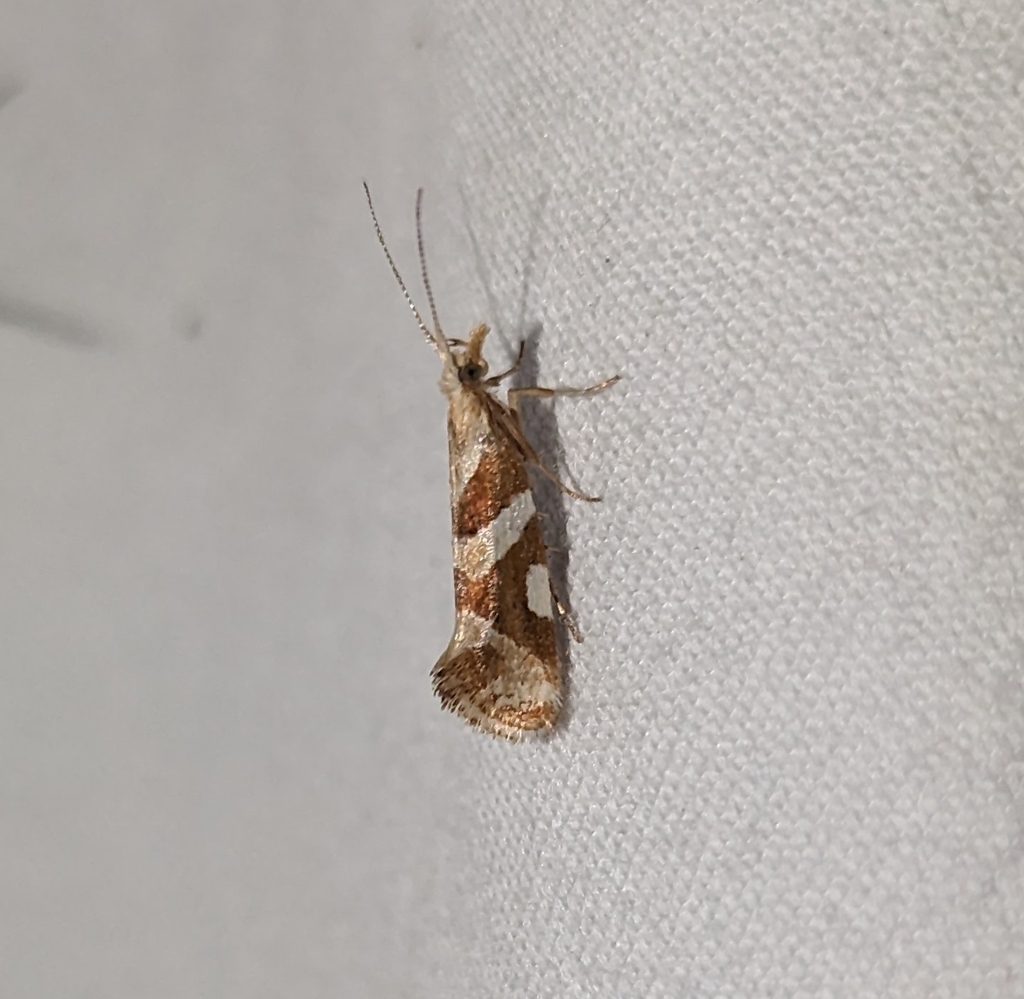
no rights reserved · CC0
Family: Plutellidae · Class: Insecta · Order: Lepidoptera
Eidophasia vanella (Eidophasia Moth) is a California animal in the Plutellidae family.
Eidophasia vanella, commonly known as the Eidophasia Moth, is a small microlepidopteran species belonging to the family Plutellidae, commonly known as diamondback moths. This moth is distinguished by its placement within the genus Eidophasia, which comprises several closely related species found across North America. The species is catalogued as Hodges#2365 in the standard North American moth classification system (BugGuide). The species exhibits a broad distribution across western North America, ranging from Alberta, Canada, south through the western United States to California. This extensive north-south range indicates the species' adaptability to diverse climatic conditions across multiple biogeographic regions. Within California, Eidophasia vanella occurs in various habitats, though specific elevational preferences and microhabitat requirements have not been comprehensively documented in the scientific literature. As a member of the Plutellidae family, Eidophasia vanella shares morphological characteristics typical of diamondback moths, including small size and narrow forewings. Adult moths likely possess the characteristic wing pattern and coloration found in related Eidophasia species, though detailed morphological descriptions specific to this species remain limited in accessible literature. The wingspan and other precise measurements have not been well documented in current scientific sources. The habitat requirements for Eidophasia vanella remain poorly characterized, reflecting the limited ecological research conducted on many microlepidopteran species. Given its broad geographic range from Alberta to California, the species likely inhabits multiple vegetation communities and ecological zones. The moth's occurrence across such diverse latitudes suggests tolerance for various temperature regimes and seasonal patterns, from the boreal and montane forests of Alberta to the Mediterranean and desert climates of California. Ecological information regarding Eidophasia vanella's life history, host plant associations, and seasonal activity patterns is notably scarce in the scientific literature. The larval feeding ecology, which is critical for understanding the species' habitat requirements and conservation needs, has not been documented in available sources. Adult flight periods, mating behaviors, and reproductive strategies similarly lack detailed documentation, representing significant knowledge gaps for this species. Eidophasia vanella currently lacks formal conservation status designations at both federal and state levels. The species does not appear on the U.S. Fish and Wildlife Service's list of threatened or endangered species, nor does it hold special status under California's endangered species regulations. However, the absence of conservation status may reflect insufficient data rather than species security, as many microlepidopteran species remain understudied regarding population trends and conservation needs. The paucity of ecological and biological information for Eidophasia vanella exemplifies the research challenges facing many microlepidopteran species. Despite its broad geographic distribution, fundamental aspects of the species' biology, including host plant relationships, habitat specificity, and population dynamics, require further investigation. This knowledge gap limits our ability to assess potential conservation concerns or develop appropriate management strategies should they become necessary. Continued taxonomic and ecological research on this and related Eidophasia species would contribute valuable information to our understanding of North American microlepidopteran diversity and conservation.
Classification
Class: Insecta · Order: Lepidoptera · Family: Plutellidae
Frequently asked questions
How is Eidophasia vanella classified?
Eidophasia vanella belongs to class Insecta, order Lepidoptera, family Plutellidae.
What family does Eidophasia vanella belong to?
Eidophasia vanella is in the Plutellidae family.
What is Eidophasia vanella?
Eidophasia vanella, commonly known as the Eidophasia Moth, is a small microlepidopteran species belonging to the family Plutellidae, commonly known as diamondback moths.
Is Eidophasia vanella found in California?
Yes. Eidophasia vanella is recorded in California in The California Species Project's catalogue.
Related species
Other California species in the same genus, family, or bioregion.
Data from The California Species Project — 14,000+ California species with verified data from CNPS, CDFW, USFWS, and more.